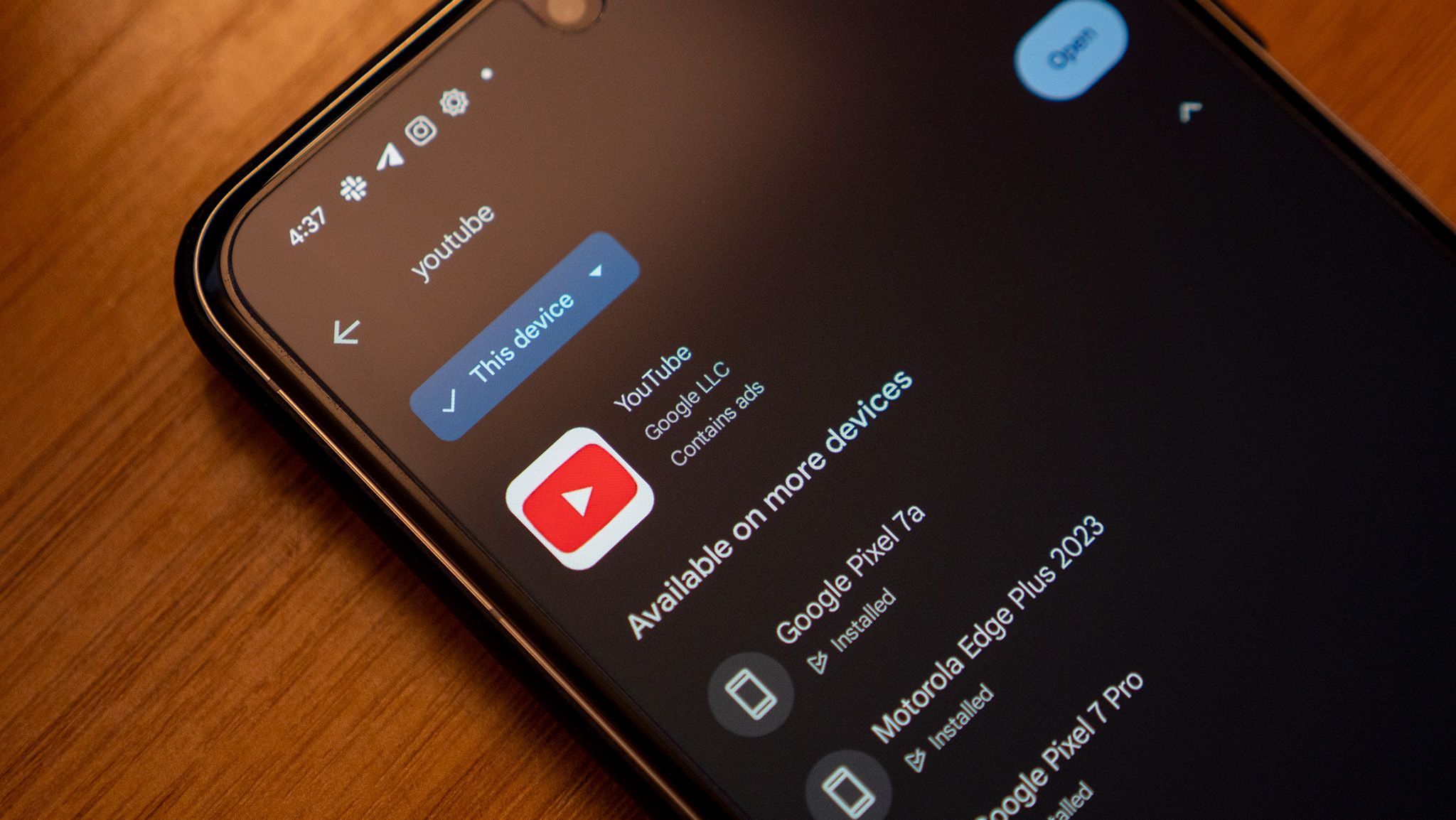
Reddit users have reported YouTube videos intermittently showing a 'Comments are turned off' message across multiple browsers (Chrome, Brave, Edge, Opera GX), with comments typically returning after a page refresh; several reports link the issue to adblocker usage. The behavior is being interpreted as a potential anti‑adblock tactic in YouTube’s ongoing efforts to deter adblockers, posing a user‑experience and engagement risk that could marginally affect ad monetization trends but is unlikely to have material market impact.
Market structure: This behavior (comments hidden when adblockers detected) benefits large walled gardens that can force monetization levers — primarily Alphabet (YouTube/GOOG) — by nudging users to disable blockers or buy YouTube Premium; estimate potential incremental ARPU lift of 1–3% over 6–12 months if even 2–5% of active adblock users convert. Losers are browser-focused ad-block extensions and ad-funded publishers that rely on unobstructed UX; mid-cap ad-dependent media (Roku, smaller adtech) face higher churn risk if UX degrades.
Risk assessment: Tail risks include regulatory action (FTC/EU DMA antitrust or consumer-protection fines) and major browser vendor pushes (Brave/Opera adding countermeasures) that could force policy reversals; assign a 5–15% probability of a materially adverse regulatory outcome within 12 months. Immediate noise (days) likely causes low-volume sentiment moves; short-term (weeks/months) sees ad RPM shifts ±5–10%; long-term (quarters) outcome depends on subscription conversion and regulatory precedent.
Trade implications: Favor concentrated, time-boxed exposure to Alphabet (GOOG) to capture monetization optionality while hedging regulatory risk: use 6–12 month call spreads 10–15% OTM sized 1.5–3% of portfolio. Pair trade: long GOOG (2–3%) / short ROKU (1–2%) using 1–3 month put spread on ROKU (10–20% OTM) to express relative ad-revenue resilience. Keep cash to reallocate on regulatory triggers in next 30–90 days.
Contrarian angles: Consensus treats this as a minor UX bug; the market understates structural upside to platform subscription ARPU if platforms persistently degrade adblock usefulness — a 2–5% ARPU pickup is plausible and underpriced. Conversely, a landmark regulatory ruling would be binary and over-penalize peers; size positions with clear stop-loss rules (20% for equities, defined losses for spreads).
AI-powered research, real-time alerts, and portfolio analytics for institutional investors.
Request DemoOverall Sentiment
neutral
Sentiment Score
0.00
Ticker Sentiment
