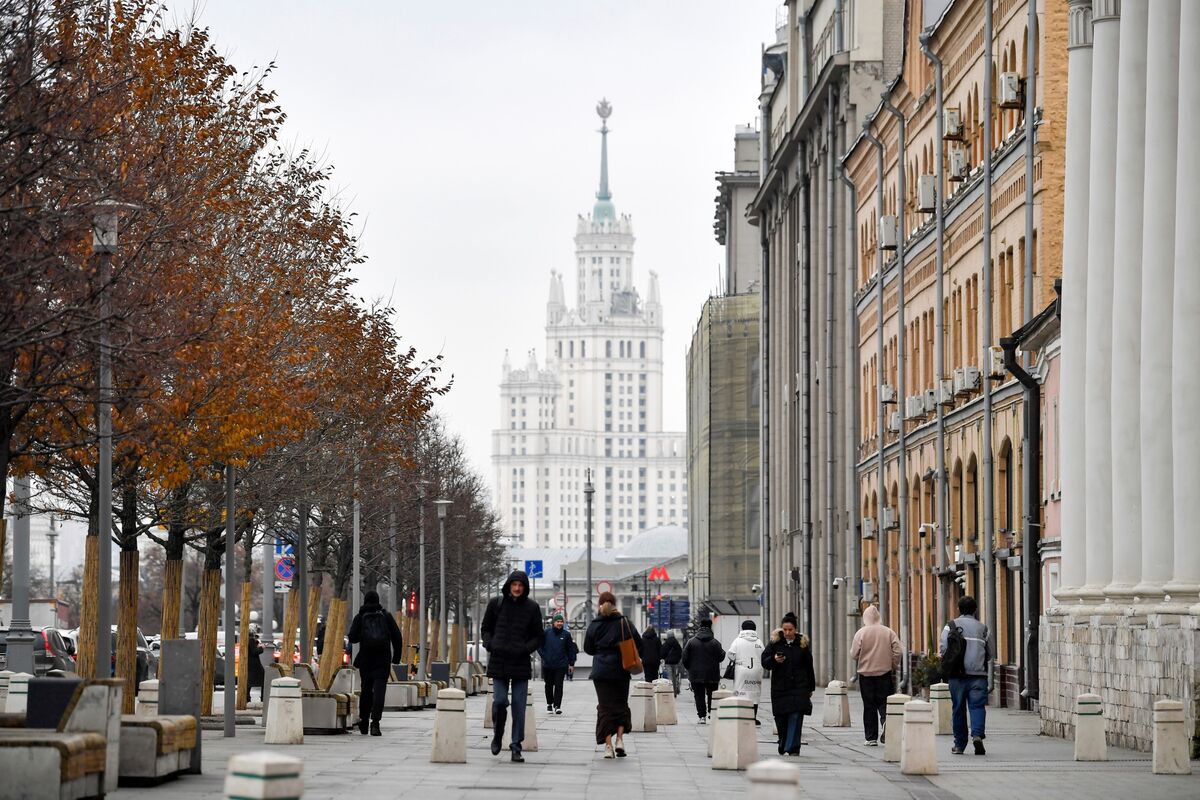
As the conflict in Ukraine enters a fourth winter, Russians are increasingly experiencing economic pain as drones and missiles strike energy sites and residential buildings across central and southern Russia, prompting nightly air-raid sirens and heightened disruption to daily life. Damage to energy infrastructure and encroachment of hostilities into populated and industrial regions raise the risk of localized supply disruptions, weaker domestic consumption, and elevated risk premia for Russian assets. Hedge funds should monitor potential spillovers into global energy markets, emerging-market risk sentiment, and any escalation that could widen sanctions or further impair domestic infrastructure and economic activity.
Market structure: The encroachment of kinetic risk into Russian energy and population centers strengthens pricing power for global energy suppliers and defense contractors while compressing Russian household consumption and real-estate demand. Expect upward pressure and volatility in hydrocarbon spot and winter-forward curves (10–30% swing risk into Q1), weaker ruble, and higher sovereign bond spreads; European gas basis volatility will amplify counterparty and working-capital stress for utilities.
Risk assessment: Tail scenarios include material disruption to Russian exports (20–40% flow loss) or expanded sanctions that force EU buyers to replace volumes within 1–3 months, generating 30%+ spikes in regional gas and 15–25% oil upside; alternatively fast de-escalation would normalize markets. Hidden dependencies: banking correspondent limits, insurance withdrawal on tankers, and logistics chokepoints that can amplify price moves absent headline intensity.
Trade implications: Tactical winners are Western defense primes (LMT, RTX) and commodity/energy producers; losers are Russian assets (RSX), EM consumer names, and regional real estate. Cross-asset, buy protection in CEEMEA credit and favor FX positions long USD vs RUB; options trade volatility in energy and EM equity puts for asymmetric payoffs over 1–6 months.
Contrarian: Consensus may overprice permanent loss of Russian energy — infrastructure repair and alternative routes can restore meaningful flows over 6–12 months, capping long-term commodity upside. Look for idiosyncratic mispricings: high-quality European utilities with hedged gas exposure may be oversold and offer mean-reversion in 3–9 months if winter is milder than feared.
AI-powered research, real-time alerts, and portfolio analytics for institutional investors.
Request DemoOverall Sentiment
strongly negative
Sentiment Score
-0.65
