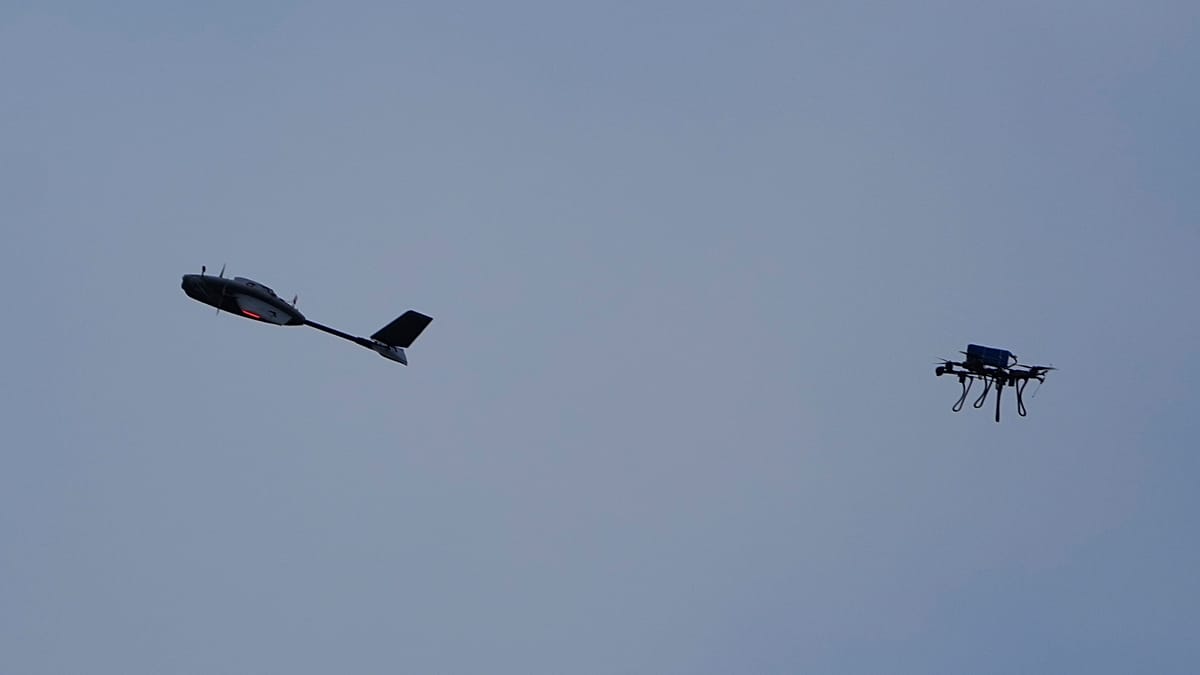
A drone struck the chimney of Estonia's Auvere power plant (operated by Enefit Power) and another unmanned aerial vehicle crashed in southeastern Latvia; officials linked the incidents to Russia’s war in Ukraine and prosecutors have opened investigations. Latvian authorities reported no injuries or damage and recovered wreckage, while Latvia's prime minister said the drone that fell may have been Ukrainian. The events increase regional geopolitical risk and highlight localized energy-infrastructure vulnerability, which could modestly lift risk premia for Baltic energy and defense-related exposures.
This incident is a high-conviction microshock to regional security economics rather than a standalone market-moving event: expect a discrete uptick in short-term risk premia for Baltic infrastructure (insurance, power-plant O&M, port throughput) over the next days–weeks as underwriters reprice tail risk and shippers re-route cargo to avoid exposed corridors. That re-routing will produce measurable volume shifts through Polish and Finnish ports (Gdansk, Hanko) within 1–3 months, increasing transshipment fees and truck/rail demand on those corridors and compressing margins for Baltic-focused terminals.
Procurement dynamics shift on a 3–12 month cadence: small-scale but urgent buys of counter-UAV, medium-range air defense and coastal surveillance systems are the likeliest outcome — historically this pattern boosts award visibility for prime defense contractors and specialty avionics/sensor suppliers, not commodity producers. Order timing matters: initial buys are often emergency buys (6–9 months lead) followed by larger multi-year programs (12–36 months) that materially expand backlog and justify re-rating if wins are confirmed.
Energy-secondaries matter: even minor strikes near cross-border plants lift the premium for backup capacity and LNG-term contracting in Northern Europe; marginal European gas buyers accelerate contracting windows for 3–12 month cargoes and storage injections, which favors liquid LNG sellers and short-term charter markets. Legal/sovereign risk is a slow burn — criminal investigations and diplomatic protests increase policy uncertainty and the probability of NATO operational posturing over 6–18 months, but a rapid de-escalation narrative (misidentification or clear attribution to non-state actors) could unwind a lot of the repricing within days.
Tail risks concentrate in two directions: a) escalation that prompts NATO kinetic responses would catalyze large, multi-quarter defense outlays and risk-on in defense equities; b) reputational/insurance cascades that materially raise operating costs for Baltic utilities and ports would compress regional infrastructure multiples for many quarters. Watch confirmation flow and procurement announcements over the next 30–90 days as key catalysts that validate either path.
AI-powered research, real-time alerts, and portfolio analytics for institutional investors.
Request DemoOverall Sentiment
mildly negative
Sentiment Score
-0.35
