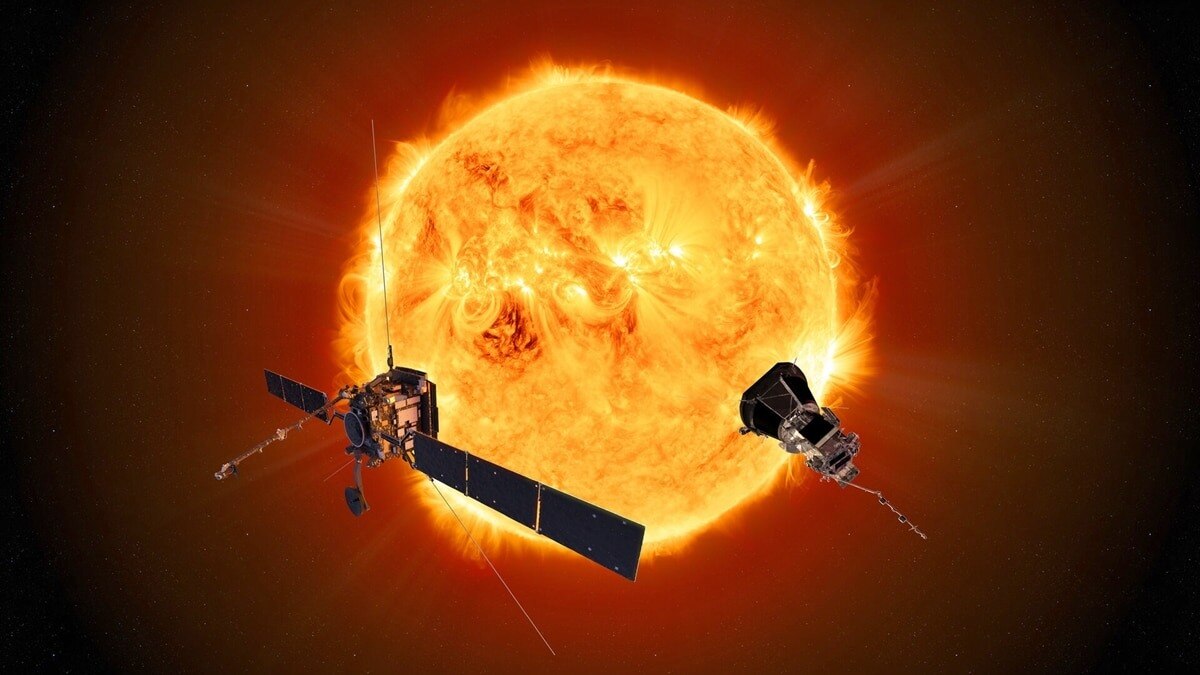
An X-class solar flare caused a shortwave radio blackout across the sunlit side of Earth, with disruption typically lasting minutes to an hour. The immediate impact is mainly on high-frequency radio users such as pilots, sailors, emergency services, and amateur operators, while a follow-on coronal mass ejection could create geomagnetic storms 1 to 3 days later. Potential secondary risks include satellite, GPS, and power-grid disruption, but the article notes no such escalation yet.
This is a near-term communications and navigation stress test, not a balance-sheet event. The first-order damage is limited to HF/shortwave-dependent users, but the second-order risk is that repeated flare activity can create a clustering effect on satellite operators, aviation, maritime logistics, and high-reliability infrastructure that rely on ionospheric stability and timing signals. The market usually underprices these episodes because the visible disruption is brief; the real exposure is to operational slippage, rerouting costs, and elevated maintenance/insurance assumptions if the Sun stays active for weeks rather than a single day.
The highest beta beneficiaries are firms selling resilience rather than bandwidth: satellite hardening, terrestrial backup, and GPS-independent positioning/communications. Aerospace and defense names with space-domain electronics content can see a small sentiment tailwind, while pure-play satellite operators face a more nuanced setup because investor attention shifts from revenue growth to uptime and replacement capex. Utilities and grid-exposed infrastructure are not the immediate story today, but a CME follow-through would extend the trade from nuisance to genuine outage risk over a 1-3 day horizon, which is when options markets tend to reprice fastest.
Consensus is likely to dismiss this as non-investable noise, but that misses the convexity. The underappreciated issue is timing: if multiple flares hit during a period of already stressed satellite launches, GPS precision, or military communications testing, even short disruptions can force inventory, routing, and contingency spend upward. That makes the right expression a cheap, event-driven hedge rather than a directional macro bet, with the edge in owning asymmetry before confirmation of geomagnetic escalation rather than after the headline hits.
AI-powered research, real-time alerts, and portfolio analytics for institutional investors.
Request TrialOverall Sentiment
neutral
Sentiment Score
-0.10
