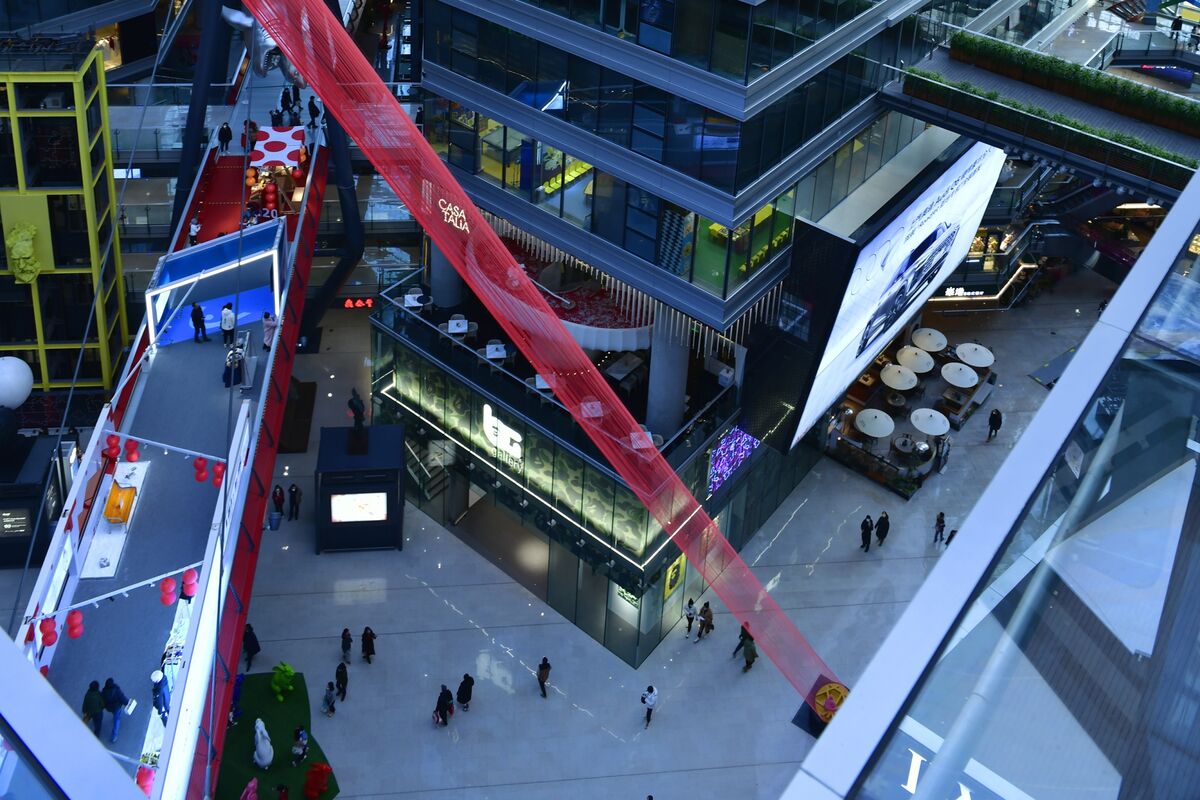
Hong Kong developer Parkview Group Ltd. is seeking a three-month extension on a $940 million loan due August 15, aiming to secure more time for refinancing negotiations with banks. This loan, backed by the Parkview Green complex in Beijing, highlights potential liquidity pressures facing the developer.
Hong Kong developer Parkview Group Ltd. is facing imminent liquidity pressure, as evidenced by its request for a three-month extension on a substantial $940 million loan due August 15. The need for this extension signals that refinancing negotiations with its banking syndicate are proving difficult and have not concluded within the expected timeframe. The loan's collateral, the prime Parkview Green complex in Beijing, suggests that even high-quality assets may not guarantee smooth access to credit in the current environment. This development serves as a negative data point for the company's fundamental health and highlights potential stress in the regional credit markets for commercial real estate, reflecting an uncertain and moderately negative outlook.
AI-powered research, real-time alerts, and portfolio analytics for institutional investors.
Request DemoOverall Sentiment
moderately negative
Sentiment Score
-0.60
