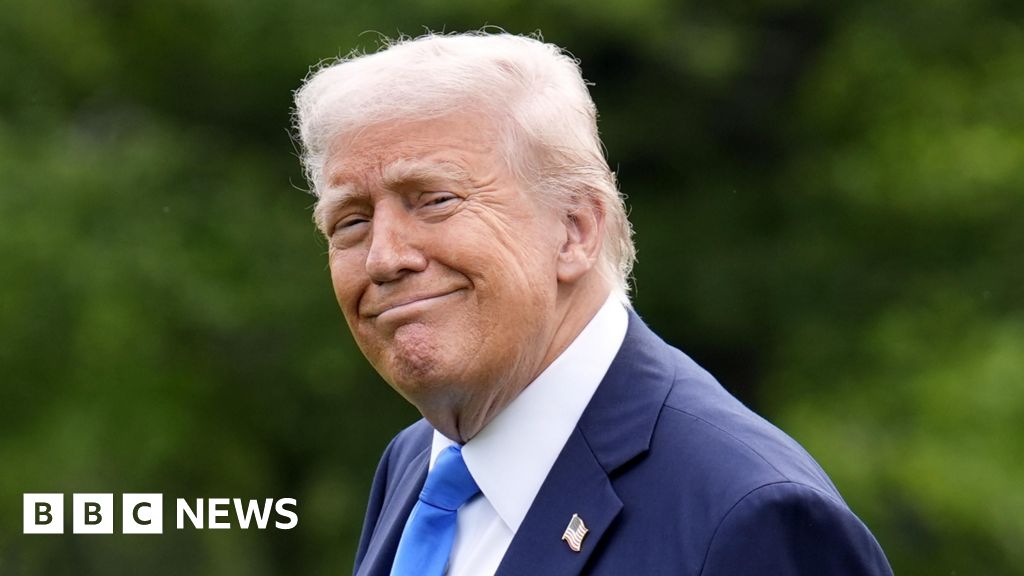
Donald Trump has reiterated his threat to impose a 100% tariff on non-US made movies, citing a "stolen" American film industry and broader tariff announcements. This proposal raises significant questions from analysts regarding its feasibility, the definition of "US-made" content, and potential for increased costs for consumers and streaming services, especially as US production spending fell 26% since 2022 due to global incentives. Despite these concerns, market reaction was muted, with major entertainment stocks quickly recovering, indicating investors currently perceive the threat as less immediate.
Donald Trump's renewed threat to impose a 100% tariff on movies produced outside the U.S. introduces significant policy uncertainty for the media and entertainment sector. While the announcement aligns with a broader protectionist stance, its feasibility is questionable, with analysts highlighting the difficulty of defining a 'US-made' movie and applying tariffs to intellectual property. The market's reaction, with stocks like Netflix (NFLX) and Disney (DIS) experiencing only a brief dip before recovering, indicates that investors currently perceive a low probability of implementation. However, the context for this threat is a real industry shift: U.S. production spending fell 26% to $14.54 billion since 2022 as productions are increasingly lured overseas by financial incentives. If enacted, such a tariff would likely force studios to pass on higher production costs to consumers, potentially dampening demand for streaming services and cinema operators, thereby impacting top-line growth and margins for major content producers.
AI-powered research, real-time alerts, and portfolio analytics for institutional investors.
Overall Sentiment
moderately negative
Sentiment Score
-0.50
Ticker Sentiment
