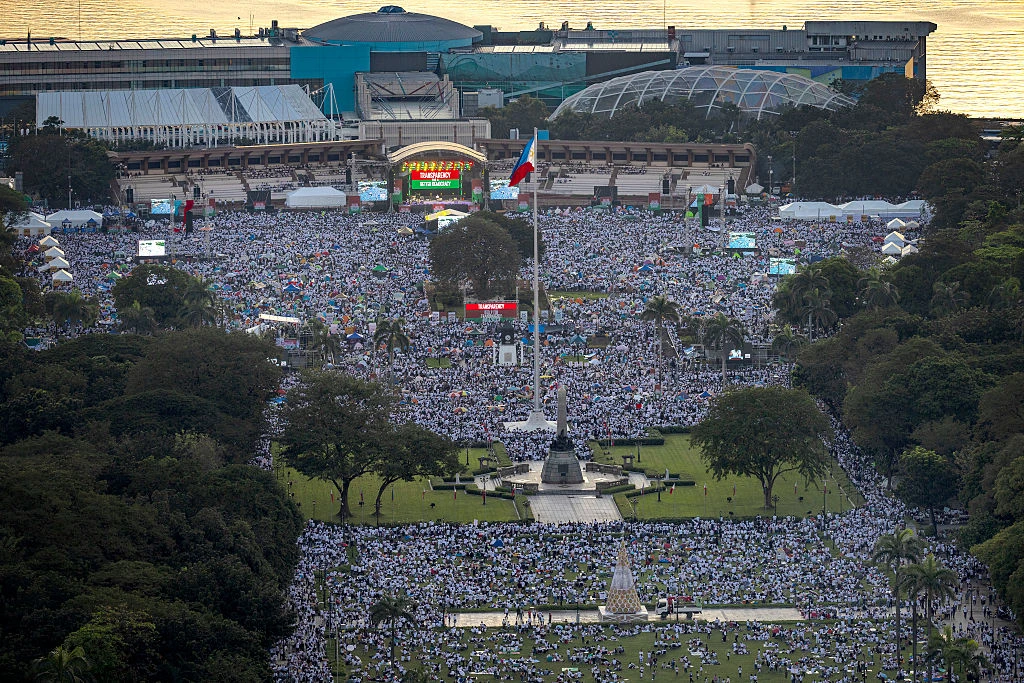
A wave of socio-political and humanitarian developments across emerging markets raises localized risk: Cardinal Pablo Virgilio David has called for mass protests in Manila against government corruption following the large Sept. 21 Trillion Peso March, signaling heightened domestic political pressure in the Philippines. Concurrent incidents — a robbery and assault in Trinidad, terrorist-driven displacement of more than 30,000 people in Mozambique, and historic flooding in southern Thailand impacting over 2 million people and stranding tourists — point to immediate humanitarian needs and potential short-term disruptions to local economic activity and tourism. Escalating Pakistan–Afghanistan tensions add regional geopolitical risk, while a U.N. report highlighting widespread online violence underscores growing digital exploitation concerns.
Market structure: Near-term winners are reinsurance and global specialty-insurance providers (ability to reprice catastrophe risk), humanitarian-logistics contractors, and commodity exporters (rice/food) if Thailand flood disrupts supply; losers are Philippine domestic banks, tourism/leisure providers serving SE Asia, and local-currency sovereign debt. Expect Philippine sovereign 5–10yr spreads to widen ~30–80bps and USD/PHP to move +3–6% in an escalation scenario over 2–6 weeks; rice futures could spike 3–6% if port/logistics disruptions persist.
Risk assessment: Tail risks include full-scale political shock in the Philippines leading to capital controls or a sovereign downgrade, and cross-border Pakistan–Afghan conflict that could add $5–10/bbl to Brent and widen EM CDS by 100–200bps; probability low (<10%) but high impact. Immediate (days) moves will be FX and tourism revenue; short-term (weeks–months) see CDS and insurance claims repricing; long-term (quarters) could shift investment into reconstruction and higher insurance premiums.
Trade implications: Favor long, short-duration exposure to reinsurance equities and a tactical USD/PHP FX short-PHP trade; underweight Philippines equity ETFs and travel names for 30–90 days while volatility is elevated. Use options to size asymmetric downside protection on airlines/hotels and prefer physical commodities (gold or rice exposure) as a 1–2% portfolio hedge for 1–3 months.
Contrarian angle: Consensus may overstate persistent instability — many large rallies/protests compress within 30–90 days and assets re-rate quickly; a disorderly sell-off >12% in EPI (iShares MSCI Philippines) would likely present a mean-reversion entry with 3-month targets of +8–15%. Beware unintended consequences: aggressive short-PHP could be crushed by FX intervention; size trades accordingly and set mechanical triggers.
AI-powered research, real-time alerts, and portfolio analytics for institutional investors.
Request DemoOverall Sentiment
moderately negative
Sentiment Score
-0.50
