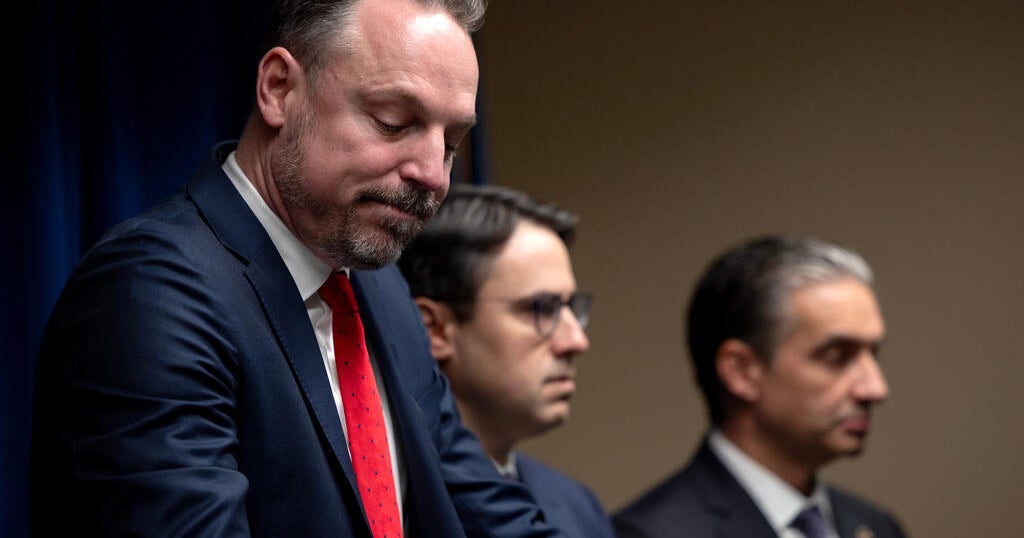
Federal prosecutors unsealed new indictments in Minnesota’s widening public-assistance fraud scandal — six more defendants added to a probe that now includes more than 90 people accused of bilking state and federal programs — with alleged losses in pandemic-era Feeding Our Future prosecutions at nearly $250 million and state officials warning total losses across flagged Medicaid programs could reach into the billions. New charges focus on a housing-stabilization Medicaid benefit (two out-of-state men allegedly submitted about $3.5M in fake claims; others face allegations of $1.4M and ~$750k in claims) and an autism-services provider accused of billing for unqualified staff; investigators also unsealed a search warrant into the Integrated Community Supports program, prompting state audits, payment suspensions and partisan political fallout for Gov. Tim Walz.
Market structure: The scandal structurally advantages large, data-rich payors and vendors (UnitedHealth UNH, Centene CNC, Palantir PLTR, NICE NICE) who can win RFPs to provide fraud-detection/claims-adjudication and absorb short-term auditing costs. Small, Medicaid-dependent home-care/autism providers and regional operators face accelerated cash-flow stress, license risk and market exit, compressing supply of community-based providers and concentrating market share in 12–24 months.
Risk assessment: Tail risks include a multi-state contagion of probes and recoupments pushing cumulative losses toward the DOJ’s “billions” estimate (>$1bn nationalized exposure) and political actions (federal funding restrictions) that could spike provider defaults. Near-term (days–weeks) expect idiosyncratic headline volatility; medium-term (3–12 months) regulatory tightening and payment suspensions; long-term (1–3 years) procurement consolidation and higher compliance spend.
Trade implications: Expect muni spread widening for Minnesota-specific paper (sell pressure) and elevated equity volatility for small-cap behavioral-health names; larger insurers and analytics vendors should see incremental contract flow and pricing power. Options: implied vol on small providers should rise; buy-term protection for long insurer exposure or buy calls on analytics vendors ahead of state RFP cycles (60–180 days).
Contrarian angles: The market focuses on political fallout and reputational risk but underestimates procurement reallocation to incumbents — a consolidation trade favoring UNH/PLTR/ELV over disaggregated providers. Historical parallel: post-2009 fraud crackdowns consolidated payor market share and raised compliance vendors’ pricing power; overreaction to rhetoric could create tactical longs in defensible large-cap names.
AI-powered research, real-time alerts, and portfolio analytics for institutional investors.
Request DemoOverall Sentiment
moderately negative
Sentiment Score
-0.55
