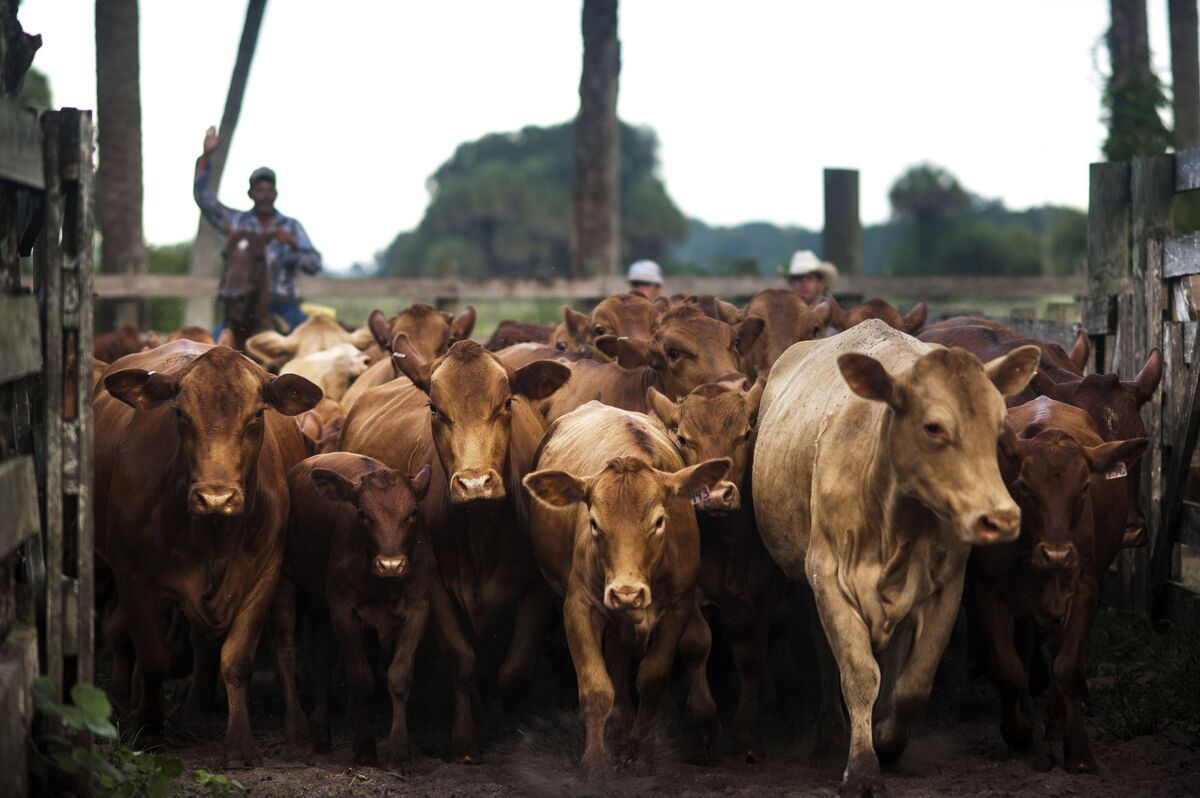
The US government has introduced a plan to bolster domestic beef production, featuring initiatives to simplify grazing on federal lands, enhance insurance subsidies, and reduce costs for small processors. Simultaneously, the administration increased the quota for Argentine beef imports, indicating a multi-faceted strategy to expand beef supply that could influence agricultural markets and international trade dynamics.
The Trump administration has unveiled a plan to enhance US beef supply through a dual approach. Domestically, measures include easier cattle grazing on federal lands, increased insurance subsidies, and reduced costs for small processors. Concurrently, the administration raised the import quota for Argentine beef, signaling a strategy to expand overall beef availability.
These domestic policy adjustments aim to support US ranchers and processors, potentially improving operational efficiencies and financial stability. Easing regulatory burdens and providing financial incentives should mitigate supply-side constraints and encourage growth within the US beef industry, leading to increased domestic output over the medium term.
The combined effect of increased domestic production incentives and higher import quotas is likely to expand the total beef supply in the US market. This expansion could exert downward pressure on wholesale and retail beef prices, benefiting consumers and food service industries. The increased quota also signifies a specific bilateral trade adjustment.
Overall market sentiment is moderately positive and optimistic, suggesting the measures are perceived as constructive for supply stability and producer support. While the market impact is assessed as moderate, these policy shifts could influence futures markets for live cattle and related agricultural commodities, impacting profitability across the beef value chain.
AI-powered research, real-time alerts, and portfolio analytics for institutional investors.
Overall Sentiment
moderately positive
Sentiment Score
0.65
