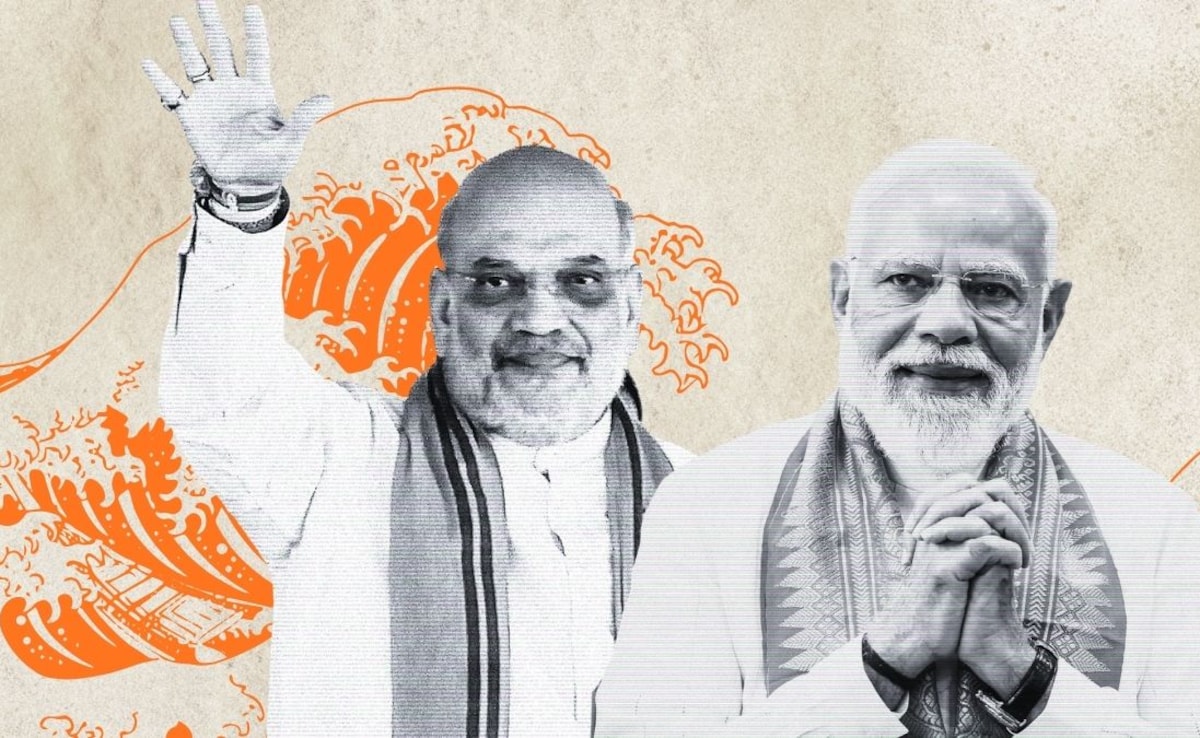
The article argues that the BJP is completing an eastern India political corridor across Bihar, West Bengal and Odisha, citing BJP-led gains and the expected loss of long-held regional power by the Trinamool Congress and BJD. Bihar’s 2025 results are described as an NDA sweep of 202 seats out of 243, while Odisha’s 2024 election delivered 78 of 147 seats to the BJP and ended Naveen Patnaik’s 24-year rule. The piece is primarily political analysis rather than market-moving news.
The market implication is not the headline result itself, but the implied end of fragmented state-level veto points across India’s eastern corridor. Once the BJP can harmonize Bihar, West Bengal and Odisha, the second-order effect is better policy transmission into land, logistics, ports and welfare delivery in a region that historically leaked growth through administrative friction. That should improve execution odds for center-linked capex, industrial corridors and rail/highway monetization, while pressuring regional incumbent ecosystems that depended on discretionary access rather than scale. The more interesting trade is not “BJP wins = bullish India” in the abstract, but a relative re-rating of eastern-exposed assets versus legacy regional incumbents. Odisha’s regime change is the cleanest near-term alpha source because political turnover there can accelerate approvals around mining, ports, power and downstream steel/industrial projects; West Bengal is slower, but if the opposition’s organizational moat has cracked, the overhang on Bengal-based consumer and infrastructure names should compress over 6-18 months. Bihar is less asset-rich but matters for labor mobility and consumption: a more aligned administrative environment can marginally improve formalization and transport throughput, which benefits logistics, rail, and organized retail more than headline GDP estimates suggest. The contrarian risk is that investors overpay for a “political consolidation” narrative before it becomes operational reality. State transitions often produce a 1-2 quarter burst of optimism, then encounter land, bureaucracy, and coalition-management bottlenecks; if governance does not improve quickly, the valuation uplift in local proxies can mean-revert sharply. For West Bengal in particular, the bigger risk is a disorderly political transition that creates short-term strikes, legal challenges, or policy paralysis, which would hurt industrial sentiment before any reform dividend arrives.
AI-powered research, real-time alerts, and portfolio analytics for institutional investors.
Request DemoOverall Sentiment
neutral
Sentiment Score
0.05
