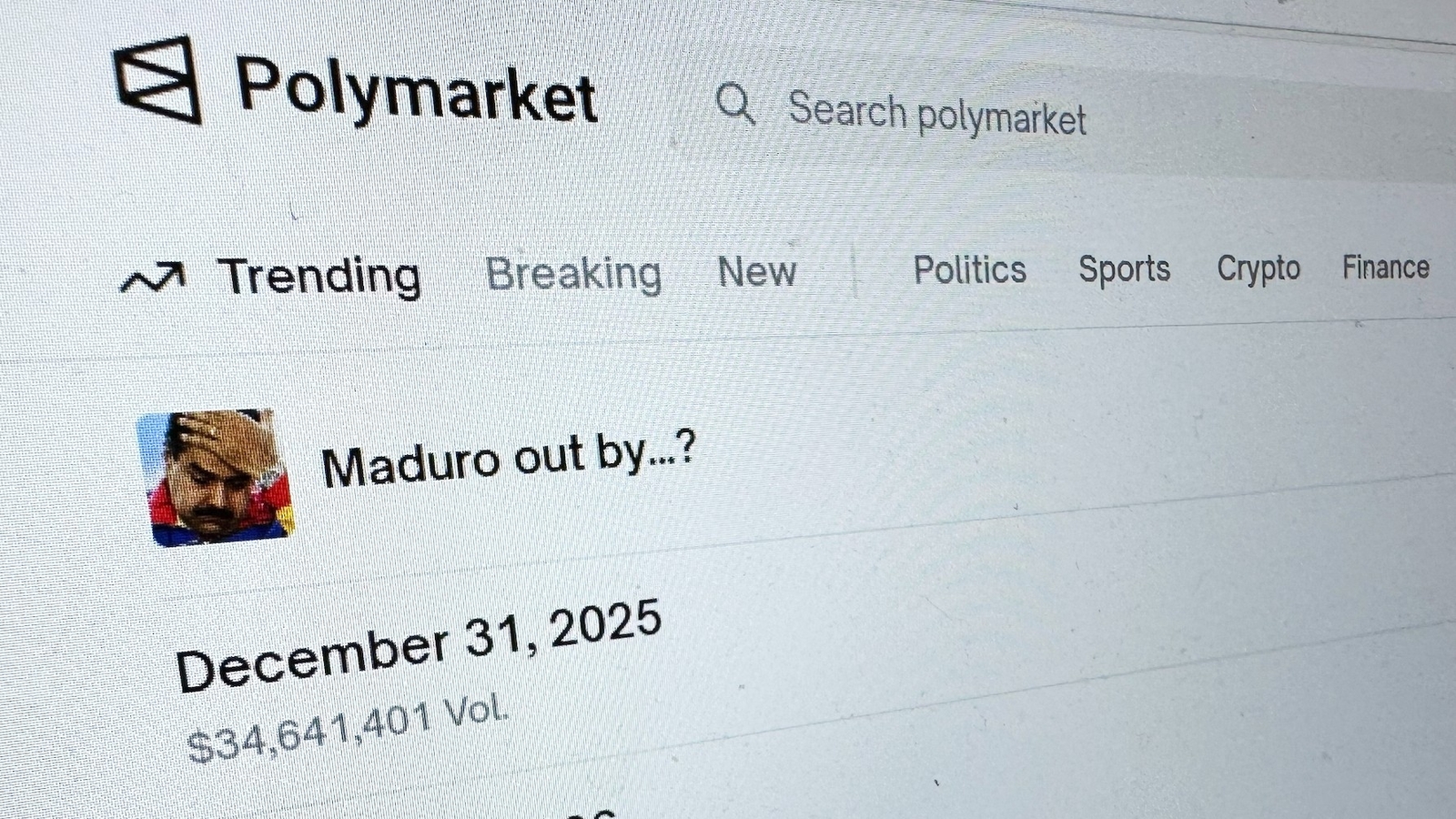
A U.S. special forces soldier was charged with using classified information about a Maduro-capture mission to place prediction-market bets that generated more than $404,000 in profits, plus over $5,000 from related contracts. The DOJ and CFTC filed parallel actions, while Polymarket said it cooperated with investigators after detecting trading on classified information. The case raises regulatory and reputational pressure on prediction markets and highlights insider-trading risks in crypto-linked wagering platforms.
This is a credibility shock for prediction markets, not a one-off compliance headline. The core mechanism that supports venue growth is trust in information neutrality; once the market starts to look like a leakage surface for state actors, the marginal retail and institutional user will demand a higher fraud discount, lower size, and more aggressive surveillance. That matters most for the category leaders because volume growth in these products is highly reflexive: reduced participation lowers liquidity, which worsens pricing quality, which further reduces participation.
The immediate winners are the incumbents that can prove stronger controls, while the losers are the broader prediction-market complex and any crypto rails used for funding and settlement. Expect a second-order boost to compliance vendors, blockchain analytics, identity/KYC providers, and custody tools as platforms are forced to harden onboarding, wallet tracing, and transaction monitoring. The larger policy risk is not the single case, but the accumulation of “private information” scandals across geopolitics, elections, and sports, which gives regulators a clean narrative to impose pre-trade restrictions, account-level surveillance, or contract-level bans.
For the market, the key timing is days-to-weeks for reputational pressure and months for rulemaking. The Trump administration’s public alignment with the industry is supportive in the near term, but that does not eliminate state-federal friction, especially if more accounts are linked to privileged information around military or diplomatic events. If the next enforcement action shows a pattern rather than an outlier, the regulatory overhang expands from individual bad actors to venue liability, and that is when multiple compression becomes real for the category.
The contrarian view is that this may actually strengthen the largest platforms by clearing weaker competitors and forcing institutional-grade controls that smaller entrants cannot afford. If so, the trade is not to short the entire theme blindly, but to fade the most exposed consumer-facing growth names and own the picks-and-shovels of compliance and market infrastructure.
AI-powered research, real-time alerts, and portfolio analytics for institutional investors.
Request TrialOverall Sentiment
strongly negative
Sentiment Score
-0.75
