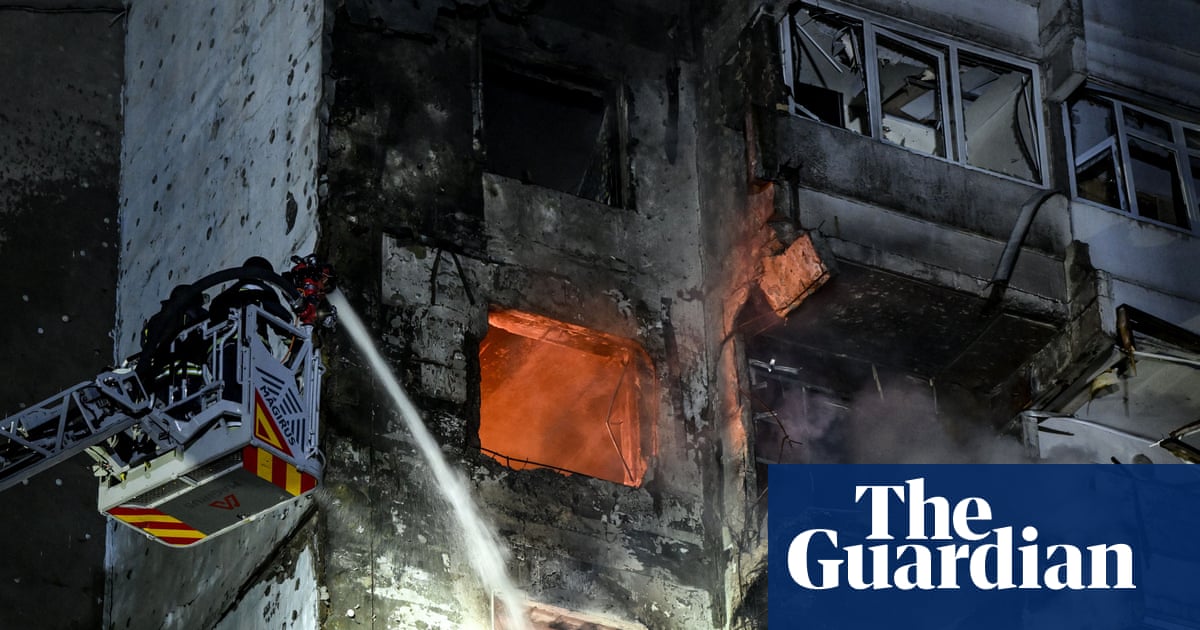
Moldova declared a 60-day state of emergency after a power cable from Romania via southern Ukraine was disconnected by Russian strikes; repairs require demining and could take up to seven days. Russia mounted one of its largest aerial assaults—nearly 400 long-range drones and 23 cruise missiles overnight and a further 556 drones in a daytime barrage—hitting Lviv and other western cities and causing civilian casualties. The events raise short-term European energy supply risk and geopolitical risk premia, likely widening power price volatility and prompting a risk-off move in regional assets.
This event is a small-volume trigger with outsized price and policy effects: an outage that constrains a single cross-border cable reduces N-1 redundancy at the regional node and forces re-dispatch to more expensive, flexible resources (diesel/gas-fired plants and imports routed via longer corridors). Expect localized power nodal spreads (Romania–Moldova/Balkan border) to widen materially in the 1–14 day repair window and for monthly forward power and TTF gas curves to reprice higher as system operators re-contract peaking capacity and reserve margins tighten.
A second-order industrial effect is acceleration of procurement cycles for mobile generation, demining and rapid-repair services, and counter-drone/air-defence systems. Procurement times for commercially available gensets and spare transformers are measured in weeks to months, so equipment OEMs with available inventory (large engine and generator manufacturers) will see near-term margin capture, while defence contractors with counter-UAS and ISR portfolios get multiyear revenue visibility as militaries prioritize hardening of critical infrastructure.
Tail risks are asymmetric: a rapid escalation in cross-border strikes or a protracted repair due to UXO would extend market tightness from weeks to quarters and lift credit spreads on small emerging-market sovereigns. Conversely, a successful localized NATO/EU logistics surge or a negotiated humanitarian corridor for repairs could compress spreads quickly. Key catalyst windows: 0–14 days for nodal power/winter fuel shocks; 1–6 months for defence procurement budgeting and equipment delivery cycles.
AI-powered research, real-time alerts, and portfolio analytics for institutional investors.
Request DemoOverall Sentiment
strongly negative
Sentiment Score
-0.70
