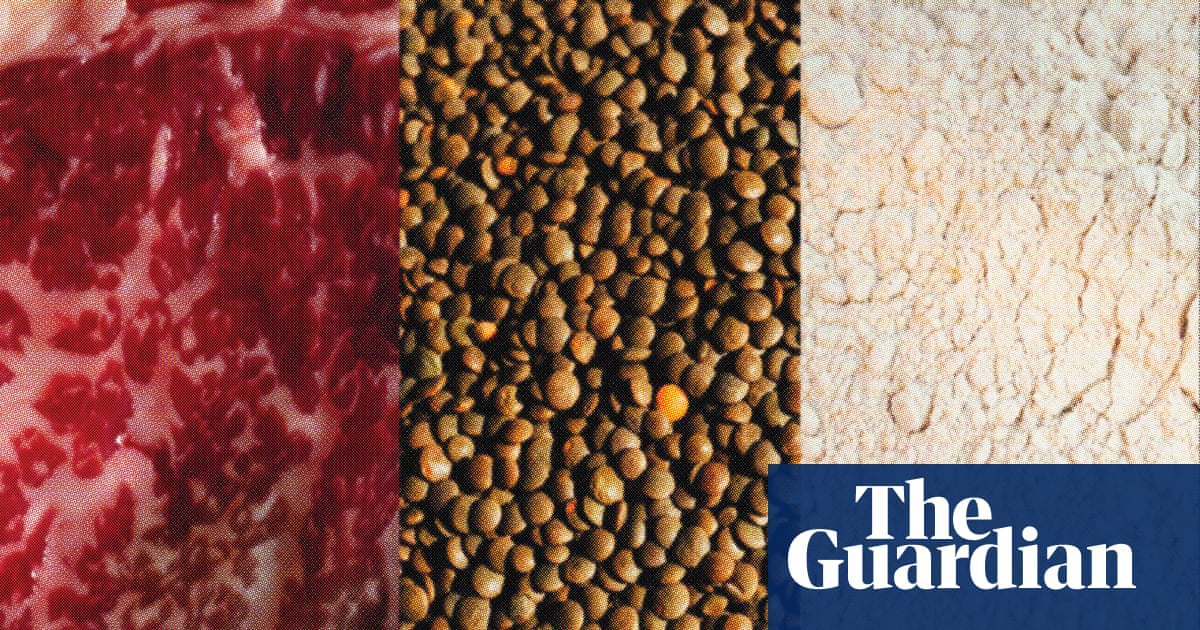
The article is a consumer health explainer on protein intake and compares major protein sources by nutrition, cost, and environmental impact. It cites New US dietary guidance of 1.2-1.6g of protein per kilogram of body weight per day, while noting concerns that overconsumption may strain kidneys and that plant proteins generally have a lower carbon footprint than animal proteins. The piece is informational rather than market-specific and is unlikely to have a direct price impact.
The more important takeaway is not “protein is popular,” but that the category is fragmenting from a macro demand trend into a quality-screening exercise. The market should increasingly reward products that combine high protein with low sugar, low sodium, clean labels, and perceived naturalness; that shifts share away from commodity shakes/bars toward whole-food adjacencies and premium refrigerated/fresh offerings. In other words, protein demand is durable, but the mix matters more than the headline grams, which should pressure lower-end formulations and support better-margin premium brands.
Second-order, the article strengthens the long-run case for plant-based and hybrid proteins on both health and ESG grounds, but the near-term winner is likely not the most vocal plant-only brand. Consumers appear willing to optimize around function and taste rather than ideology, which favors incumbents that can reposition as “protein-plus” platforms and capture multiple occasions: meal replacement, snacking, and recovery. That creates a barbell dynamic where pure-play plant names need proof of repeat purchase, while diversified food companies with better distribution and reformulation capabilities can quietly take shelf share.
The main risk is that the category gets over-monetized: once protein becomes table stakes, price competition rises and incremental demand shifts to private label or ingredient-constrained formats. A second risk is regulatory scrutiny around supplements and adulteration claims, which could slow powder growth within months if there is a consumer headline or enforcement action. Conversely, if obesity/GLP-1-driven eating patterns persist, protein density becomes a structural benefit for manufacturers that can deliver satiety in smaller servings, extending the cycle over years rather than quarters.
AI-powered research, real-time alerts, and portfolio analytics for institutional investors.
Request DemoOverall Sentiment
neutral
Sentiment Score
0.05
