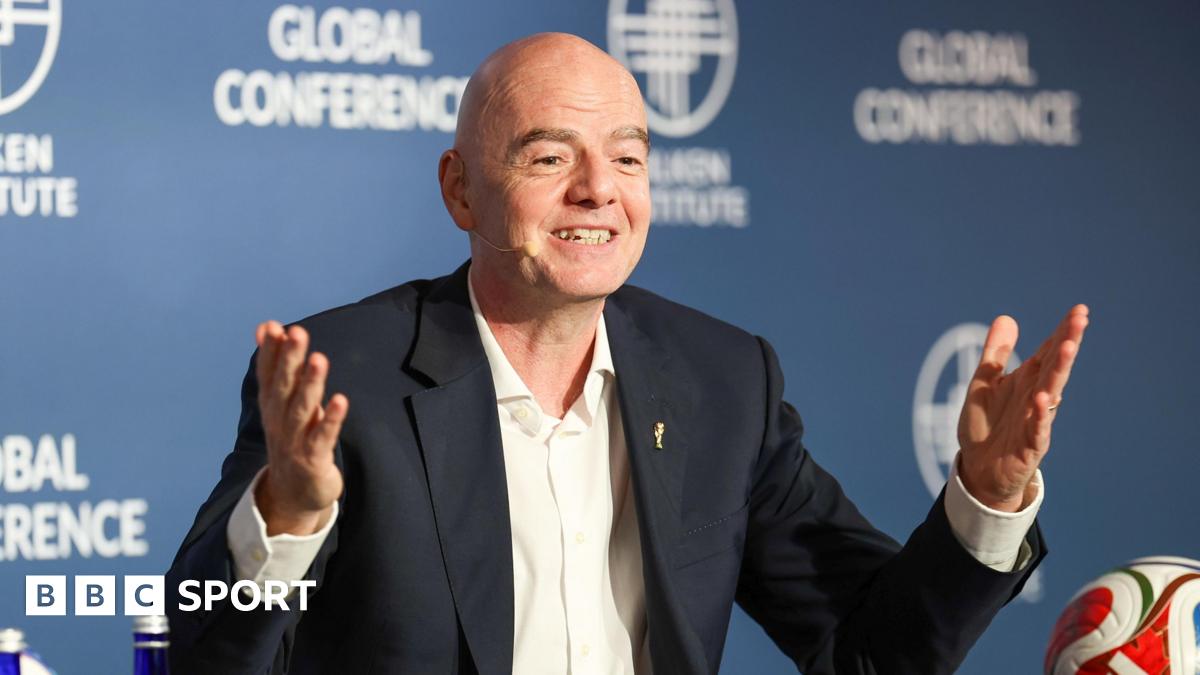
Fifa is defending World Cup ticket pricing as criticism mounts over resale listings as high as just under $2.3m per seat for final tickets, while noting 25% of group-stage tickets are available for under $300. The organization has also changed its resale platform for Toronto matches to comply with Ontario's ban on selling event tickets above face value. The article is primarily a policy and pricing update with limited direct market impact.
The key investable signal is not the headline pricing rhetoric; it is the fragmentation of venue-level regulation across the tournament footprint. Toronto’s face-value cap creates a two-tier resale regime that should compress secondary-market pricing there while potentially pushing speculative demand into the U.S. venues where resale remains freer, effectively diverting arbitrage activity rather than eliminating it. That makes local policy a bigger determinant of realized fan costs than FIFA’s official price sheet, and it raises the odds of venue-by-venue distortions in booking, lodging, and last-mile transport demand.
For travel and leisure, the second-order winner is pricing power across constrained inventory near U.S. host cities. If high-income international fans are willing to pay several multiples for access, the bottleneck shifts from tickets to hotel rooms, premium short-term rentals, private transport, and hospitality packages, which should support outsized yield capture in upper-upscale and luxury channels during the event window. The losers are budget-oriented demand segments and any operators relying on broad-based occupancy growth rather than premium mix, because the cost stack pushes marginal attendees out of the market well before the event begins.
The contrarian risk is that public backlash becomes a demand elasticity event rather than a reputational nuisance. If the narrative hardens around “price gouging,” sponsors and broadcasters will face louder pressure to offer fan-friendly inventory, and last-minute regulatory interventions could narrow resale spreads into the spring of 2026. The timing matters: near term this is mostly a sentiment trade; over the next 6-12 months it becomes a real earnings issue for lodging and transport names with exposure to host-city event premiums.
What the market may be missing is that scarcity can coexist with lower realized attendance from middle-income fans, which is bullish for monetization per visitor but bearish for total footfall in adjacent businesses. That favors operators with yield management and premium segmentation, while leaving lower-tier hospitality and discretionary spending more vulnerable than headline event enthusiasm suggests.
AI-powered research, real-time alerts, and portfolio analytics for institutional investors.
Request DemoOverall Sentiment
neutral
Sentiment Score
-0.05
