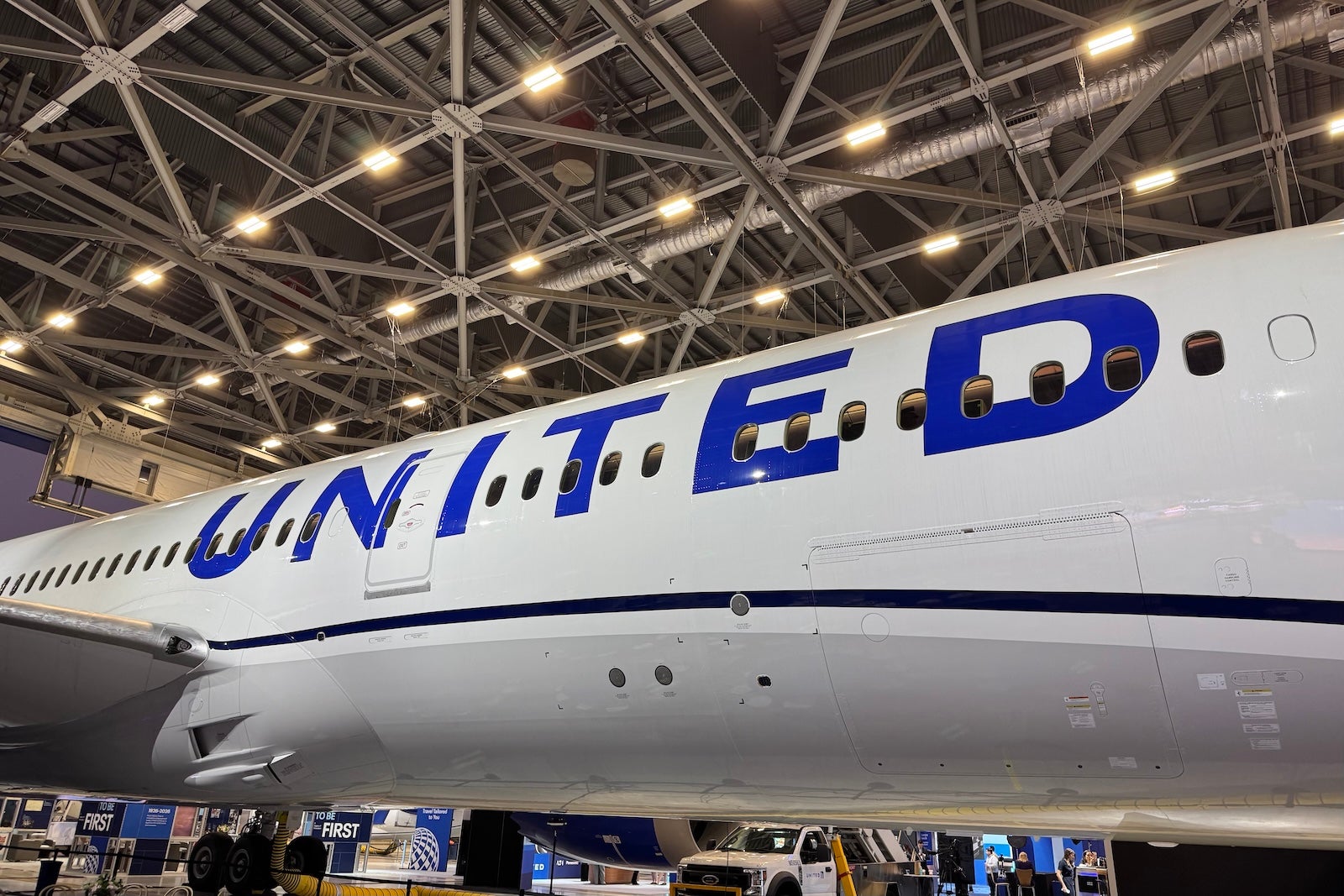
United is raising checked-bag fees by $10: first checked bag to $50 ($45 if prepaid ≥24 hours) and second bag to $60 ($55 if prepaid), for tickets purchased from April 3 and effective Friday. The airline cited rising jet fuel/oil prices as a driver, and JetBlue raised fees earlier this week, increasing the likelihood other carriers follow; United last raised fees in early 2024. The move coincides with loyalty-program changes that increase miles for credit-card holders but reduce accrual for other flyers. Expect a modest near-term revenue uplift for United that is at risk from continued fuel cost pressure and competitive responses.
This move is less about $/bag and more about margin engineering: ancillary fees have near-zero incremental unit cost, so a small price increase can meaningfully lift ex-fare unit revenue and incremental EBITDA in the low‑to‑mid hundreds of millions annually under modest attach-rate assumptions. If only ~30–40% of a carrier’s base checks a bag, a $10 lift translates to a ~$3–4 revenue per passenger average; scaled to typical legacy domestic volumes that is order-of-magnitude hundreds of millions annually — large enough to matter to quarterly guidance but small versus network fuel shocks.
Second-order winners are not just the carrier but its loyalty and card partners: a program that insulates elites and co‑brand cardholders effectively transfers pricing power to the top segment, increasing spend and swipe volume among a highly monetizable cohort while nudging transient leisure to lower-price substitutes or carry‑on behavior. Competitively, this increases segmentation: carriers that combine baggage hikes with loyalty/card sweeteners will widen unit revenue dispersion from peers who either cannot or choose not to match the mix of ancillary and rewards adjustments.
Catalysts and risks are asymmetric in timing. Near term (days–weeks) the market reaction will hinge on perceived follow‑through by other legacy carriers; medium term (1–6 months) fuel price volatility and forward leisure booking trends can swamp ancillary gains. Tail risks (months–years) include regulatory scrutiny of bundled pricing or a demand inflection if broader inflationary pressure forces baggage‑sensitive travelers to reduce discretionary air trips — that would force carriers to reverse or rebate fees.
Contrarian read: the move is more under‑priced than headlines suggest because investors focus on headline fare elasticity rather than loyalty segmentation. If legacy carriers collectively lean into premiumizing the card/elite cohort while sacralizing ancillary fees for non‑elites, UAL‑style carriers can buy durable mix improvement without material traffic loss; the real swing factor is pace of competitor mimicry and how banks monetize the higher ancillary spend.
AI-powered research, real-time alerts, and portfolio analytics for institutional investors.
Request DemoOverall Sentiment
mixed
Sentiment Score
0.05
Ticker Sentiment
