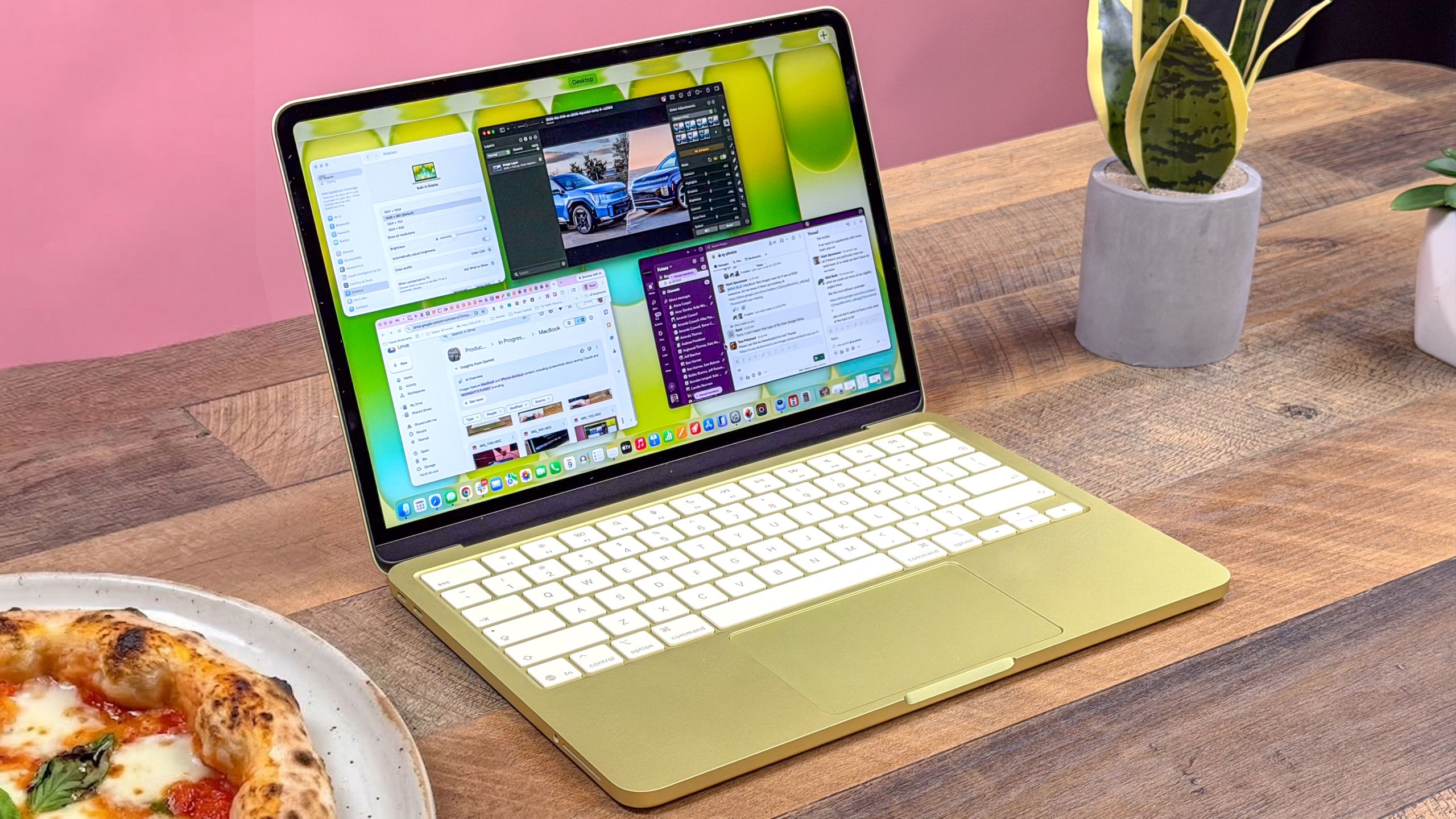
Apple's $599 MacBook Neo was publicly torn down by Framework founder Nirav Patel and compared to the Framework Laptop 12 (DIY $549, pre-built $799; realistic usable config ~$800–$900). Patel highlighted notable repairability improvements on the Neo (no adhesive, bottom lid held by 8 screws, battery removable with 18 screws) but noted the display still requires removing the entire top assembly; he framed the Neo as a likely way for Apple to onboard younger users into its ecosystem amid emerging right-to-repair regulation. Framework reiterates its differentiated strategy emphasizing modularity and upgradeability to retain users rather than serve as a stepping stone.
Apple’s move into a repair-friendly, low-price laptop is primarily strategic customer acquisition — the real value is multi-year ecosystem capture rather than near-term unit economics. If even 2–4% of new first-time PC users become active Apple ecosystem customers within 2–4 years, the lifetime value (services, accessories, recurring attach) could exceed the margin lost on the device itself and justify aggressive pricing.
A regulatory tailwind (right-to-repair) forces incumbents to rework mechanical designs and supply chains; that raises short-term engineering and parts-mix costs but creates winners among contract manufacturers and parts suppliers that can scale modular components and standardized connectors. Expect a 6–18 month window where OEMs that pivot fastest to modular specs win aftermarket share, while those that don’t see eroding retail channel presence in education.
There’s a subtle product-cycle offset risk: improved repairability extends device lifespan, which reduces replacement frequency and could shave low-single-digit percentage points off global PC unit growth over a multi-year horizon. That structural lengthening of replacement cycles is negative for pure-play low-margin OEMs but neutral-to-positive for platforms that monetize services and content attached to longer-lived devices.
AI-powered research, real-time alerts, and portfolio analytics for institutional investors.
Overall Sentiment
mildly positive
Sentiment Score
0.15
Ticker Sentiment
