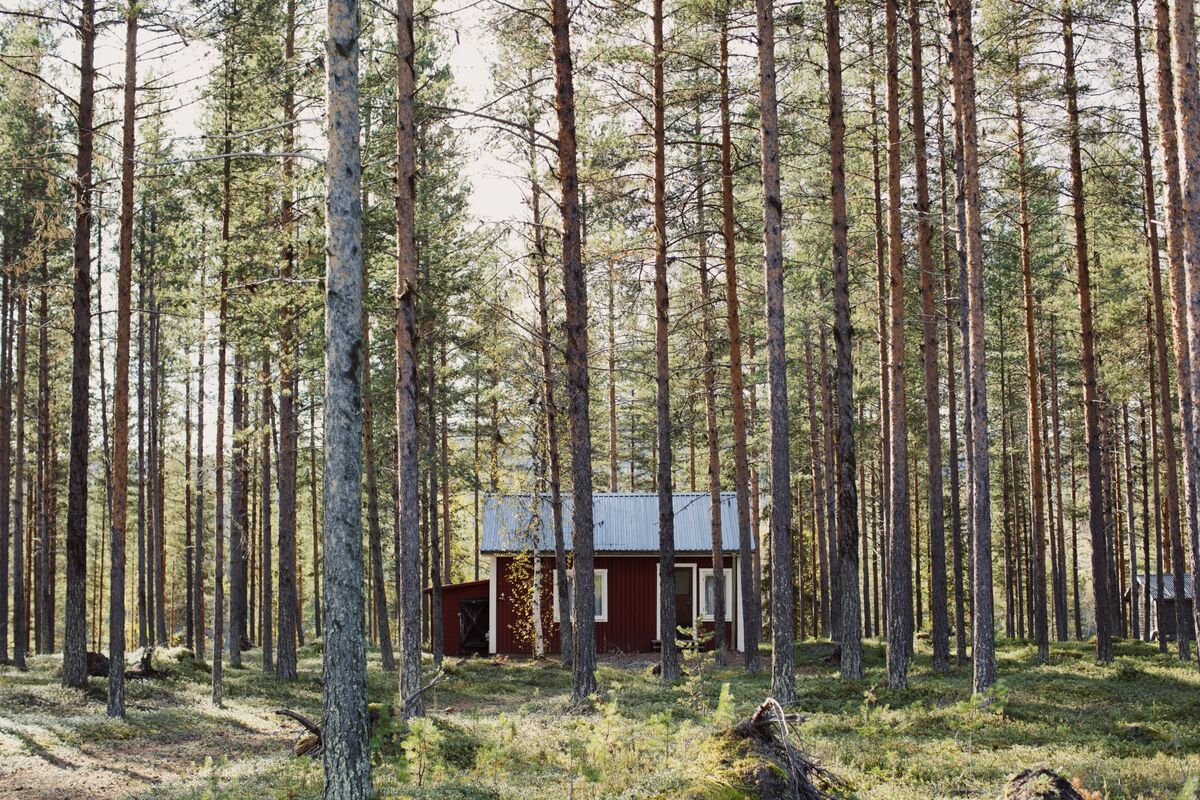
A climate policy dispute has emerged in Sweden regarding the economic incentives for forest owners to meet EU carbon removal targets. A proposal suggests the state pay landowners to delay timber harvesting for at least five years beyond the minimum age, effectively compensating them for carbon sequestration. This initiative underscores a broader debate on the financial valuation of forests, pitting timber production against their role in climate mitigation through carbon capture.
A significant policy debate is emerging in Sweden, which possesses the largest forest area in the European Union, concerning the financial incentives for carbon sequestration. The core of the issue is a government proposal to offer direct payments to landowners who voluntarily delay timber harvesting for at least five years beyond the minimum age, effectively creating a state-sponsored market for carbon capture in standing forests. This initiative directly pits the economic value of traditional timber harvesting against the value of forests as a tool for climate mitigation, a conflict fueled by the EU's ambitious carbon removal targets. The outcome of this debate could establish a precedent for monetizing nature-based climate solutions across the bloc, potentially altering the fundamental economics of the forestry industry by introducing a new, state-backed revenue stream for delayed harvesting. While currently a proposal with low immediate market impact, its progression represents a key regulatory development for any entity with exposure to European timber and land assets.
AI-powered research, real-time alerts, and portfolio analytics for institutional investors.
Request DemoOverall Sentiment
mixed
Sentiment Score
0.00
