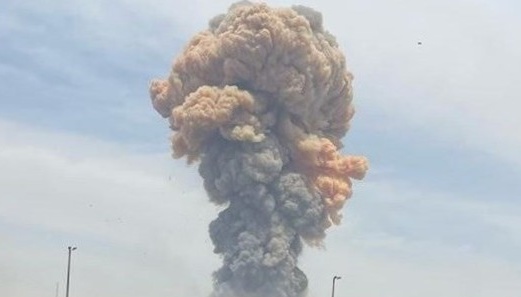
Ukrainian Defense Forces struck multiple Russian military targets on Feb. 5–6, including a Uragan MLRS near Novomaiorske, Russian manpower concentrations in Chasiv Yar and Rivnopillia, a UAV control point near Huliaipole, a logistics depot, and an FPV drone production and pilot training center in Komysh-Zoria; casualties and damage are still being assessed. Separately, SBU Special Operations drones reportedly struck a factory in Redkino, Tver region, that produces fuel components for X-55 and X-101 missiles, a development that elevates regional geopolitical risk and could affect defense supply chains and related equities if strikes persist or escalate.
Market structure: Ukrainian strikes degrading Russian drone control, FPV production and missile-fuel capacity favor immediate demand for counter‑UAV systems, electronic warfare, and hardened logistics. Expect big-cap defense primes (RTX, LMT, NOC) to capture incremental NATO/EU procurement (we model +5–15% revenue tailwind across 12–24 months), while Russian defense suppliers, regional logistics firms and any Western firms with direct Russia revenue face near‑term revenue hits and sanction/FX pressure.
Risk assessment: Tail risks include wider escalation (energy infrastructure strikes → oil/gas shock) and Russia retaliatory cyber/financial measures; low‑probability high‑impact scenarios could move oil ±10% and RUB -10–30% in days. Immediate window (days): volatility spikes; short term (weeks–months): procurement/stockpiling cycles and component supply strains; long term (quarters–years): doctrinal shift toward swarm/FPV counters and diversification of munitions supply chains.
Trade implications: Tactical trades should overweight counter‑UAV/defense names and hedge via FX/commodities. Prefer liquid large-cap defense longs for core exposure and select small‑cap/specialists for asymmetric upside (AVAV, LHX, ESLT), use 3–9 month options to monetize increased implied volatility, and keep a 1–2% gold allocation as insurance against escalation.
Contrarian angles: The market may overprice permanent high levels of kinetic escalation — procurement cycles often front‑loaded then fade; mid‑cycle defenders of niche counter‑UAV tech (L3Harris, ELBIT) are underappreciated relative to large primes. Unintended consequence: heavy focus on FPV counters could compress margins for commodity‑style drone parts suppliers once production scales; monitor 30–90 day procurement announcements to discriminate sustainable winners.
AI-powered research, real-time alerts, and portfolio analytics for institutional investors.
Request DemoOverall Sentiment
moderately negative
Sentiment Score
-0.50
