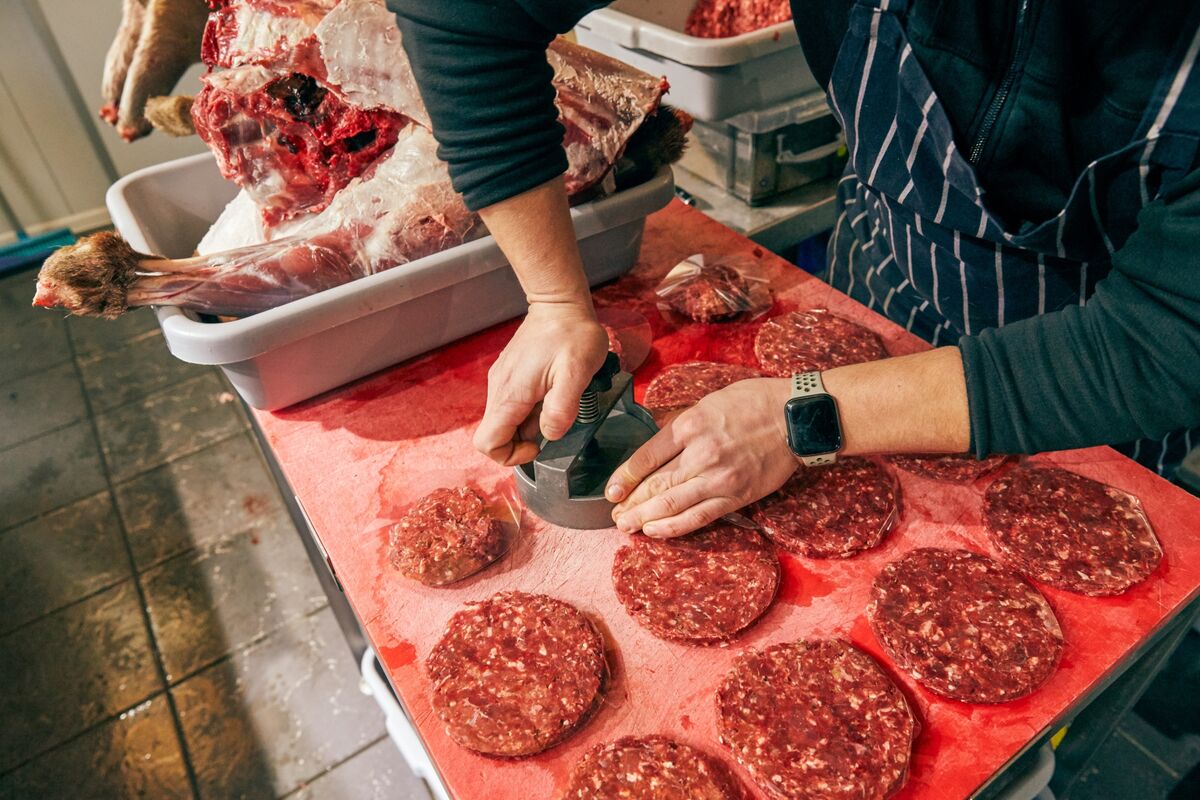
U.S. beef prices are projected to reach new record highs in the coming months, driven by already tight domestic supplies and further exacerbated by restrictions on Brazilian imports. Global meat trader Parker-Migliorini International Llc. warns this could position beef as a significant driver of food inflation, similar to the surge observed in egg prices last winter.
US beef prices are projected to reach new record highs in the coming months, presenting a significant headwind for food inflation. According to analysis from global meat trader Parker-Migliorini International Llc, this surge is driven by a two-fold supply-side constraint: pre-existing tight domestic supplies are being compounded by new import restrictions on Brazilian beef. This dynamic positions beef to become a primary driver of food inflation, analogous to the sharp increase observed in egg prices last winter. The situation reflects a confluence of adverse factors, including commodity market tightness, restrictive trade policy, and supply chain vulnerabilities, which together fuel a pessimistic outlook with an anticipated market impact.
AI-powered research, real-time alerts, and portfolio analytics for institutional investors.
Request DemoOverall Sentiment
strongly negative
Sentiment Score
-0.65
