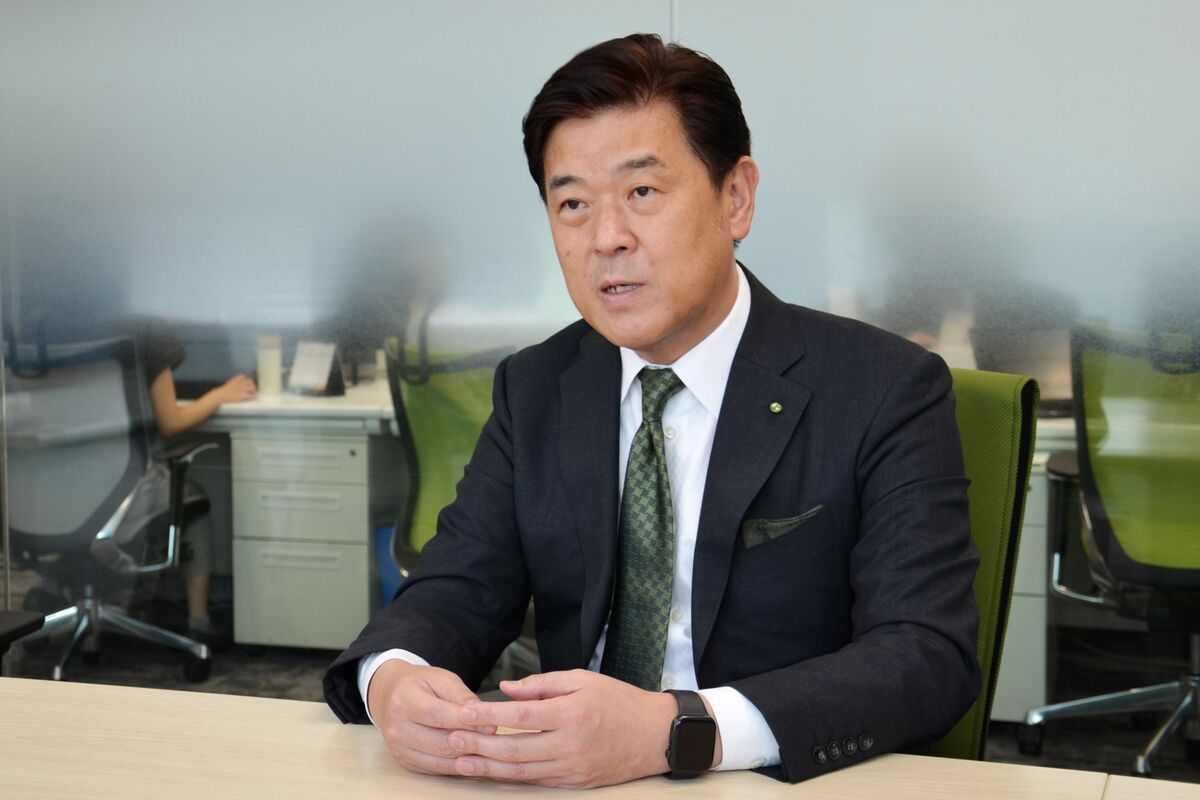
Shareholders of Taiyo Holdings Co. rejected CEO Eiji Sato's re-election, leading to Executive Vice President Hitoshi Saito's immediate appointment as his successor. This rare event for the Tokyo-based chemicals maker underscores the escalating influence of activist investors within Japan's corporate governance landscape, signaling a potential shift in shareholder power dynamics across the market.
The rejection of Eiji Sato’s re-appointment as CEO of Taiyo Holdings Co. by shareholders is a significant event highlighting the increasing effectiveness of activist investors in Japan's corporate market. This shareholder vote, described as a rare occurrence, forced an immediate leadership change, with Executive Vice President Hitoshi Saito taking the CEO position at the Tokyo-based chemicals maker. This outcome serves as a potent illustration of a shift in Japan's corporate governance dynamics, where shareholder power is demonstrably capable of influencing top-level executive appointments. The mildly positive sentiment signal suggests the market may interpret this assertion of shareholder rights as a constructive development for corporate accountability and a potential catalyst for unlocking value, marking a notable departure from traditionally more management-friendly norms.
AI-powered research, real-time alerts, and portfolio analytics for institutional investors.
Request DemoOverall Sentiment
mildly positive
Sentiment Score
0.30
