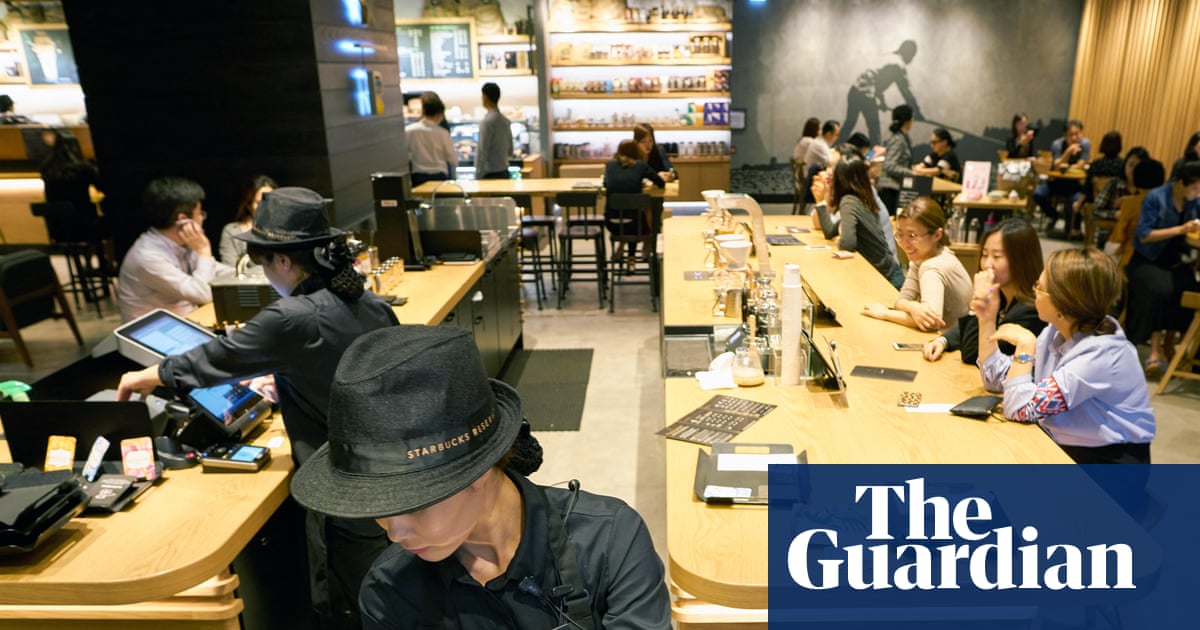
Starbucks Korea dismissed its CEO after a promotional campaign referencing South Korea’s 1980 Gwangju Uprising triggered public outrage, boycott calls, and a formal apology. The company said leadership accountability actions have been taken and that it is tightening internal review processes. The episode creates reputational damage and governance scrutiny for Starbucks Korea and its local owner, Shinsegae Group, but is unlikely to have broad market impact.
This is less about a one-day PR error and more about governance fragility in a politically sensitive consumer franchise. Because the Korea business is licensed and locally controlled, the immediate P&L hit is probably modest, but the reputational damage can travel faster than revenue: boycott dynamics in Korea tend to spill from social media into foot traffic, and coffee is a high-frequency, low-loyalty category where even a small transitory share loss can show up quickly in same-store sales. The second-order risk is regulatory and franchisee scrutiny. Management turnover signals the controlling shareholder is trying to contain the issue, but that also confirms the market’s worst read: operating discipline is being subordinated to owner politics. For SBUX globally, the direct earnings exposure is limited, yet the event reinforces a broader discount rate problem around brand stewardship, especially in Asia where local cultural missteps can impair traffic for multiple quarters and increase the cost of promotional activity. Near term, the catalyst path is asymmetric to the downside over days to weeks: media coverage, activist pressure, and any organized consumer response could force further apologies, store-level disruptions, or employee morale issues. Over months, the key question is whether this becomes a one-off embarrassment or a repeat governance pattern; if the latter, it could shave valuation via a small but persistent multiple compression rather than a large EPS hit. The market is likely underestimating how quickly a prestige consumer brand can lose pricing power when it becomes politicized, even temporarily. The contrarian view is that the selloff may be overdone if investors extrapolate headline damage into the core Starbucks master brand. Korea is not the economic center of gravity for the equity, and decisive accountability from the local operator may actually shorten the half-life of the controversy. That said, the more investable risk is not the immediate boycott, but the possibility that this surfaces deeper oversight weaknesses across licensed markets, which would justify a wider governance discount.
AI-powered research, real-time alerts, and portfolio analytics for institutional investors.
Request DemoOverall Sentiment
strongly negative
Sentiment Score
-0.55
Ticker Sentiment
