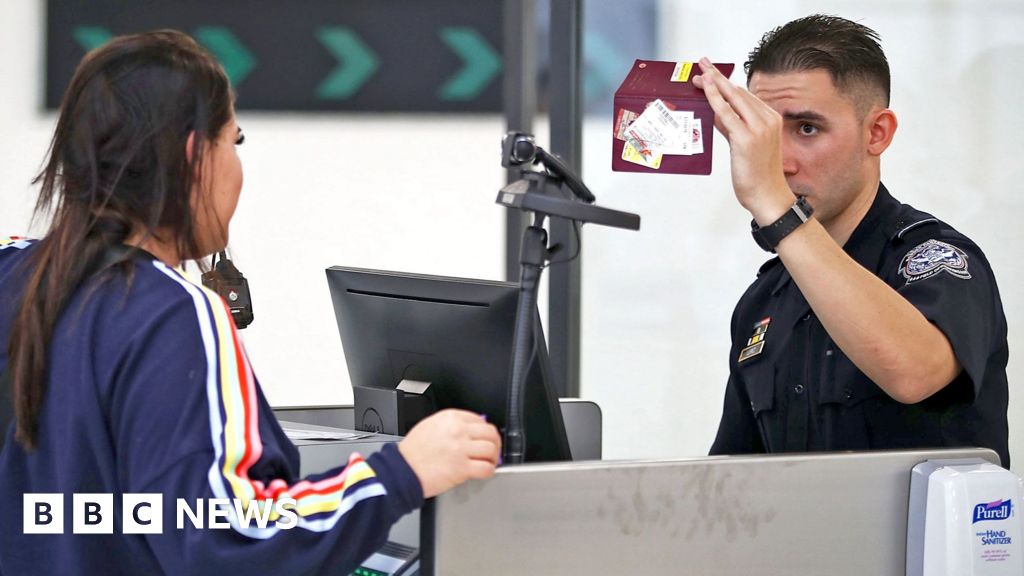
The US Department of Homeland Security and Customs and Border Protection have proposed that travellers from roughly 40 visa-waiver countries using the ESTA program provide five years of social-media history (plus phone numbers from the last five years, emails from the last ten and expanded family information), a move filed in the Federal Register that follows broader Trump administration directives to tighten vetting and expand online-presence screening for visa applicants; the proposal opens a 60-day public comment period. Critics warn the measure could exacerbate civil‑liberties concerns and slow or deter travel—Fragomen highlights potential longer ESTA wait times—at a sensitive moment when the US expects surges in inbound tourism for the 2026 World Cup and 2028 Olympics and when industry data already flagged the US as the only major economy projected to see a drop in international visitor spending in 2025. The change signals further tightening of border and screening policy that could materially affect tourism flows and related sectors if implemented.
The Department of Homeland Security and Customs and Border Protection filed a proposal in the Federal Register to require ESTA applicants from roughly 40 visa-waiver countries to provide five years of social-media history, telephone numbers used over the last five years, email addresses from the last ten years, and expanded family information; the rule opens a 60-day public comment period. The measure is an extension of the administration's January executive order and mirrors existing online-presence screening applied to student and H‑1B visa applicants, including expectations that social-media privacy settings be made public for review.
Digital-rights groups warn the proposal could exacerbate civil-liberties harms, while immigration-practice Fragomen cautions it may lengthen ESTA processing times; both outcomes would create a practical barrier to short-term visitors. The article cites that earlier policy shifts already coincided with declines in inbound travel from key markets, notably a ten-month drop in Canadian visitors and WTTC data flagging the US as the only economy expected to see a fall in international visitor spending in 2025.
The timing is material given the 2026 World Cup and 2028 Olympics, when the US expects surges in inbound tourism; implementation could therefore depress near-term bookings and revenues for airlines, hotels, online travel agencies and cross-border retail. Sentiment signals in the report are moderately negative (sentiment score -0.45) with a modest market-impact score (0.35), indicating potential sectoral downside if the proposal is finalized and enforced.
AI-powered research, real-time alerts, and portfolio analytics for institutional investors.
Request DemoOverall Sentiment
moderately negative
Sentiment Score
-0.45
Ticker Sentiment
