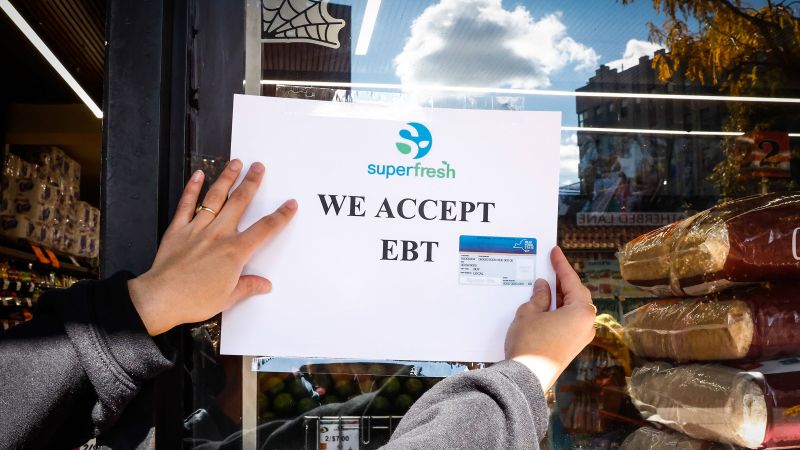
The ongoing federal government shutdown is set to halt approximately $8 billion in Supplemental Nutrition Assistance Program (SNAP) benefits for November, directly impacting nearly 42 million Americans who depend on an average of $350 monthly assistance. The USDA indicates it cannot access contingency funds and will not reimburse states attempting to cover the shortfall, creating significant financial strain for recipients and overwhelming state-level emergency food programs that cannot fully replace federal outlays. This disruption, compounded by the implementation of new, stricter work requirements for SNAP recipients effective November 1st, introduces considerable uncertainty regarding consumer spending among vulnerable populations and places increased pressure on state budgets and local social safety nets.
The federal government shutdown is set to halt approximately $8 billion in Supplemental Nutrition Assistance Program (SNAP) benefits for November, directly impacting nearly 42 million Americans. This cessation, due to a funding impasse, means an average loss of $350 per household, with 83% of benefits typically supporting households with children, elderly, or disabled individuals. The USDA has stated it cannot utilize its $6 billion contingency fund and will not reimburse states attempting to cover the shortfall.
This significant reduction in consumer purchasing power for a vulnerable demographic is likely to depress spending on essential goods, particularly food. While some states are allocating limited emergency funds, these amounts are substantially lower than typical federal outlays (e.g., New York received over $647 million in May but allocated $30 million), indicating a severe funding gap. This will intensify strain on already stretched emergency food systems.
Compounding the immediate crisis, new, stricter SNAP work requirements for enrollees up to age 64 and parents of children aged 14 and older also take effect on November 1st, irrespective of the shutdown. This regulatory change introduces further uncertainty regarding long-term benefit eligibility. The unprecedented nature of this benefit halt means the timing and certainty of retroactive payments post-shutdown remain unclear, adding to economic instability for affected households.
AI-powered research, real-time alerts, and portfolio analytics for institutional investors.
Request DemoOverall Sentiment
extremely negative
Sentiment Score
-0.85
