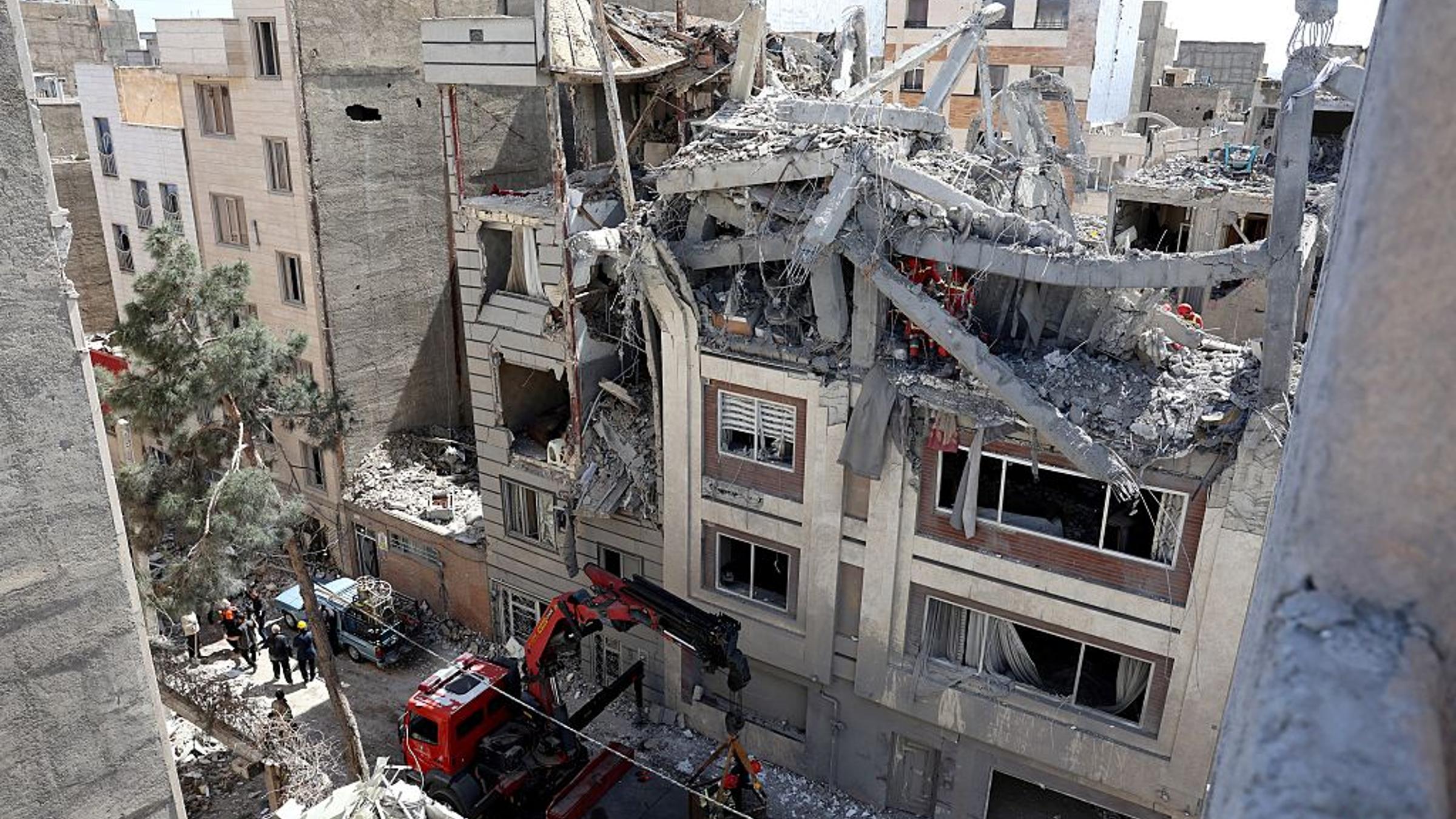
Israel announced it will “intensify and expand” strikes on Iran after a renewed Iranian missile barrage and threats; Israel reported hitting an Iranian missile/sea-mine production facility and said it killed IRGC Navy Commander Alireza Tangsiri. The Strait of Hormuz remains closed, affecting roughly 20% of global oil flows, and Iran warned civilians near U.S. positions ahead of potential strikes. President Trump said strikes on Iranian energy infrastructure are delayed until April 6, but escalation materially raises near-term energy-price volatility and broader risk-off pressure on markets.
A persistent disruption to oil transit through the Persian Gulf region would transmit to the market via three mechanically separable channels: physical supply reduction, higher voyage costs and war-risk insurance, and a reconfiguration of refining feedstocks. Expect the voyage-cost + insurance channel to act fastest — insurers and charter markets reprice within days, translating into $1–4/bbl equivalent incremental landed cost for Asian refiners and immediate backwardation in front-month crude contracts.
Defense and security spending is the multi-quarter response vector: procurement cycles mean visible revenue bumps for missile, naval and ISR suppliers in 6–18 months, not days. Shipyards, naval-system integrators and specialized munitions manufacturers are the ones that typically see multi-year budget commitments, while aftermarket suppliers and tactical electronics providers capture earlier revenue as urgent replenishment orders arrive.
Market risk horizon is layered: headline volatility and freight spreads spike in days–weeks; physical crude and product prices move materially over weeks–months depending on replacement route capacity; structural capex and insurance repricing play out over 6–36 months. The single biggest tail risk is a kinetic widening that prompts blanket strikes on energy infrastructure — that outcome would create an outsized, non-linear price shock and permanent rerouting costs until new capacity is brought online.
Consensus positioning likely overweights near-term oil supply scarcity and underweights the speed of adaptive responses (SPR releases, rapid rerouting, charter-market arbitrage). That suggests asymmetric opportunities: capture convex upside in security/defense names while selling some of the short-dated commodity volatility that prices in a full-blown, sustained blockade scenario.
AI-powered research, real-time alerts, and portfolio analytics for institutional investors.
Request DemoOverall Sentiment
strongly negative
Sentiment Score
-0.72
