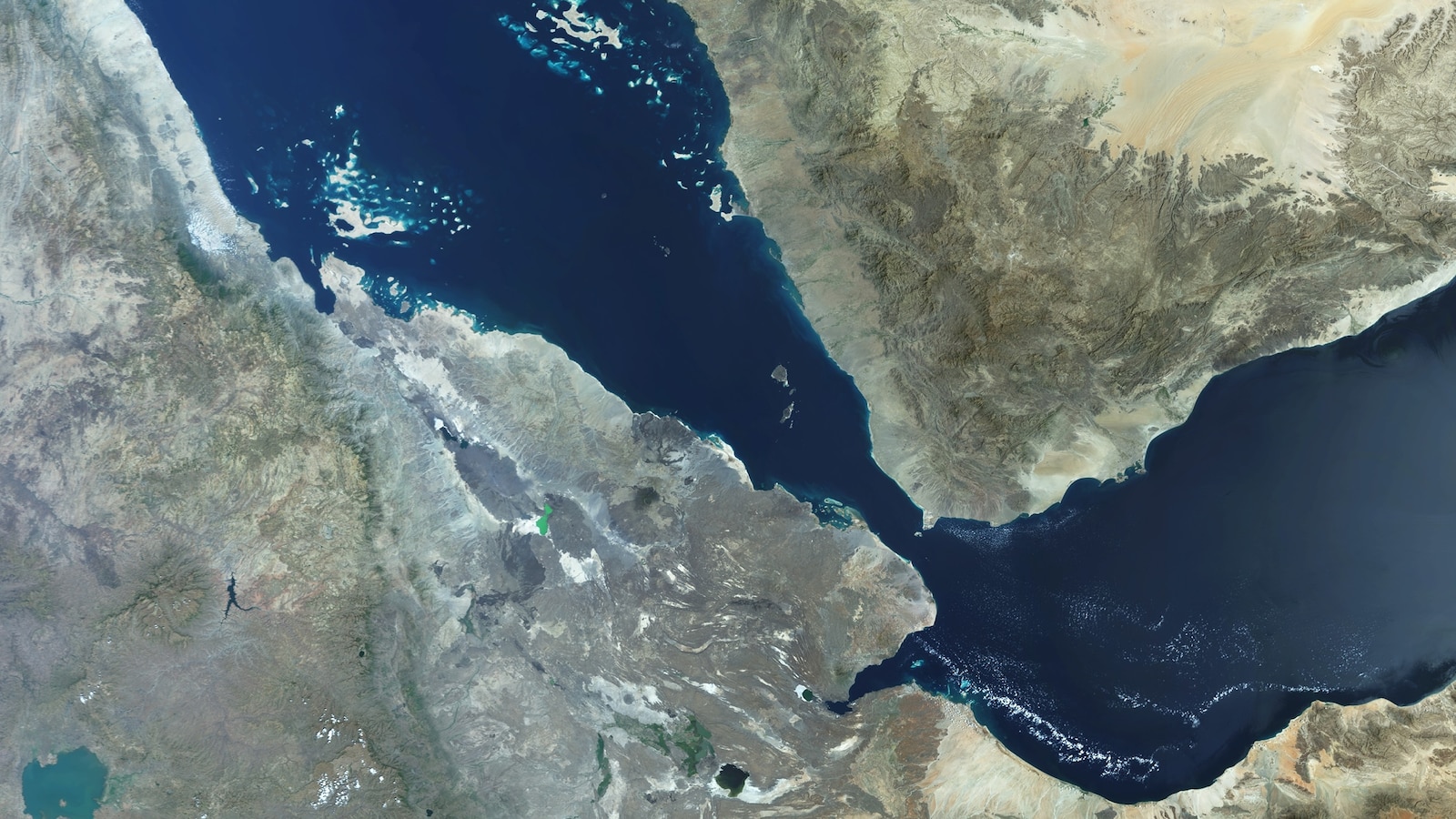
About 13 million barrels per day (bpd) of oil that used to transit the Strait of Hormuz remains unserved, and the Bab-el-Mandeb Strait currently carries ~4 million bpd (~5% of global seaborne oil trade), raising acute supply risk. Analysts warn disruption at Bab-el-Mandeb (or compromise of Yanbu and Fujairah export routes) could make exports 'virtually impossible' and add roughly $20/barrel to oil prices. Key alternative capacities: Strait of Hormuz historically ~20m bpd, Saudi East‑West pipeline ~7m bpd capacity (Yanbu flows up to 4.6m bpd vs ~2.5m in early March), Fujairah flows rose from ~2.25m to ~3.2m bpd but are volatile amid attacks.
The market is now pricing a materially higher premium for routes that service Asian demand because marginal export capacity is concentrated on a shrinking set of chokepoints. That concentration amplifies volatility: spot dislocations will show up almost immediately in freight and bunker markets (days–weeks), while durable re‑routing and capex to add pipeline/terminal capacity play out over quarters to years. Expect the crude curve to shift toward steeper near-term backwardation in the most exposed benchmarks, supporting floating storage economics and owners of prompt tonnage.
Second‑order winners are owners/operators of crude tankers and short‑haul shuttle tonnage, operators of alternate export terminals and storage hubs, and insurers/reinsurers writing premium for transits; losers are importers in Asia, basis‑sensitive refiners with tight feedstock access, and container carriers forced into lengthened voyages. Logistics cost pass‑through will compress refining and petrochemical margins unevenly by geography and product slate — petrochemical producers relying on light sweet feedstocks and just‑in‑time supply chains are most at risk. Watch freight rate volatility as an early signal: a sustained jump in Baltic/TD indices will precede equity re‑rating for shipping names.
Tail risks and catalysts are asymmetric: a short, sharp military/diplomatic resolution or coordinated SPR release can quickly unwind premia (days–weeks), whereas durable rerouting, pipeline utilization limits and insurance market repricing create multi‑quarter structural impacts. Position sizing should reflect that reversals can be violent; hedge costs are currently a small fraction of potential downside protection versus outright directional exposure. Monitor on‑the‑ground convoy protection announcements, charterparty rollovers and insurer war‑risk premium moves as high‑frequency catalysts.
AI-powered research, real-time alerts, and portfolio analytics for institutional investors.
Request DemoOverall Sentiment
strongly negative
Sentiment Score
-0.70
Ticker Sentiment
