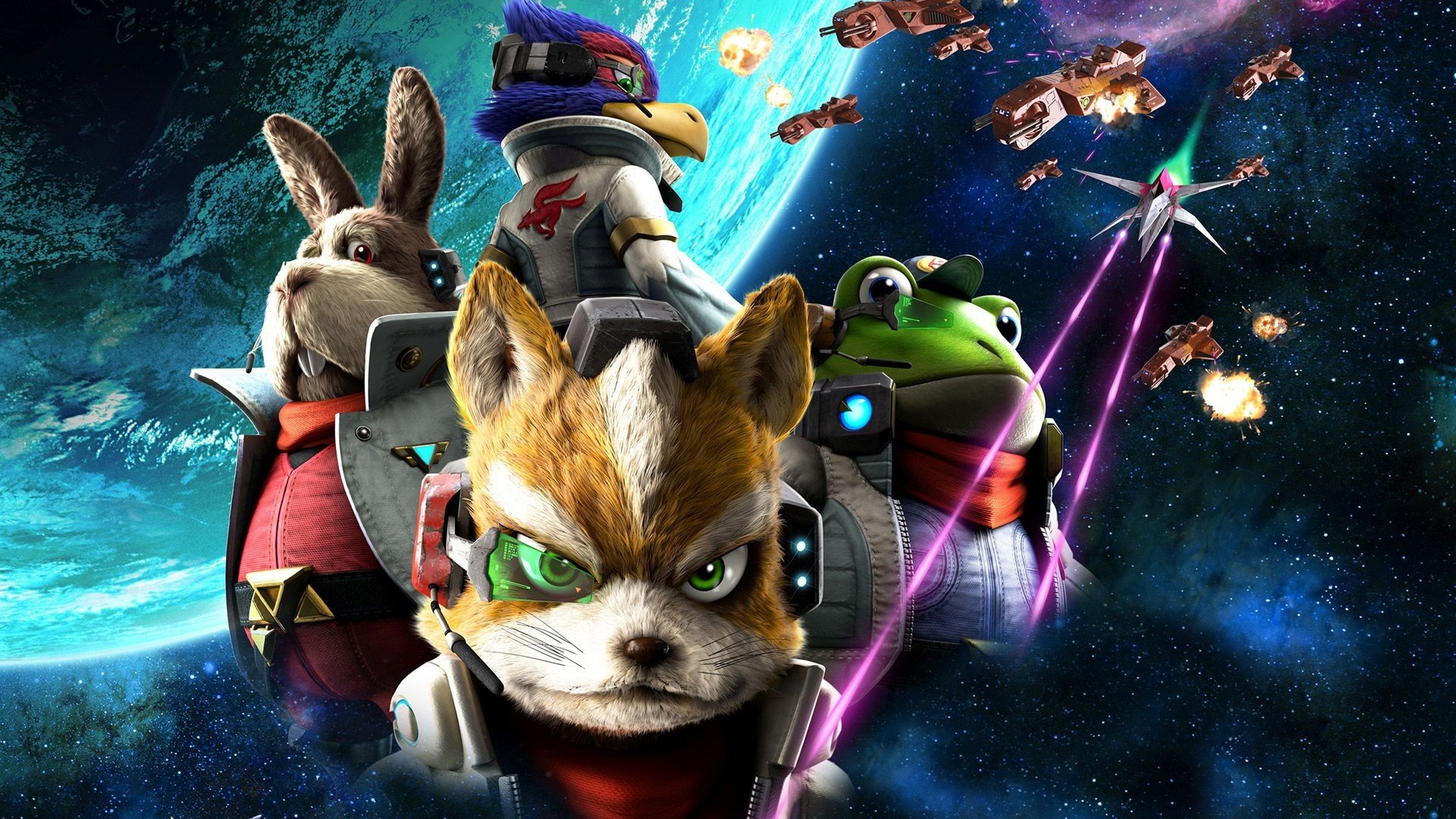
Nintendo is reportedly planning a major The Legend of Zelda: Ocarina of Time remake for Switch 2 in H2 2026 and a 'classic-style' Star Fox with online multiplayer for Summer 2026, while a new 3D Mario title is pushed to 2027. The information comes from an industry insider ('Natethehate') and aligns with other reporting but remains unconfirmed; these releases could modestly boost Switch 2 demand into the holidays if accurate, though near-term market impact is likely limited.
Treat the latest slate shift as a re-timing of cashflows rather than a binary hit/miss for the franchise — swapping a freshly designed marquee title for a legacy-focused release compresses near-term console-led upside and pushes the highest-margin ‘‘system seller’’ lift into 2027. Expect a measurable dent in Switch‑2 sell‑through velocity over the next 6–12 months versus a world with a new flagship IP; historically, first‑party flagship launches can accelerate attach rates by low‑tens of percent in the first holiday window, so absent that boost inventory turns and marketing ROI will be the variable to watch.
Hardware suppliers and foundries will see demand concentrated into a different seasonal profile: mid‑year inventory buildups for a summer title and a second spike into holiday require reworking capacity and component procurements. That creates a 2–3 quarter demand tailwind for SoC and assembly spend (benefiting foundry/contract manufacturers) but also increases working‑capital risk for retailers if consumer upgrade take‑rates cool.
On the monetization side, leaning on a nostalgia/remaster release with online multiplayer opens a lower‑risk path to higher digital attach rates and recurring revenue, but the ceiling per unit is lower than a breakthrough new IP. Converting even ~10% of purchasers into paid online or digital DLC could boost software gross margin contribution meaningfully, yet the franchise’s long‑term revenue growth still depends on cadence of truly new experiences.
Primary near‑term catalysts: Nintendo’s June communications, Switch‑2 sell‑through and inventory data in Q3, and early review/engagement metrics post‑release; tail risks are development delays or a reception miss that transfer expected 2026 revenues into 2027 (and compress margins). The market will overreact to headline timing; disciplined event‑driven sizing will be rewarded.
AI-powered research, real-time alerts, and portfolio analytics for institutional investors.
Request DemoOverall Sentiment
neutral
Sentiment Score
0.05
