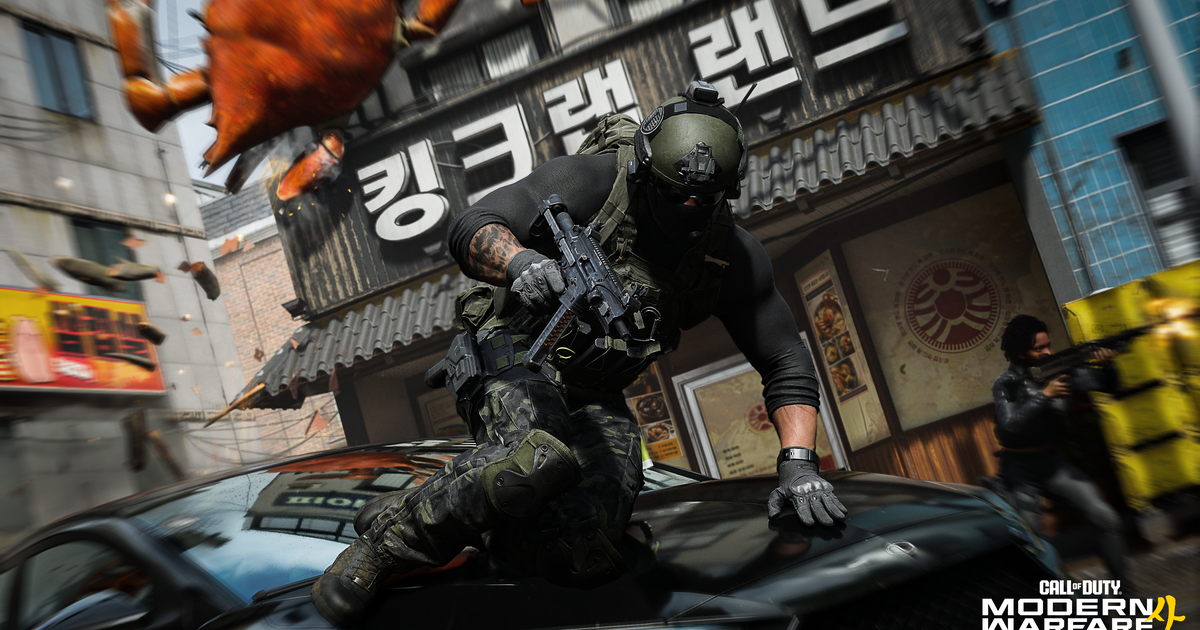
Call of Duty: Modern Warfare 4 is set to launch on 23 October 2026 for Xbox Series X/S, PS5, PC, and Nintendo Switch 2, with Activision and Infinity Ward emphasizing a more authentic, grounded approach to cosmetics and collaborations. The game will include campaign, multiplayer, and the return of DMZ, plus movement improvements, apex attachments, and a new bullet trajectory system that removes random weapon bloom. The messaging is aimed at reassuring players after prior crossover controversies, but the article is primarily a product and brand-positioning update with limited near-term market impact.
This is less about one game launch than about Activision trying to re-anchor a declining monetization flywheel. The message is a signal to high-value core users that the company is willing to sacrifice some short-term cosmetic ARPU to defend retention, which matters more in a live-service ecosystem where a small cohort drives a large share of spend. If executed, the mix shift from meme-driven collabs back toward military realism should improve conversion among lapsed console FPS players and reduce brand dilution that can spill over into the next annualized release cycle.
The second-order effect is competitive: Battlefield and other tactical shooters have an opening if Call of Duty becomes credibly “serious” again, because the market for grounded military shooters is not zero-sum but highly attention constrained. The bigger risk for Activision is self-inflicted credibility loss; once users believe the brand promise is marketing theater, the monetization penalty arrives with a lag of 1-3 quarters as battle pass attach rates and cosmetic conversion soften. The new gameplay systems are a potential offset, but only if they translate into measurable skill expression and reduce RNG frustration; otherwise the realism stance becomes a cosmetic change rather than a retention upgrade.
The contrarian view is that this is not actually bearish for collabs long term; it is a reset of the base layer before reintroducing higher-variance IP partnerships in a more controlled way. Management is likely trying to protect the core audience ahead of a major platform expansion, and the launch window gives them roughly 6-12 months to shape expectations before monetization scrutiny intensifies. The key catalyst to watch is pre-order and beta engagement versus prior title cohorts; if those inflect upward, the market may underappreciate how much pricing power a cleaner franchise identity restores.
From a portfolio lens, the cleanest expression is not a direct game bet but a relative-value read on quality of execution versus perception. If the company succeeds, this supports sustained bookings resilience and a higher multiple for the publisher versus broader interactive entertainment peers; if it fails, the downside is mostly through engagement and live-ops, not the launch itself.
AI-powered research, real-time alerts, and portfolio analytics for institutional investors.
Request TrialOverall Sentiment
mildly positive
Sentiment Score
0.15
