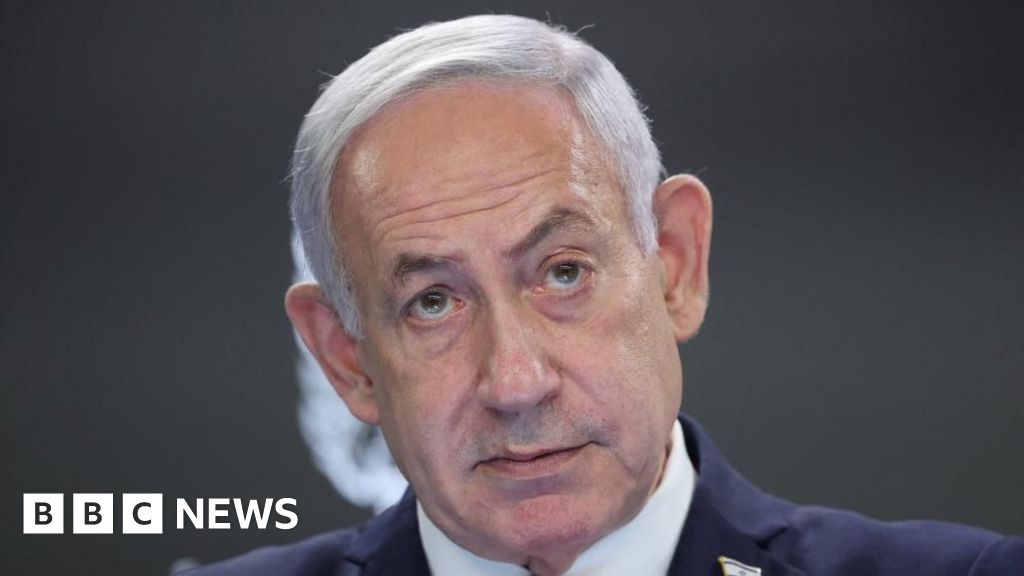
Israeli Prime Minister Netanyahu has initiated negotiations for the release of all hostages and an end to the Gaza conflict on terms acceptable to Israel, explicitly not accepting Hamas's prior agreement to a partial ceasefire deal. Simultaneously, Israel has approved plans for a significant military assault on Gaza City, indicating a continued, decisive offensive despite international opposition. This dual approach underscores Israel's commitment to its war aims, including the disarming of Hamas and control over Gaza's future governance, suggesting sustained geopolitical risk and humanitarian challenges in the region.
The Israeli government is pursuing a dual-track strategy of escalating military action while initiating new, more stringent negotiations for a hostage release, signaling a hardening of its stance and a prolonged conflict. Prime Minister Netanyahu's rejection of the prior 60-day ceasefire deal, which involved a partial hostage release, in favor of talks demanding the release of all hostages, underscores the significant gap between the parties. Simultaneously, the approval of a major military assault on Gaza City, requiring the potential evacuation of one million residents, reinforces a commitment to the stated war aims of disarming Hamas and establishing long-term security control. This approach, which correlates with the strongly negative sentiment score (-0.7) and high market impact score (0.7), points to sustained geopolitical instability in the Middle East, with significant humanitarian implications that could attract further international scrutiny and complicate diplomatic efforts.
AI-powered research, real-time alerts, and portfolio analytics for institutional investors.
Request DemoOverall Sentiment
strongly negative
Sentiment Score
-0.70
