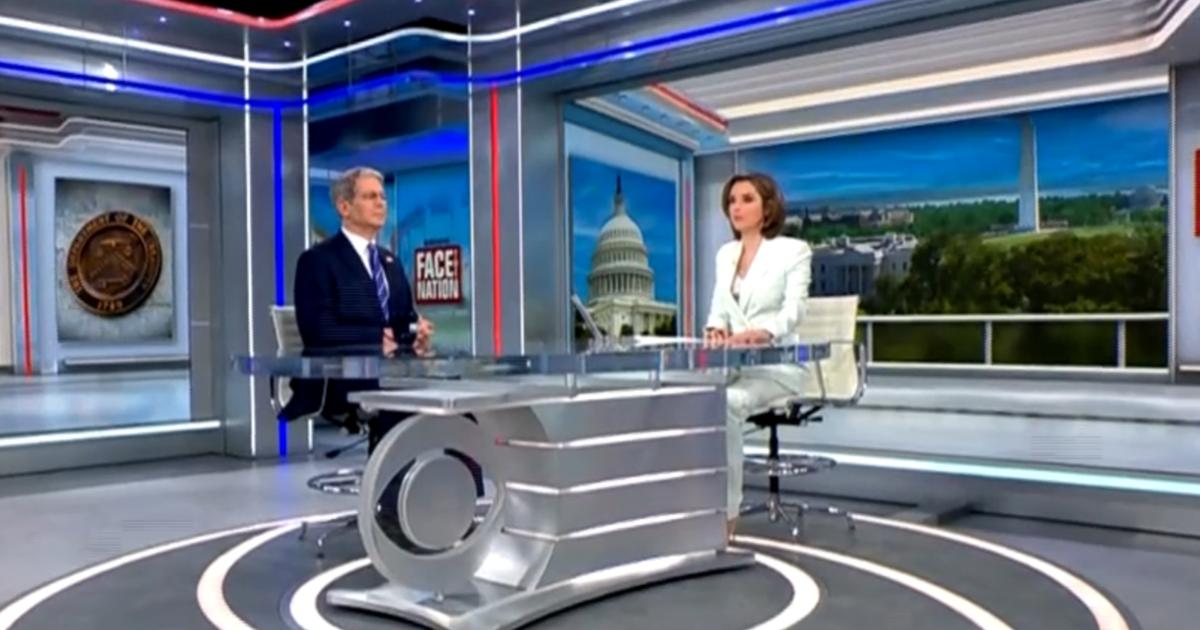
Treasury Secretary Bessent defended the administration's tariff policies amid retailer warnings of potential price hikes, citing examples of companies like Home Depot and Amazon absorbing costs, while others like Walmart and Best Buy signal possible increases. President Trump recently doubled tariffs on foreign steel to 50% and accused China of violating trade agreements by restricting critical exports, leading to retaliatory tariffs. Bessent maintains the goal is to "de-risk" from China, not decouple, emphasizing national and economic security, despite industry concerns about the impact on consumer prices.
The ongoing escalation of U.S. tariff policy, exemplified by the recent doubling of foreign steel tariffs to 50% and accusations against China for violating trade agreements by withholding critical exports, creates a bifurcated outlook for the retail sector. Treasury Secretary Bessent's defense of these "de-risking" measures highlights a divergence in corporate responses: companies like Home Depot (HD) and Amazon (AMZN) are reportedly absorbing additional costs, reflected in their positive sentiment scores (0.5), while Walmart (WMT), Best Buy (BBY), and Target (TGT) have signaled potential price increases to consumers, aligning with their negative sentiment scores (-0.5). This trade friction, which previously saw U.S. tariffs on Chinese goods reach 145% (now eased to 30%, including a 10% baseline and a 20% fentanyl-specific levy) and Chinese retaliatory tariffs hit 125% (now 10%), directly impacts import costs and operational strategies. Despite Bessent's claims of falling overall inflation and dismissal of retailer warnings as "worst-case scenarios" offered for legal protection, the Consumer Price Index indicates egg prices remained 49% higher year-over-year as of May 2024, suggesting potential underestimation of inflationary pressures. The administration's defensive tone and the moderately negative overall sentiment (-0.5) underscore the contentious nature and uncertain economic repercussions of these trade policies, which carry a moderate market impact score of 0.6.
AI-powered research, real-time alerts, and portfolio analytics for institutional investors.
Overall Sentiment
moderately negative
Sentiment Score
-0.50
Ticker Sentiment
