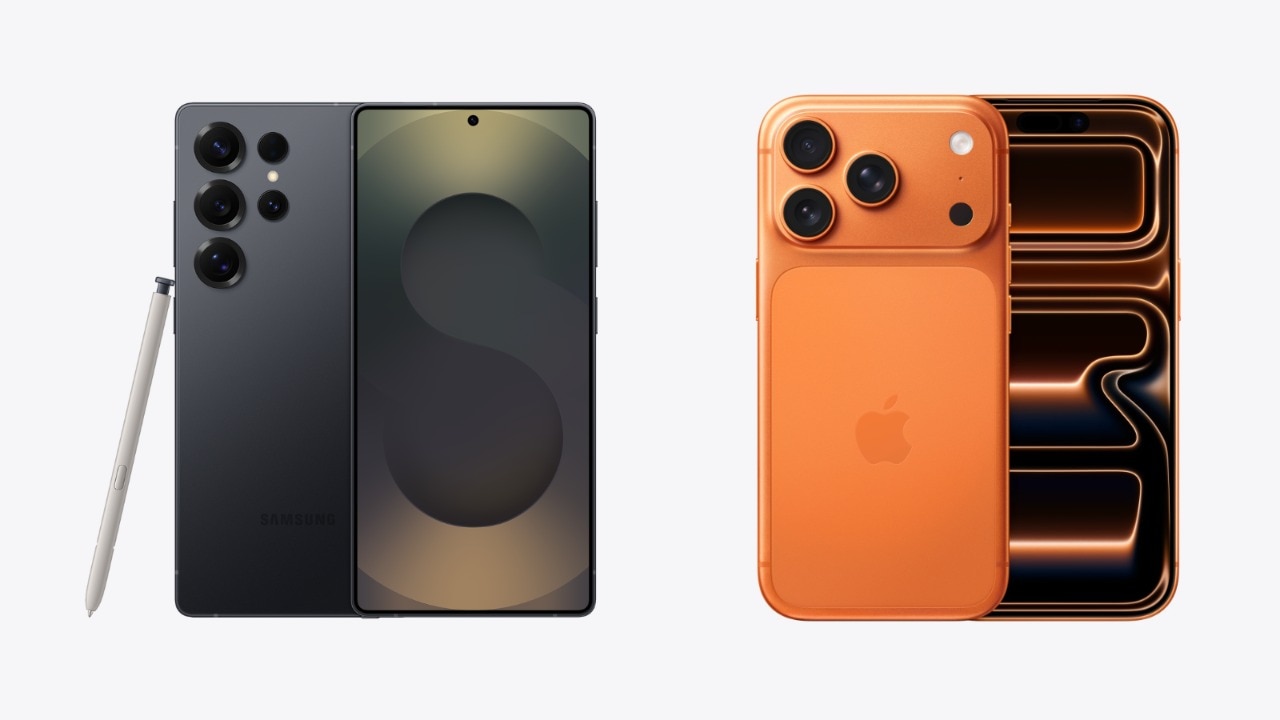
Samsung is reportedly preparing to unveil the Galaxy S26 series (rumoured Feb 25, 2026), with the S26 Ultra potentially matching the iPhone 17 Pro Max on screen size (6.9") and refresh rate (120Hz) while adding a built-in privacy screen and brighter M14 AMOLED panel. Performance may be boosted by a 2nm Exynos 2600 (region-dependent) or Snapdragon 8 Elite Gen 5, camera hardware could feature a 200MP main plus multiple high‑resolution telephoto sensors (including 5x 50MP), and battery/charging upgrades include a 5,000mAh cell with up to 60W wired and Qi2 wireless; Samsung also plans expanded AI features (Gemini live). For investors, the story signals an intensifying hardware and AI-driven competitive push versus Apple that could influence product-cycle sentiment for both companies, though details remain based on leaks rather than confirmed specs.
Market structure: Samsung’s S26 Ultra (Feb 25, 2026 launch) raises the competitive bar on display, charging, camera and AI — direct beneficiaries are Snapdragon (QCOM) in non-Exynos markets, Google/Alphabet (GOOGL) via Gemini integrations, and capital-equipment suppliers (ASML, LRCX/TEL) over 12–24 months as 2nm ramp requires advanced tooling. Apple (AAPL) is the near-term loser in flagship premium share and pricing power; I model a plausible 1–3% global flagship share shift from Apple to Samsung through 2026–2027 if reviews and carrier subsidies favor Galaxy.
Risk assessment: Near-term (days–weeks) volatility around product reveal and pre-orders; short-term (1–3 months) downside if Exynos 2nm is delayed or reviews criticize camera/AI; long-term (12–36 months) regulatory or supply-chain shifts (antitrust, export controls, foundry failures) are low-probability, high-impact tails. Hidden dependencies include regional CPU splits (Exynos vs Snapdragon) that create uneven sell-through and component concentration risk (camera sensors, RF chips). Key catalysts: Jan–Mar 2026 pre-order data, first teardowns, and carrier subsidy announcements.
Trade implications: Favor long exposure to QCOM (Snapdragon share of Galaxy in large regions) and ASML/TSM (capex for 2nm) over 6–24 months; hedge with modest AAPL protection rather than naked short given ecosystem stickiness. Use event-driven option structures around Feb 25 to capture elevated IV: buy QCOM Apr 2026 calls and buy a cheap AAPL Jan 2027 put spread as downside insurance. Reweight mobile suppliers (components, AI/cloud names) into cyclical tech exposure.
Contrarian view: Markets may over-emphasize single-product impact and underprice Apple’s ecosystem defensibility — a material Apple revenue hit requires >5% share loss across multiple quarters, which is low probability. Historical parallels (Galaxy flagship cycles vs iPhone) show one-generation feature parity rarely causes lasting share erosion. Therefore prefer relative-value and hedged trades over outright large AAPL shorts to avoid being crushed by ecosystem inertia.
AI-powered research, real-time alerts, and portfolio analytics for institutional investors.
Request DemoOverall Sentiment
mildly positive
Sentiment Score
0.30
Ticker Sentiment
