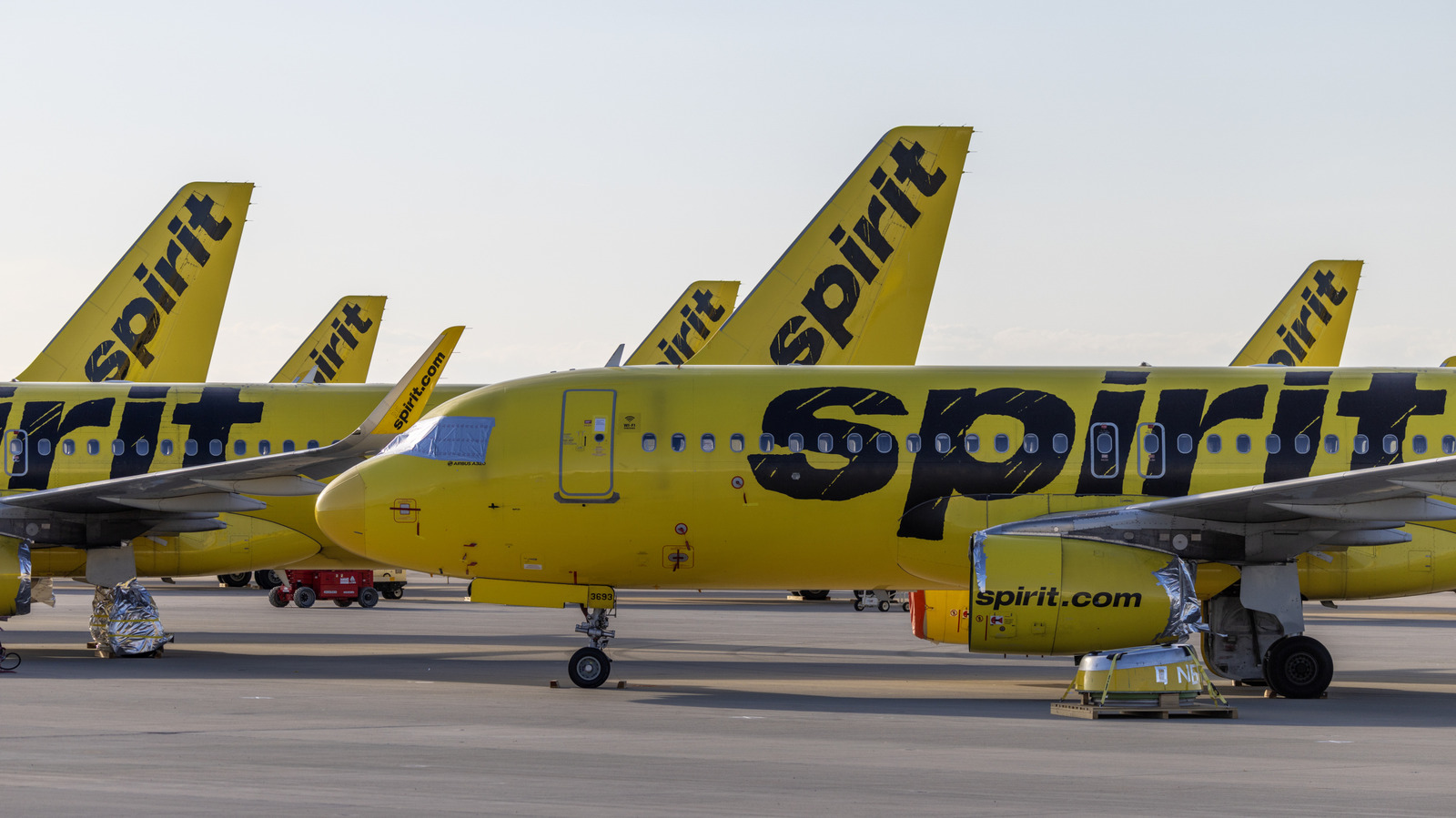
Spirit Airlines' collapse left Arnold Palmer Regional Airport with no commercial flights, forcing the airport to rely on charter and private aviation until a new carrier can be secured. The airport warned of a likely workforce reduction and is counting on a $22 million expansion opening in July to help attract replacement service. Breeze Airways has already moved to absorb some of Spirit's vacated routes, including four newly announced routes and prior entry at Atlantic City International Airport.
The immediate loser is not just the airline but the network of small airports that were economically anchored to a single ultra-low-cost carrier. When that anchor disappears, the first-order pain is local payroll and airport utilization, but the second-order effect is more important: airports lose bargaining power and may need to subsidize incentives, marketing support, or fee holidays to lure a replacement, compressing margins across the regional airport ecosystem. This also creates a temporary vacuum in price-sensitive leisure travel where incumbents can selectively reprice without triggering meaningful demand destruction.
The likely beneficiaries are the next tier of ultra-low-cost and value carriers that can move quickly into orphaned markets, especially operators with flexible fleets and a willingness to take marginal routes. The key second-order dynamic is that these routes are often not high-traffic enough for legacy carriers, so the replacement winner is usually a structurally lower-cost airline rather than a major network carrier; that can extend the life of ULCC pricing discipline even as one player exits. Over the next 1-3 quarters, the most attractive economics should accrue to airlines that can redeploy capacity into these pockets without materially increasing CASM or diluting load factors.
The market may be underestimating how asymmetric the event is for landlords, airport authorities, and service vendors versus equity investors in airline peers. Airport cash burn and workforce reductions can become a localized negative feedback loop: fewer flights reduce non-aeronautical revenue, which reduces service quality, which slows carrier re-entry. In contrast, airlines with strong balance sheets can be opportunistic here because route acquisition costs are effectively being paid by the distressed competitor’s retreat.
The contrarian view is that the headline may overstate permanent capacity loss; if fuel prices stay contained and demand remains resilient, replacement capacity could show up faster than expected, limiting the duration of any fare premium. Still, the real risk is not missing one airport story but misreading the broader signal: consolidation and exits in ultra-low-cost aviation can support pricing rationality industry-wide, which is bullish for surviving carriers' margins even if growth slows.
AI-powered research, real-time alerts, and portfolio analytics for institutional investors.
Request DemoOverall Sentiment
strongly negative
Sentiment Score
-0.55
