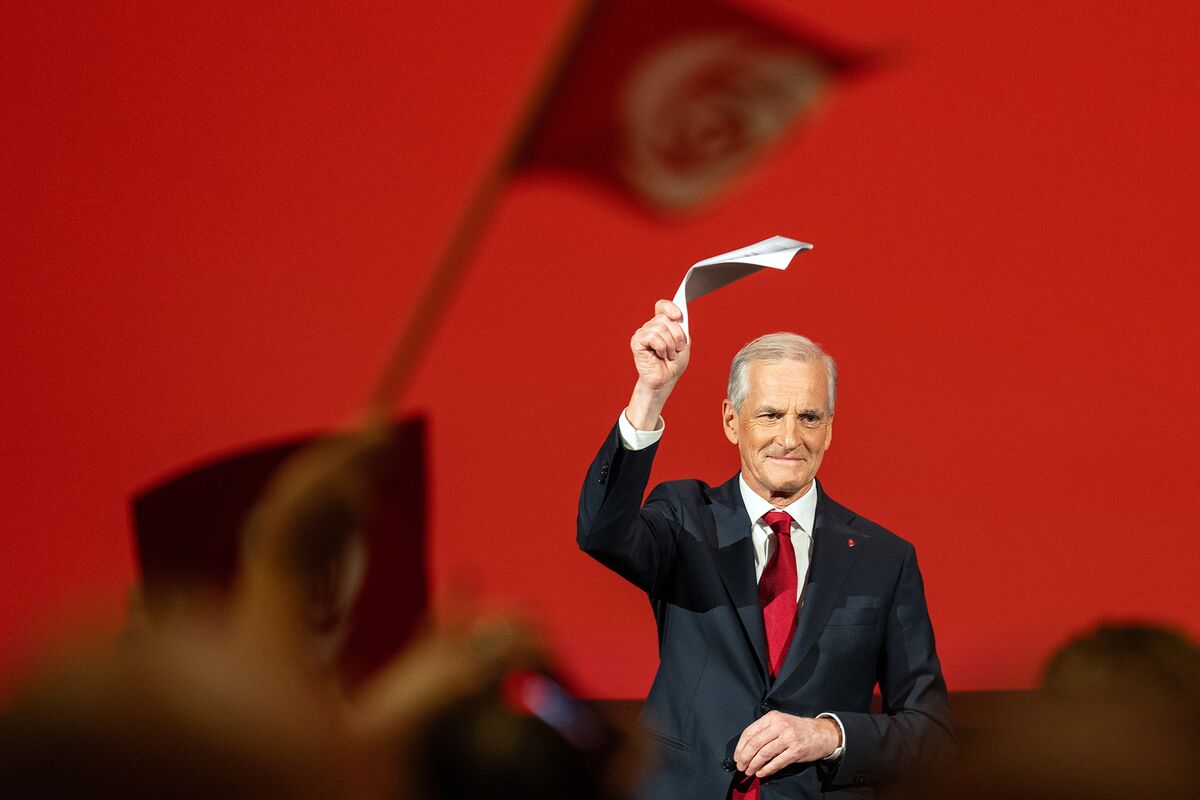
Norway's reelected Prime Minister Jonas Gahr Store is forming a minority cabinet, necessitating negotiations with four smaller political allies to secure parliamentary support. This outcome, following his Labor Party's previous partner's electoral setback, signals a period of increased political negotiation and potential policy compromises, which could affect legislative efficiency and economic policy direction over the next four years.
Following the recent election, Norway's political landscape is set for a period of heightened negotiation and potential policy uncertainty. Prime Minister Jonas Gahr Store's reelected Labor Party must now operate as a minority cabinet, a direct consequence of the electoral underperformance of its previous partner, the Center Party. This new political reality necessitates that the government secure support from four smaller allied parties on a case-by-case basis to pass legislation. This dynamic signals a shift towards a more fragmented and challenging legislative environment, likely resulting in what the article terms 'political haggling.' For investors, this implies a government that may be less decisive and more prone to policy compromises, potentially impacting the speed and substance of fiscal, regulatory, and economic reforms over the next four-year term. The neutral sentiment and low market impact score suggest the market views this as a manageable political evolution rather than a significant crisis, but the potential for legislative gridlock remains a key factor to monitor.
AI-powered research, real-time alerts, and portfolio analytics for institutional investors.
Request DemoOverall Sentiment
neutral
Sentiment Score
0.00
