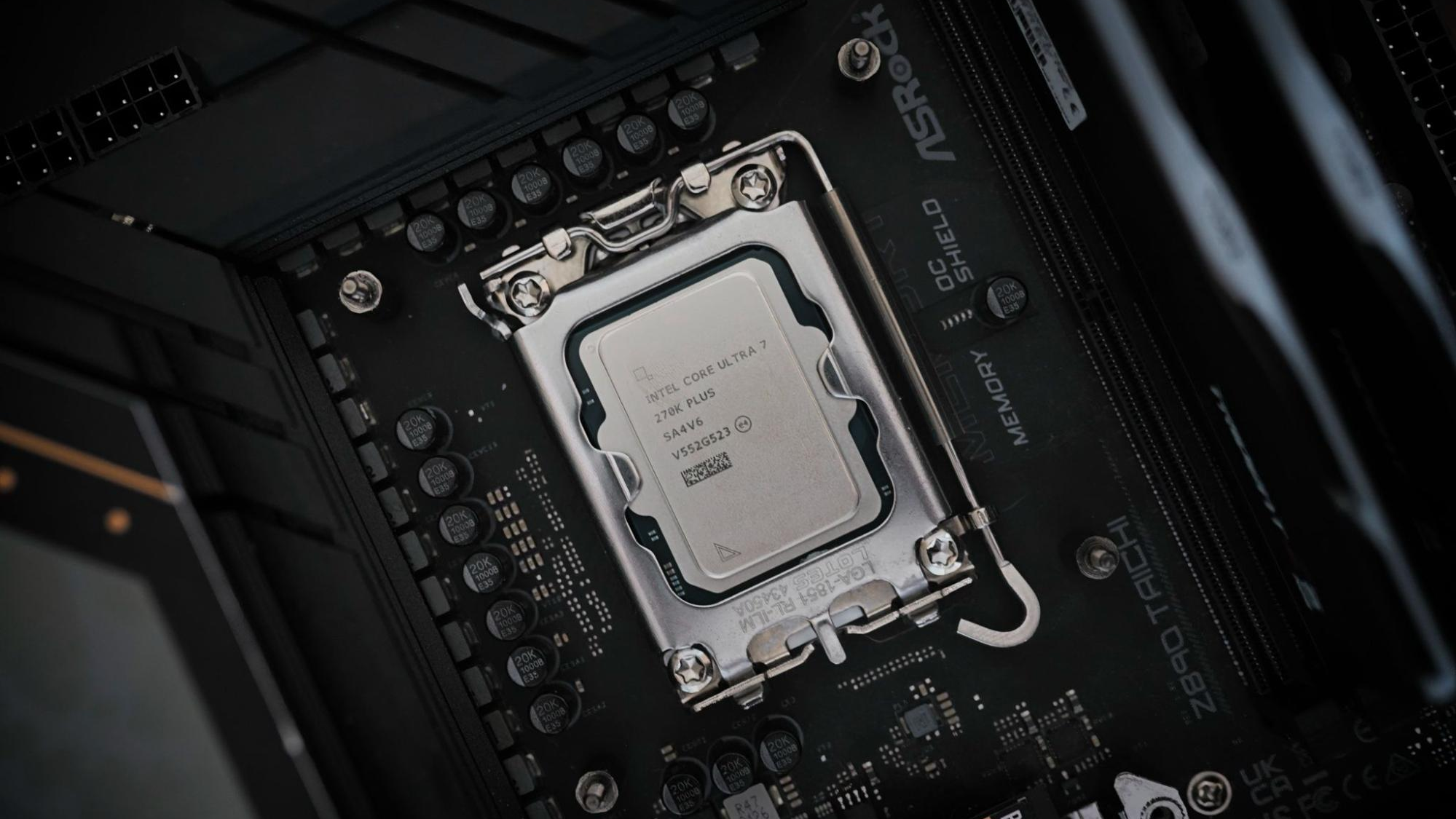
Geekbench's investigation attributes up to a 30% performance uplift in specific subtests to Intel's iBOT re-vectorizing binaries; overall Geekbench 6.3 scores rose ~5.5% (single and multithreaded) on a Core Ultra 9 386H. Notable subtest jumps include object removal +24.6% and HDR processing +28.5%; HDR instruction mix shifted with scalar instructions falling ~62% and vector instructions rising ~1,366% (from 1.25B to 18.3B vector instructions across 100 runs). iBOT incurs an initial startup delay (≈40s first run, ≈2s subsequent), only targets specific executables/versions via checksum, produced no gain on Geekbench 6.7, and raises representativeness/ethics concerns about benchmark-driven optimizations.
This episode is less about a single benchmark number and more about a structural shift: vendor-controlled binary tuning breaks the tidy separation between hardware IPC and software behavior, creating a new axis of competitive differentiation that lives inside deployment pipelines rather than inside silicon specs. That favors firms that control both stack and distribution (OS + dev tools) or can rapidly certify large ISV binaries, and it raises the cost for neutral benchmarking and transparent product comparisons.
Near-term market moves will be driven by narrative and reputational risk rather than fundamentals — reviewer backlash, repeated invalidations of comparative tests, and targeted software vendors pushing back can compress perceived value for incumbents doing targeted tuning. Over 3–12 months, watch for two durable reactions: compiler/toolchain vendors ramping aggressive auto-vectorization and ISVs shipping multiple architecture-specific binaries, which will erode any one vendor’s edge unless it becomes a paid service.
Regulatory and platform-integration second-order effects are material. Checksum-based, per-binary tuning invites scrutiny from antitrust and cybersecurity teams (anti-cheat, enterprise integrity) and will likely trigger policy or contractual responses from large OEMs and cloud customers over the next 6–18 months, creating both legal risk and an opportunity to monetize optimization as a licensed service.
A constructive contrarian: if tooling and ISV practices adapt quickly, the temporary performance delta collapses and the narrative may flip to “Intel solved a hard engineering problem” — enabling them to monetize the capability. The speed of compiler adoption (LLVM/GCC) and major ISV recompiles are the two variables that will decide whether this becomes a durable moat or a short-lived public-relations problem.
AI-powered research, real-time alerts, and portfolio analytics for institutional investors.
Request DemoOverall Sentiment
mildly negative
Sentiment Score
-0.15
Ticker Sentiment
