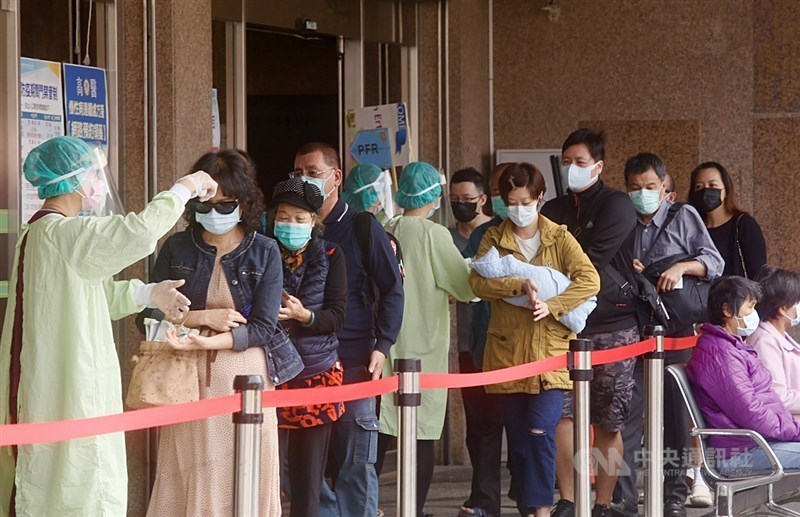
Taiwan's CDC has proposed listing Nipah virus infection as a Category 5 notifiable disease, triggering a 60-day public comment period before implementation; the virus has been on priority surveillance in Taiwan since 2018. The move follows a small outbreak in India’s West Bengal (five confirmed cases as of Jan. 19) while Taiwan maintains a Level 2 travel advisory only for Kerala; globally there have been over 750 reported cases since 1998 with an approximate 58% fatality rate. The classification would require immediate reporting and special control measures, and Taiwanese authorities cautioned travelers to avoid raw/unheated foods (notably raw coconut juice) and medical facilities in affected areas if transmission patterns change.
Market structure: Near-term winners are diagnostics and biodefense contractors (rapid test kit makers, contract manufacturers) due to an expected spike in testing and hospital-preparedness spending; losers are narrow-exposure travel & hospitality names tied to India/Taiwan tourism with potential 5–20% downside if advisories widen. Competitive dynamics favor large integrated diagnostics players (scale pricing power for PCR/serology) and CDMOs that can re-prioritize capacity quickly; niche vaccine developers without manufacturing partners risk being sidelined. Cross-asset: expect modest safe-haven bid in govies (Treasury/JGBs) and short-term INR weakness versus USD/TWD if outbreak news intensifies; commodity/PPE suppliers could see order flow but no broad commodities shock.
Risk assessment: Tail risks include sustained human-to-human Nipah transmission prompting travel bans and accelerated biodefense procurement (low prob, high impact); regulatory fast-tracks for countermeasures would materially re-rate small-cap biodefense names. Time horizons: immediate (days) = travel advisory moves and sentiment swings; short (4–12 weeks) = testing and PPE order flow; long (3–12 months) = government contract awards and R&D funding shifts. Hidden dependencies: Lunar New Year travel, hospital containment capacity in India, and Taiwan’s 60-day comment window; catalysts are WHO PHEIC declaration, India case count >20, or Taiwan community cases.
Trade implications: Tactical direct plays: small, size-constrained longs in established diagnostics/biodefense (capture 4–12 week order spikes), paired with micro-shorts in Asia travel ETFs or airline exposure to India. Options: favor 3–6 month calls on select biodefense names and 1–3 month puts on airline/jet ETFs to asymmetrically capture volatility. Entry: initiate within 1–14 days for diagnostics/short-travel; scale or unwind after 30–90 days based on case trajectory.
Contrarian angles: Market likely underestimates durable APAC public-health spend increases if outbreaks recur — benefit to CDMOs and CROs over quarters, not just weeks. Conversely, panic selling in quality regional carriers may be overdone if transmission remains hospital-limited; set buy triggers (e.g., 15% pullback) to add selectively. Historical parallels (MERS, limited Nipah clusters) suggest high fatality but low global spread probability; position sizes should reflect asymmetric odds to avoid allocation blowouts.
AI-powered research, real-time alerts, and portfolio analytics for institutional investors.
Request DemoOverall Sentiment
mildly negative
Sentiment Score
-0.30
