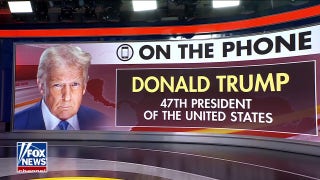
President Trump said U.S. oil majors would spend billions to repair Venezuelan oil infrastructure and that the United States would sell large volumes of Venezuelan oil after ramping up production, highlighting Venezuela’s vast reserves but long-term underinvestment. Chevron, the only U.S. operator currently in Venezuela, issued a guarded statement citing compliance with laws and employee safety, while ExxonMobil and ConocoPhillips did not comment; the U.S. oil embargo remains in force, leaving legal and sanction risk unresolved. For investors, the remarks signal a potential long-term increase in supply if sanctions and commercial conditions change, but near-term market impact is limited by regulatory uncertainty and lack of firm corporate commitments.
Market structure: If U.S. majors gain legal access, Chevron (CVX) and large oilfield services firms are the primary beneficiaries because rebuilding Venezuela likely requires $15–30bn of capex and years of project work. Near-term winners also include heavy‑crude refiners and diluent suppliers; losers are PDVSA bondholders, buyers of discounted Venezuelan heavy crude (China/India/Russia) and regional mid‑cap E&Ps that lack balance-sheet scale. A realistic ramp is 0.5–1.5 mbpd over 2–4 years, which could exert long‑run downward pressure on Brent of ~$3–$10/bbl if realized and demand is steady.
Risk assessment: The dominant tail risk is sustained sanctions/OFAC refusal or renewed expropriation, which makes any capital investment nonrecoverable — a low‑probability but catastrophic outcome for entrants. Short‑term (days–weeks) volatility spikes will follow political/OFAC headlines; medium term (3–12 months) uncertainty centers on licensing and commercial terms; long term (1–4 years) execution risk (integrity of wells, diluent logistics, refinery matches) dominates. Hidden dependencies include heavy crude market access and availability of diluent/transport; Chinese/Russian bilateral deals could blunt U.S. upside.
Trade implications: Tactical asymmetric plays work best — option exposure to CVX for 12–24 months captures upside if sanctions ease while limiting downside if they do not. Relative trades: long integrated majors with U.S. political insulation vs short smaller, geopolitically exposed E&Ps. Volatility trades around catalysts (OFAC announcements, Chevron press releases, PDVSA export reports) offer cheap gamma for 1–3 week windows.
Contrarian angles: The consensus underestimates time and cost to restore Venezuela; headline optimism is likely overdone in the next 6–12 months, so outright long equities without event triggers is risky. Conversely, markets may underprice the long‑dated structural upside if a bipartisan push expedites licensing — creating a mispricing in 12–36 month calls and service‑contractor equities. Historical parallel: post‑sanction reopenings (Iran 2015) delivered multi‑year ramps, not immediate production surges, and produced price relief only after sustained exports increased.
AI-powered research, real-time alerts, and portfolio analytics for institutional investors.
Request DemoOverall Sentiment
mixed
Sentiment Score
0.08
Ticker Sentiment
