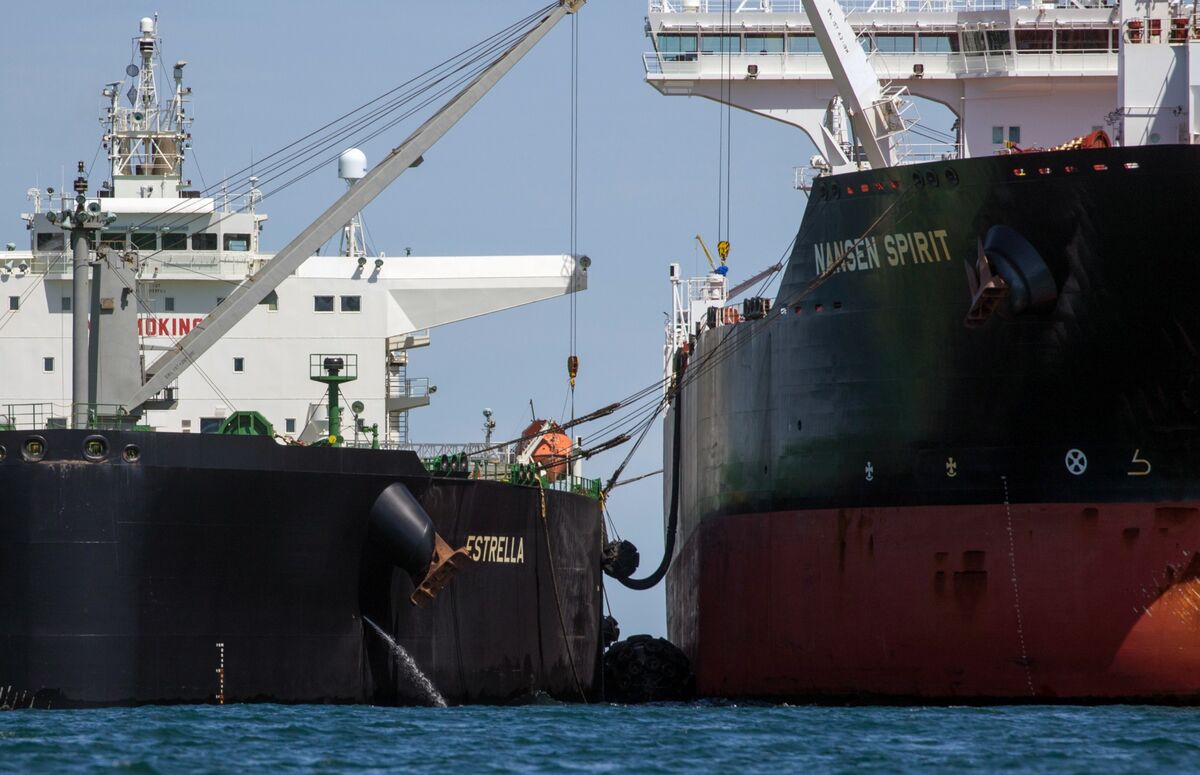
Tanker rates for refined oil products from the Middle East have spiked due to increased risk in the Strait of Hormuz following the exchange of fire between Israel and Iran. Shipping costs from the Middle East to East Asia have risen nearly 20% in three sessions, while rates to East Africa have jumped over 40%, as tanker owners pause vessel offers amid ongoing hostilities.
Tanker rates for refined oil products originating from the Middle East have experienced a significant surge, directly attributable to heightened geopolitical risk in the Strait of Hormuz stemming from the recent exchange of fire between Israel and Iran. Data from the Baltic Exchange indicates a nearly 20% increase in the cost to ship fuels from the Middle East to East Asia over three sessions to Monday, while rates to East Africa have escalated by more than 40% over the same period. This sharp rise reflects the increased perceived danger of traversing the critical waterway, leading tanker owners and managers to pause vessel offerings in the region amidst ongoing hostilities. The situation underscores the immediate impact of regional conflicts on maritime logistics and energy supply chains, introducing considerable uncertainty and volatility into the refined products market, as reflected by a strongly negative sentiment and high market impact score associated with this development.
AI-powered research, real-time alerts, and portfolio analytics for institutional investors.
Request DemoOverall Sentiment
strongly negative
Sentiment Score
-0.60
