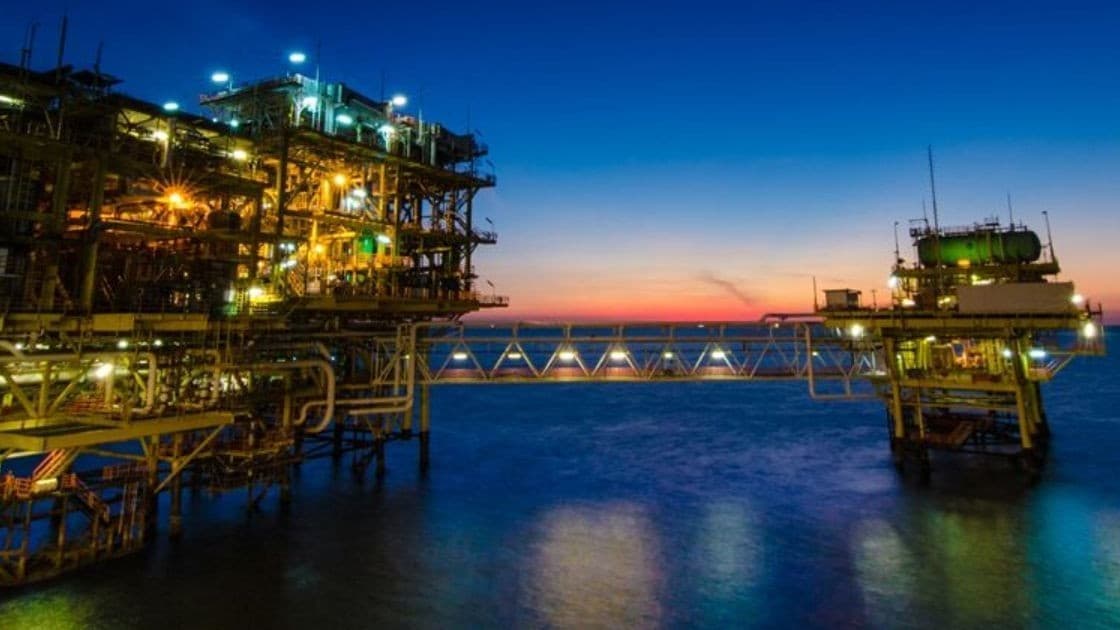
Energy sector YTD returns are +36.5% vs S&P 500 -4.6%, driven by oil majors (Exxon +33.1%, Chevron +28.5%, OXY +49.6%) and European peers (Equinor +69.2%). StanChart estimates the Middle East war has removed ~7.4–8.2 mb/d of oil supply and cut ~20% of global LNG flows, while Saudi pipeline use raises Red Sea transit to 7 mb/d — a material supply shock supporting higher-for-longer oil/gas prices. Structural demand drivers include AI data centers (US power demand from 4 GW in 2024 to 123 GW by 2035, ~30x) and long-term PPAs boosting renewables; uranium ETF URA is +15.4% YTD and +113.7% YoY. Oil & Gas firms’ strict capital discipline and high FCF yields increase resilience and the likelihood that gains persist.
The current energy rally is not just a price shock — it is recasting the economics of power supply and corporate capital allocation. Chokepoint-driven supply scarcity raises real variable shipping and insurance costs (tanker reroutes, longer voyage days) that act like a structural uplift to delivered hydrocarbon prices even if upstream volumes marginally recover; that favors vertically integrated producers and marketing/term-contract specialists over levered drillers.
AI-driven power demand creates a durable, correlated bid for baseload generation and long-duration capacity: hyperscaler PPAs and direct investments convert episodic commodity volatility into multi-decade contracted cashflows for generators and developers that can deliver 24/7 power (nuclear, thermal with carbon management, long-duration storage). This dynamic increases counterparty concentration risk (big-tech credit exposure) and makes offtake-counterparty health a first-order underwriting metric for project returns.
Key tail risks are diplomatic de-escalation (rapid reopening of chokepoints), an accelerated shale restart funded by windfalls, and near-term policy responses (windfall taxes, export curbs). Time horizons differ: shipping/insurance and PPA formation change market mechanics in weeks–months, while grid upgrades and nuclear/hydrogen rollouts play out over multi-year cycles; monitor tanker insurance spreads, PPA tenor and pricing, and monthly LNG flows as high-frequency indicators of durability.
AI-powered research, real-time alerts, and portfolio analytics for institutional investors.
Overall Sentiment
strongly positive
Sentiment Score
0.75
Ticker Sentiment
