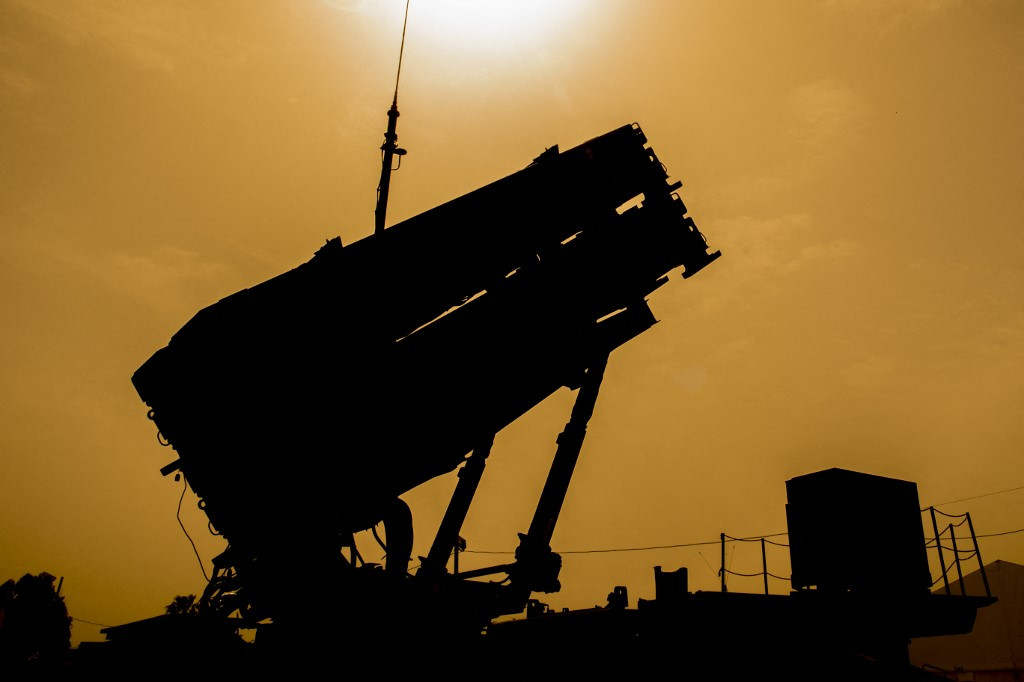
Fire Point aims to field a low-cost air defense system able to intercept its first ballistic missile by 2027 and reduce per-intercept cost to under $1.0M. The company is seeking government approval for a potential $760M investment that would value it at $2.5B (investor reportedly Emirati group Edge) and could fund a satellite launch project. Fire Point reports monthly production capacity up to 2,500 long-range drones (unit cost ~€50k) and Flamingo cruise missiles (~€600k each); it is developing FP-7 (≈300 km) and FP-9 (≈850 km) ballistic missiles. Exports of missile systems face stricter regulatory barriers and the investment/development plans remain at an early, approval-dependent stage.
A credible low-cost anti-missile entrant alters the cost-exchange math across air-defense ecosystems: defenders can buy quantity where previously they bought quality. That shift favors scalable, modular production, commoditized sensors and guidance, and manufacturers that can convert high-volume assembly lines quickly — not necessarily the legacy primes optimized for bespoke, low-rate systems.
Second-order winners are likely to be contract manufacturers, COTS electronics suppliers, and software-heavy integrators that can provide plug-and-play radars, datalinks and battle-management suites; these vendors stand to capture recurring integration and sustainment revenue even if missile OEM ASPs compress. Conversely, entrenched high-margin interceptor franchises may see long-term pricing pressure, especially in regions where fiscal constraints make unit economics decisive.
Key catalysts and risks cluster on certification, export control regimes, and battlefield validation. A fast field-proven deployment would compress procurement cycles and accelerate export approvals in allied states over 12–36 months, but a failed intercept test, sanctions on supply partners, or political reluctance to deviate from established suppliers could reverse adoption expectations quickly.
For investors the actionable horizon is bifurcated: 6–18 months for suppliers and integrators tied to rapid scaling, and 12–48 months for capital markets to re-rate large primes if ASP compression becomes structural. Active position sizing and event-driven hedges around government procurement announcements will be essential because contract awards and regulatory decisions are the most likely near-term catalysts.
AI-powered research, real-time alerts, and portfolio analytics for institutional investors.
Request DemoOverall Sentiment
mildly positive
Sentiment Score
0.25
