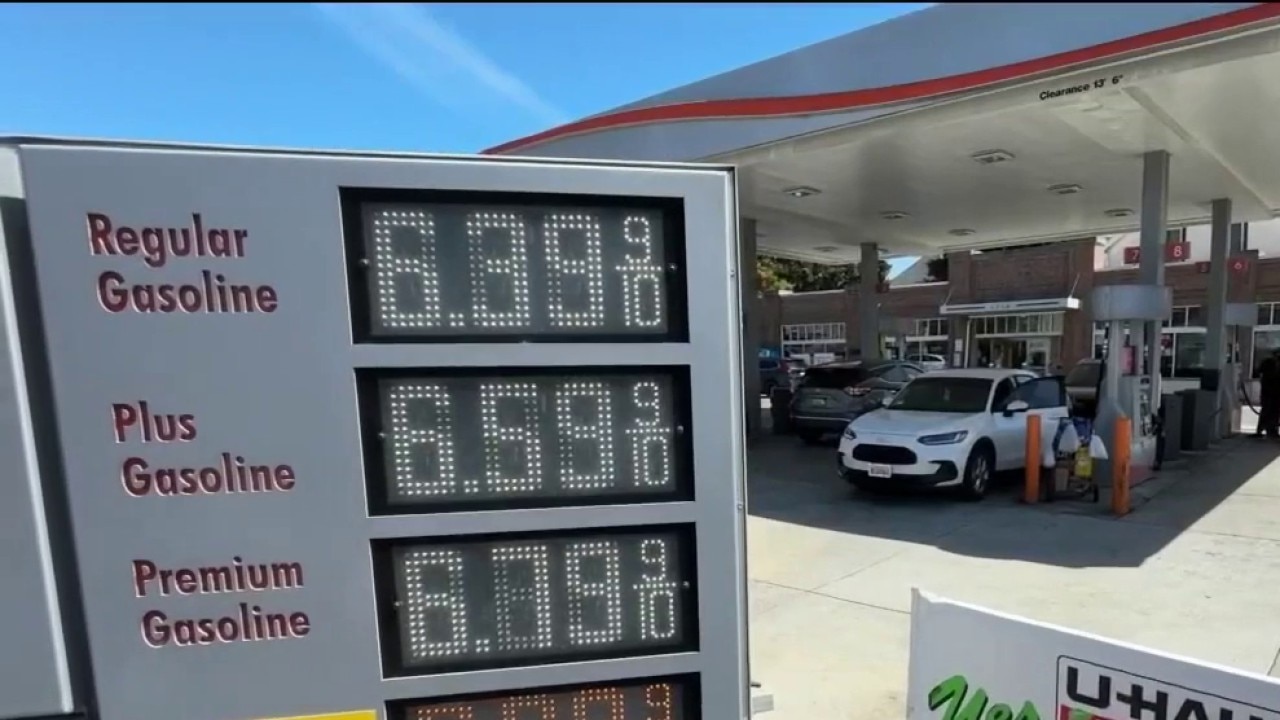
California gas prices are averaging $6.15 per gallon, with the U.S. national average at $4.53, as the Iran conflict and Strait of Hormuz disruption push fuel costs higher. President Trump is urging Congress to temporarily suspend the 18.4-cent federal gas tax, but the plan requires legislative approval and faces concerns over the $23 billion annual revenue stream for highway and transit funding. The proposal could influence fuel markets, consumer spending, and transportation demand, but it is unlikely to be enacted quickly.
The near-term market impact is less about the 18.4-cent tax itself and more about the signal: Washington is moving from passive inflation management to explicit demand-side relief, which implies policymakers see gasoline as a political stress point, not a supply solved problem. That matters because it can temporarily cap consumer sentiment damage, but it also reduces the urgency for conservation and keeps marginal demand firmer into peak driving season, which is mildly supportive for refined product cracks and upstream energy cash flows. The bigger second-order effect is on transportation and municipal balance sheets. If the tax holiday gains traction, highway and transit funding gaps become a live issue, likely widening the spread between politically protected infrastructure spending and economically sensitive transit systems. In the short run, that can be bullish for private mobility and fuel distributors relative to mass transit operators; over months, it can also accelerate deferred maintenance risk, which eventually feeds into toll-road, rail, and municipal capital expenditure needs. The contrarian read is that the headline relief is mostly cosmetic unless crude and refined product supply normalizes. A 18.4-cent cut is immaterial versus multi-dollar retail moves, so the market may initially overprice the policy as demand supportive when the real winner is anything tied to energy scarcity and the real loser is public-sector infrastructure funding. If the Strait-of-Hormuz risk de-escalates or war risk premium fades, this trades off quickly; if not, the tax debate becomes a lagging political response that does little to change price levels over the next 1-2 quarters.
AI-powered research, real-time alerts, and portfolio analytics for institutional investors.
Overall Sentiment
mildly negative
Sentiment Score
-0.25
