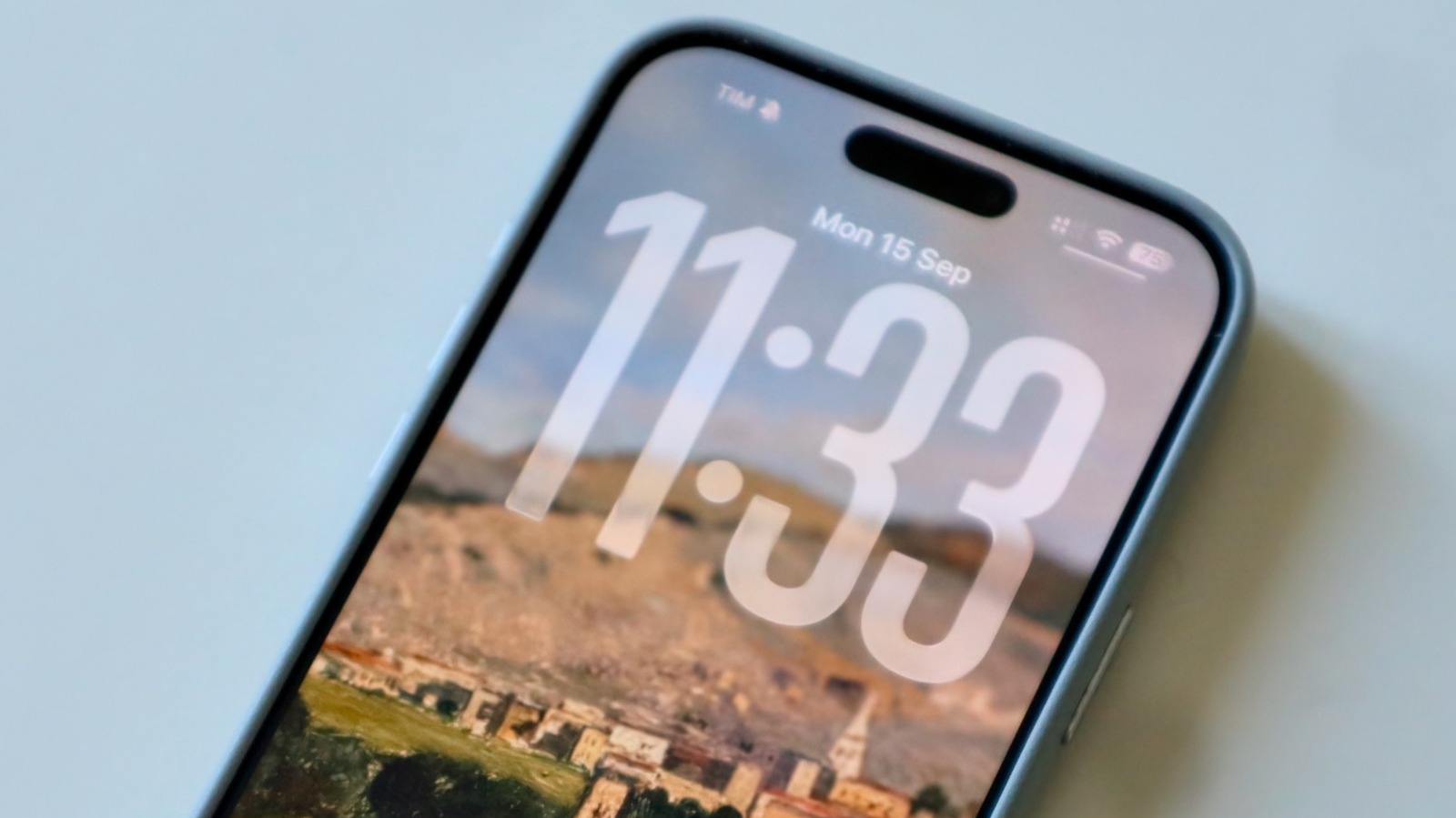
Apple is rolling out iOS 26.5 with six notable features, including end-to-end RCS encryption, new Apple Maps suggestions, updated App Store subscription billing options, easier accessory pairing, Pride wallpapers, and expanded iPhone-to-Android transfer tools. The update also highlights regulatory-driven changes in the EU and Brazil, where Apple must support third-party smartwatch features and app marketplaces. Overall, the release is incrementally positive for Apple’s ecosystem engagement and services monetization, but the market impact should be limited.
The incremental monetization signal is more important than the feature set. Apple is quietly turning the operating system into a higher-intent distribution surface: more secure cross-platform messaging improves stickiness, while location suggestions and subscription billing flexibility increase the number of commercial touches per session. That matters because even modest ARPU expansion on a very large installed base can drive outsized services gross profit without requiring hardware unit growth.
The competitive read-through is mixed but favors Apple on ecosystem retention while leaving Google exposed at the margins. End-to-end encrypted interoperability removes a key objection for mixed-device households, which reduces friction for iPhone users who might otherwise defect for messaging reasons; however, it also narrows one of Google's historical engagement advantages. In Maps, the bigger issue is not feature parity today but whether Apple can convert search and local intent into ad inventory before Google’s AI-assisted routing and recommendation stack widens the relevance gap further.
Regulatory changes in the EU and Brazil are the most underappreciated second-order effect. Mandated third-party smartwatch notifications and alternative app distribution reduce Apple’s gatekeeping rent, but they also increase platform complexity and support costs while forcing Apple to compete on quality rather than exclusivity in select markets. Near term, the revenue mix should still improve because monetization tools and retail-style subscription financing are more immediately scalable than any revenue leakage from sideloading. Over 6-18 months, the key risk is that regulators accelerate a broader template for platform openness, compressing take rates and weakening App Store economics faster than Apple can offset with ads and services attach.
AI-powered research, real-time alerts, and portfolio analytics for institutional investors.
Request DemoOverall Sentiment
mildly positive
Sentiment Score
0.25
Ticker Sentiment
