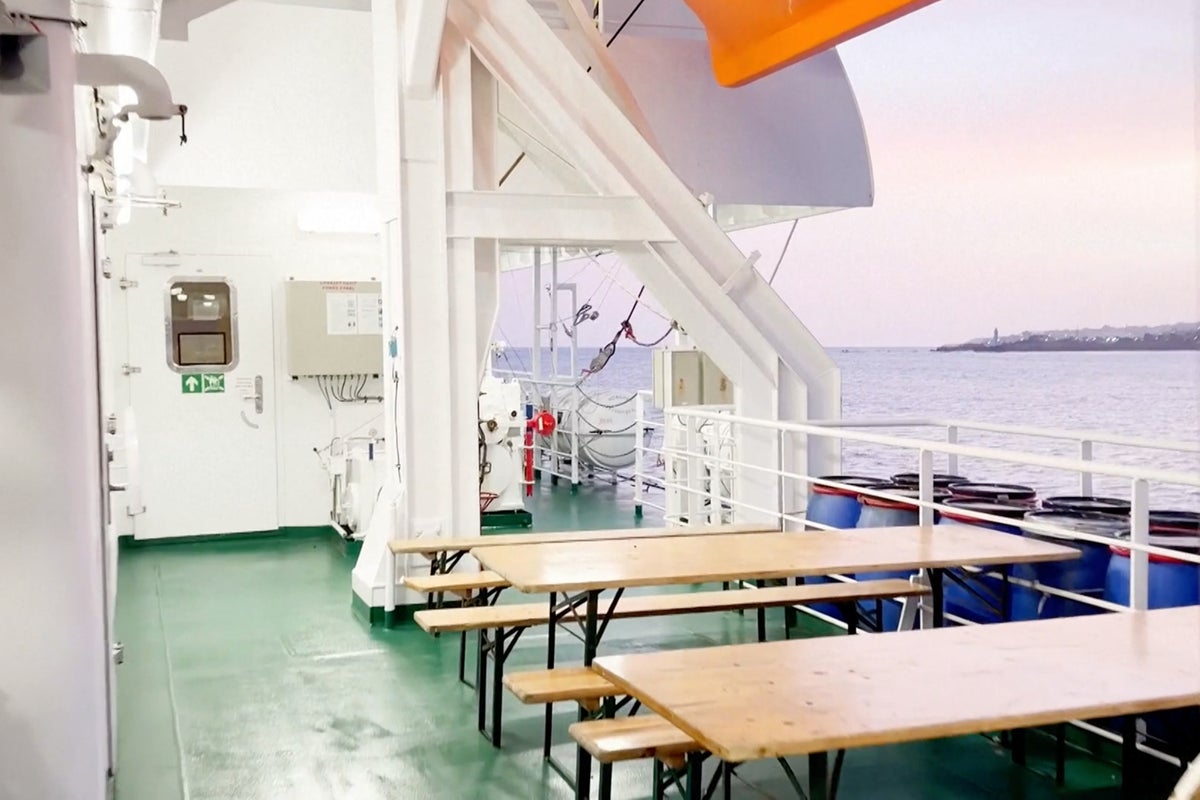
Three passengers have died aboard the MV Hondius after a hantavirus outbreak, leaving passengers largely confined to cabins while the ship awaits evacuation and rerouting to the Canary Islands. Cape Verde has denied disembarkation due to public health concerns, and WHO says two sick individuals still need medical evacuation. The incident is negative for cruise/travel sentiment and highlights operational and biosecurity risks, though the direct market impact is likely limited to the operators involved.
The immediate market read is not about one cruise operator; it is about a temporary but visible shock to the entire expedition-cruise niche, where customer trust is disproportionately fragile and rebooking behavior is highly sensitive to safety headlines. The bigger second-order effect is on destination infrastructure: small ports, tender operators, local transport, and niche tour providers can see abrupt cancellations for weeks after a biosecurity event, even when the incident is operationally contained. That creates a short-duration revenue air pocket for suppliers with high exposure to polar and remote-itinerary capacity. The risk profile is asymmetric because the downside comes fast while the recovery can lag one to two booking cycles. In leisure travel, contagion-style headlines typically depress forward bookings before they affect near-term occupancy, so the most vulnerable names are those with a premium-expedition mix, limited fleet flexibility, and high fixed-cost leverage. Conversely, larger cruise platforms with diversified itineraries and stronger balance sheets can absorb a localized incident with minimal earnings impact, and may even gain share if consumers rotate toward perceived safer, mass-market operators. The contrarian angle is that the actual financial damage may be smaller than the optics imply if authorities contain the episode and no broader travel restrictions follow. The more durable effect is likely underwriting and insurance: higher perceived medical-evacuation and interruption risk can tighten terms for niche operators, raising cost of capital over the next renewal cycle rather than materially hurting current-quarter revenue. That argues for viewing this as a volatility event in a small segment of travel rather than a broad demand shock across leisure.
AI-powered research, real-time alerts, and portfolio analytics for institutional investors.
Overall Sentiment
strongly negative
Sentiment Score
-0.55
