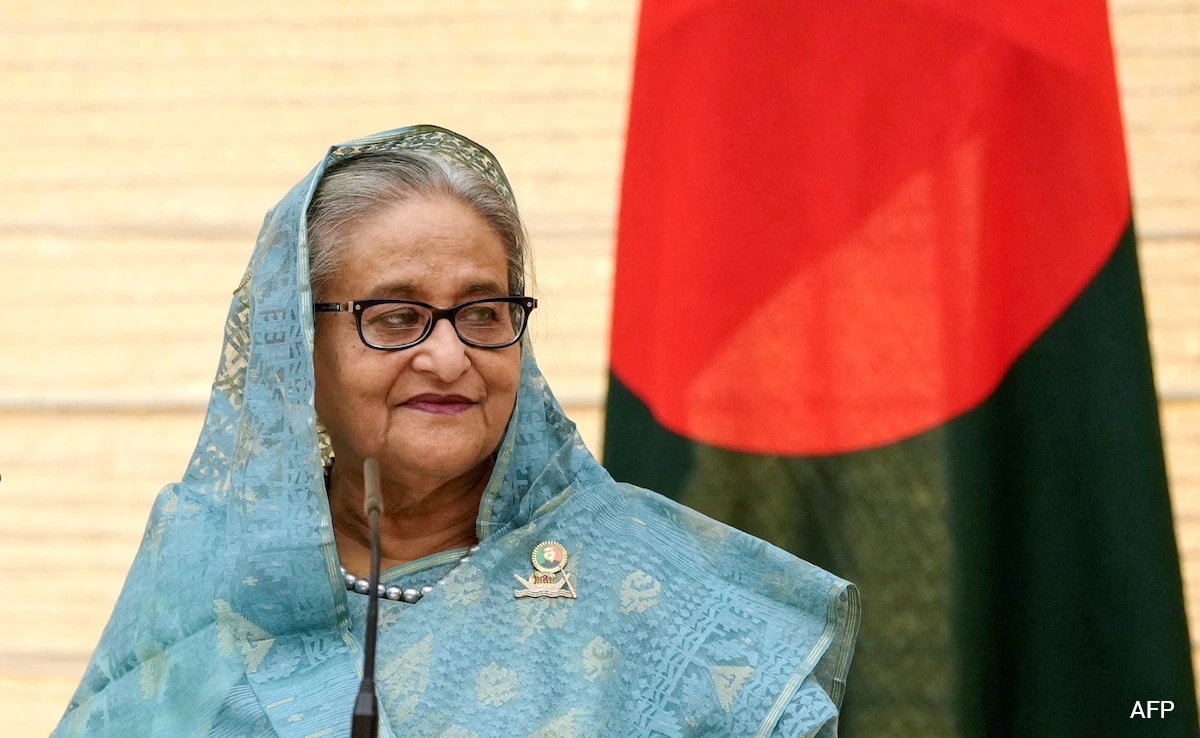
Serious legal, constitutional and procedural defects have been identified in the International Crimes Tribunal-Bangladesh prosecution and death sentence of ousted Prime Minister Sheikh Hasina: the ICT was repurposed under contested post‑5 August 2024 amendments, judges were elevated in breach of constitutional procedure and lacked international‑criminal‑law expertise, prosecutorial appointments and pretrial statements suggest partisan motives, and the defence faced denial of chosen counsel, late evidence disclosure, restricted cross‑examination, trial in absentia and curtailed appeal rights amid a compressed timeline. Coupled with thousands of politically charged cases, alleged arbitrary arrests, custodial deaths, forensic inconsistencies and courtroom violence, the account casts substantial doubt on the tribunal’s legitimacy and signals broader rule‑of‑law and political‑stability risks for Bangladesh.
The article documents extensive procedural and constitutional defects surrounding the International Crimes Tribunal-Bangladesh (ICT-B) death sentence for ousted Prime Minister Sheikh Hasina, citing that post–5 August 2024 Ordinance amendments are invalid ab initio, Parliament was improperly dissolved, and the judiciary experienced forced resignations on 10 August 2024. It details irregular judge appointments—Chairman Golam Mortuza Majumder was elevated to the High Court six days before cases were taken up, two other judges were made permanent contrary to the two‑year probation in Article 98, and 22 judges aligned with Jamaat‑e‑Islami were elevated—while none of the ICT‑B judges have documented international criminal law experience.
Prosecutorial conduct and timelines raise further concerns: Mohammed Tajul Islam and adviser Toby Cadman had prior roles defending Jamaat figures, the ICT ordered an investigation to be completed within one month on 18 November 2024, and pretrial statements by senior officials indicated a predetermined outcome. Defence rights were curtailed—Hasina was denied counsel of choice, state lawyer Md Amir Hossain admitted no contact, prosecution evidence was provided only on 25 June 2025 (roughly five weeks before trial), the trial ran 3 August–23 October 2025 with testimony ending 8 October, proceedings occurred in absentia and appeal access was blocked.
The dossier cites systemic political prosecutions and instability: since 5 August 2024 thousands of politically linked cases were filed including 200+ against Hasina and 1,170+ naming ~400 former ministers/MPs, alleged arbitrary arrests, 11 custodial deaths, forensic inconsistencies, and courtroom violence. ICC referral was not pursued due to case inconsistencies. Together these facts materially elevate rule‑of‑law and political‑stability risk for Bangladesh and, per the provided sentiment data (strongly negative, market_impact_score 0.35), suggest heightened investor caution and potential for adverse market reactions until legal and political clarity is restored.
AI-powered research, real-time alerts, and portfolio analytics for institutional investors.
Request DemoOverall Sentiment
strongly negative
Sentiment Score
-0.75
