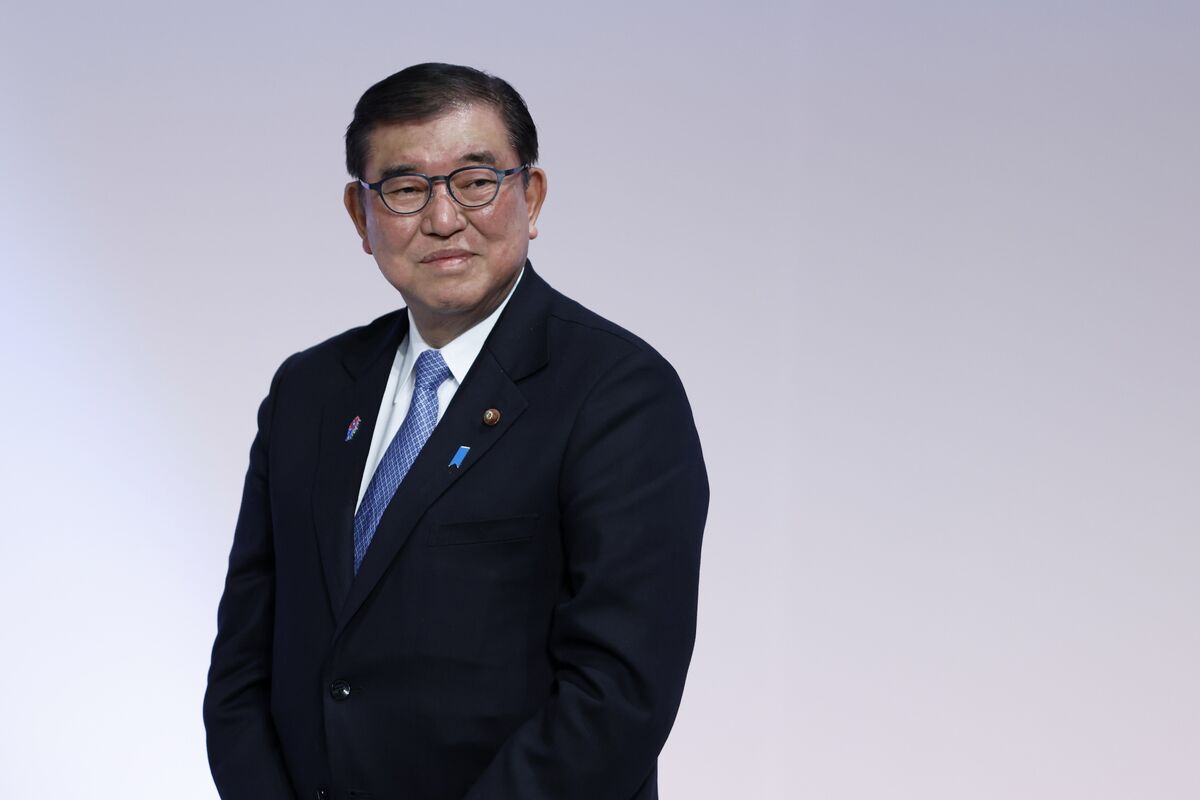
Japan will prioritize protecting its national interests in trade talks with the U.S., according to Prime Minister Shigeru Ishiba, indicating no immediate trade deal is expected. Ishiba concluded two days of meetings at the Group of Seven gathering without a clear path forward, as disagreements persist between Japan and the U.S., particularly with President Trump, who departed early to address Middle East tensions.
Japanese Prime Minister Shigeru Ishiba's declaration that Japan will prioritize its national interests and not rush into a trade deal with the US signals a period of continued negotiation and potential friction. The conclusion of the Group of Seven gathering without a trade agreement or a discernible path towards one, coupled with frank discussions revealing divergent views between Ishiba and US President Donald Trump, underscores the existing impasse. President Trump's early departure from the G7 summit to address Middle East tensions, while a separate issue, limited the window for immediate bilateral resolution at that forum and contributes to a broader backdrop of geopolitical instability. This situation, reflected in a 'mildly negative' sentiment and an 'uncertain' tone from associated data signals, suggests that industries and markets sensitive to US-Japan trade dynamics may face ongoing unpredictability, exacerbated by the 'Trade Policy & Supply Chain' and 'Geopolitics & War' themes highlighted.
AI-powered research, real-time alerts, and portfolio analytics for institutional investors.
Request DemoOverall Sentiment
mildly negative
Sentiment Score
-0.35
