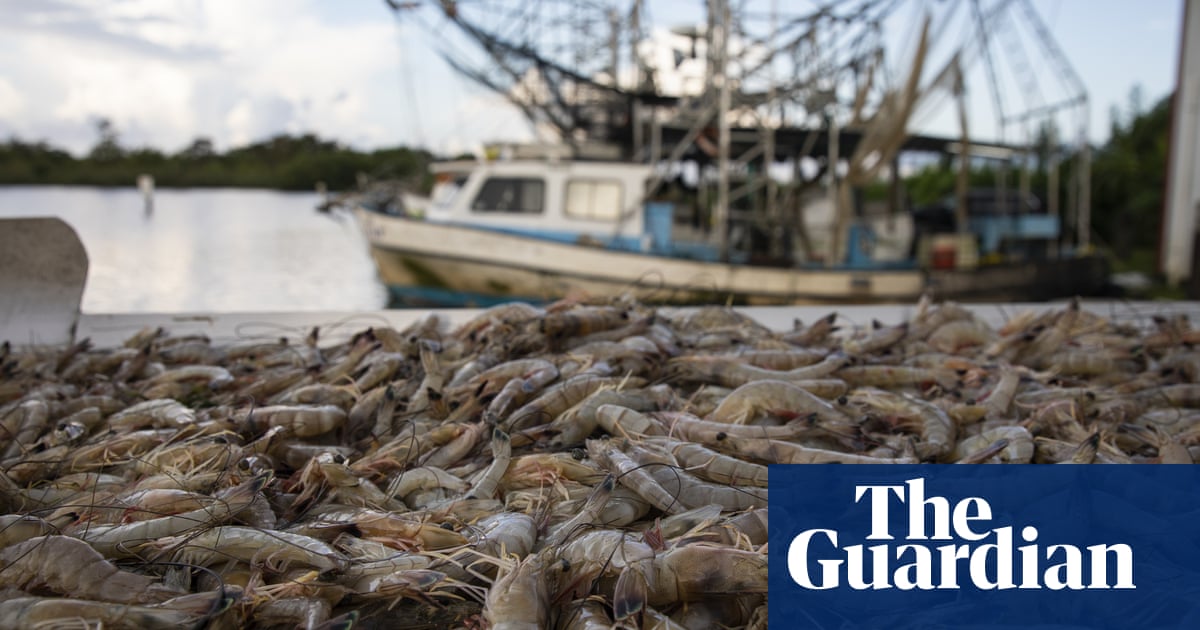
The US shrimp industry, particularly in Louisiana, is facing significant challenges due to a surge in cheaper imported shrimp, primarily from aquaculture farms in Asia and South America, which account for over 90% of US shrimp imports. While some shrimpers are optimistic about potential benefits from tariffs, particularly those imposed by the Trump administration, economists caution that broad-based tariffs may not be the most effective solution and could reduce overall demand, potentially harming domestic shrimpers; moreover, some industry participants believe consolidation among processors and distributors is a key factor suppressing dockside prices, irrespective of tariffs.
The U.S. shrimp industry, particularly in key regions like Louisiana which supplied an estimated 72 million pounds in 2023, faces severe existential threats primarily from a massive influx of cheaper imported shrimp, predominantly from aquaculture farms in Asia and South America; these imports accounted for approximately 1.5 billion pounds in 2023, over 90% of U.S. shrimp imports and more than 20 times Louisiana's output. This competitive pressure is exacerbated by a confluence of factors including post-pandemic demand and price reductions, over half a billion dollars in losses to Louisiana's seafood industry from devastating hurricanes since 2020, and increased operational costs such as higher diesel prices following Russia's invasion of Ukraine. Proposed tariffs, such as those by the Trump administration, have garnered mixed reactions: some domestic shrimpers express optimism for price relief, while others, like Sandy Nguyen, and economists like Martin Smith, caution that broad-based tariffs may not be effective, potentially increasing input costs for shrimpers (e.g., rope, steel, nets) or reducing overall consumer demand if shrimp becomes a luxury item. Smith notes that existing anti-dumping and countervailing duties were already showing modest improvements in ex-vessel prices. A critical structural issue compounding the industry's woes is the consolidation among processors and wholesale distributors, which reportedly suppresses dockside prices for shrimpers, creating a significant disconnect where shrimper revenues collapsed between 2021 and 2023 while consumer retail prices for shrimp reached record highs. This situation reflects a strongly negative sentiment and pessimistic outlook for domestic shrimpers, who feel squeezed at the bottom of the value chain.
AI-powered research, real-time alerts, and portfolio analytics for institutional investors.
Request DemoOverall Sentiment
strongly negative
Sentiment Score
-0.70
