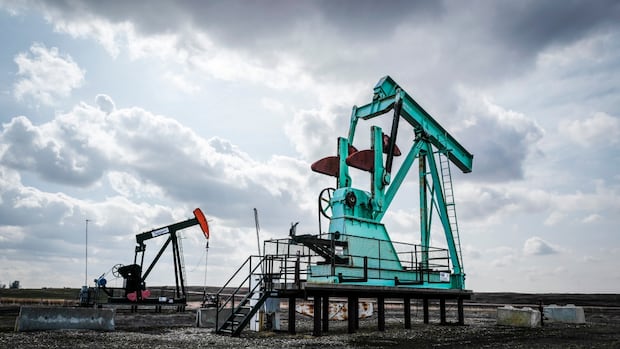
A new international report indicates that major fossil fuel-producing nations, including Canada, are projected to exceed Paris Agreement 1.5-degree warming targets by 120% in 2030 fossil fuel production, widening the gap from prior assessments. Canada, a top-four global oil producer, is planning significant output increases while simultaneously rolling back key domestic climate policies, such as repealing carbon pricing and pausing EV mandates. This trajectory suggests escalating future costs for climate mitigation and further lock-in of carbon-intensive infrastructure, despite accelerating advancements in clean energy technologies.
A new Production Gap Report reveals a significant and widening divergence between the fossil fuel production plans of major producing nations and Paris Agreement climate targets. Collectively, countries are projected to produce 120% more fossil fuels in 2030 than is compatible with limiting warming to 1.5 degrees Celsius, with the largest production gaps in coal (500% above the pathway), natural gas (92%), and oil (31%). Canada is highlighted as a key contributor to this trend, ranking among the top five nations for planned oil production increases by 2030. This expansion coincides with a notable rollback of Canadian climate policy, including the repeal of the consumer carbon price, a pause on the EV sales mandate, and uncertainty surrounding a federal emissions cap for the oil and gas sector. The report warns that this trajectory locks in carbon-intensive infrastructure, such as the Trans Mountain pipeline, and will necessitate steeper and more costly emission reductions in the future. In stark contrast, the analysis also notes that clean energy technologies like solar, batteries, and EVs are experiencing record deployment and rapid cost declines, positioning them as the cheapest source of new electricity in many regions.
AI-powered research, real-time alerts, and portfolio analytics for institutional investors.
Overall Sentiment
strongly negative
Sentiment Score
-0.65
