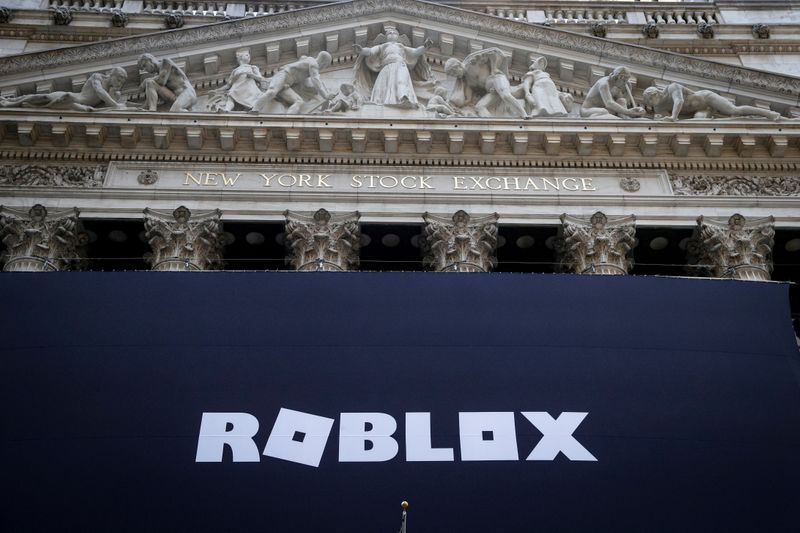
Gregory Baszucki sold 16,666 RBLX shares on Apr 1 for approximately $965,840 under a Rule 10b5-1 plan; shares are at $60.11, up 15% over the past week but down 51% over six months. Analysts remain constructive but varied: BofA reiterated Buy with a $165 PT, BTIG cut its PT to $122 citing a Russian ban expected to remove ~7M European users, and Raymond James reiterated Outperform with a $100 PT. Roblox will start taking a share of revenue from game sponsorships effective May 4 and launched two creator programs (Roblox Incubator, Roblox Jumpstart) to support older-user content, measures that could aid monetization but may pressure developer economics.
The company’s shift in platform monetization is a classic two-sided market lever: raising the platform take-rate increases short-term revenue per transaction but deteriorates creator economics, which are the marginal supply for engagement. Expect a demand-supply feedback loop where the platform must either raise UA spend or provide explicit subsidies to maintain the same content throughput; absent that spending the net margin uplift will be transient as top creators reallocate effort to higher-yield outlets.
Concentration and regulatory friction remain asymmetric risk multipliers. When a material share of engagement comes from a handful of markets, any additional regulatory or policy-driven user loss compounds booking shortfalls and puts pressure on forward guidance — this is a headline-sensitive beta that will show up in intra-quarter stock volatility and in stretched implied vols.
Competitors with lower take-rates or superior developer tooling are the natural beneficiaries of creator dissatisfaction; however, switching costs (engine compatibility, social graphs, and monetization maturity) make migration gradual, creating a 6–18 month window for management to prove the net benefit to creators. The new creator programs can work as a bridging mechanism, but they require upfront spend that will depress free cash flow in the next 2–4 quarters even if they succeed long term.
For re-rating to stick, two things must happen: (1) demonstrable stabilization or growth in paying user monetization without meaningful creator attrition within 12 months, and (2) transparent, improving LTV/CAC metrics that convince multiple discretionary buyers to restore a premium multiple. Failure on either front keeps valuation vulnerable to multiple compression.
AI-powered research, real-time alerts, and portfolio analytics for institutional investors.
Request DemoOverall Sentiment
mixed
Sentiment Score
0.05
Ticker Sentiment
