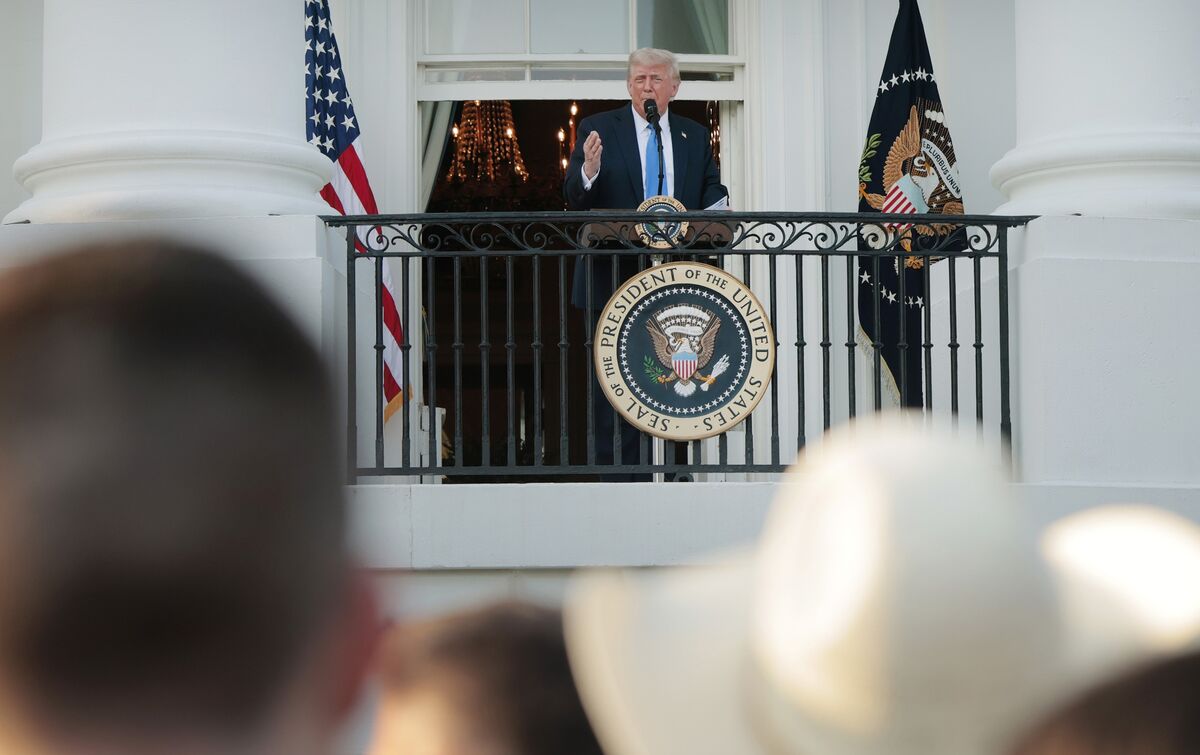
The U.S. Senate has passed a $3.3 trillion domestic policy bill, marking a significant legislative victory for President Trump. This comprehensive package extends existing tax breaks while funding key campaign pledges, including the border wall and a no-tax-on-tips initiative. Expected to be signed into law this week, the bill carries substantial fiscal implications and represents a notable legislative achievement for an administration that has predominantly relied on executive action.
The U.S. Senate's passage of a $3.3 trillion domestic policy bill represents a significant fiscal event and a key legislative victory for the Trump administration. The package solidifies several policy cornerstones, most notably by extending existing tax breaks, which provides a degree of certainty for corporate financial planning. In addition to funding politically sensitive projects like the border wall, the bill introduces a 'no-tax-on-tips' measure, a micro-policy with the potential to directly influence disposable income for service sector employees. The market's reaction, characterized by a 'moderately positive' sentiment and a 'moderate' impact score, suggests that investors view the pro-growth elements, like the tax break extensions, favorably, while likely weighing the long-term fiscal implications of such a substantial spending package. This legislative success marks a notable achievement for an administration that has historically favored executive actions.
AI-powered research, real-time alerts, and portfolio analytics for institutional investors.
Request DemoOverall Sentiment
moderately positive
Sentiment Score
0.40
