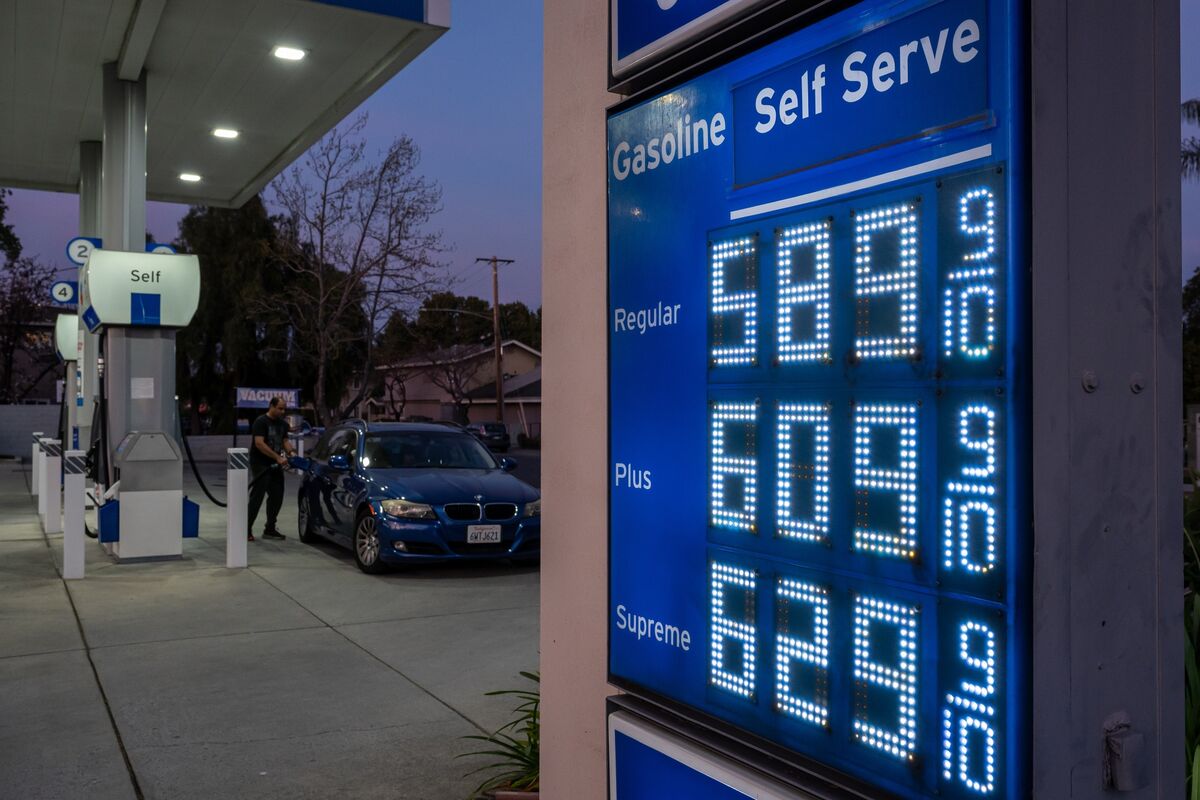
Surging gasoline prices after a recent U.S. attack on Iran have prompted Vice President JD Vance and other Trump administration officials to meet with oil executives Thursday at the American Petroleum Institute to seek ways to tame fuel costs. The session will involve API board members and signals heightened policy attention to energy market disruption and its inflationary/consumer-impact risks, creating near-term volatility for oil & gasoline markets.
The White House convening with industry officials signals a shift from pure market solutions toward tactical, politically-driven supply interventions that can move product flows faster than upstream production responses. Administratively nudging refiners to prioritize domestic gasoline or slow exports could plausibly re-route 0.5–1.0M bpd of finished products into the US market within 2–6 weeks, materially easing near-term RBOB crack spreads even if crude stays elevated. Competitive dynamics favor vertically integrated majors (XOM, CVX) that can absorb downstream margin compression via upstream cash flow, while independent, export-oriented refiners (PBF, VLO, MPC) are asymmetric risk-bearers: forced domestic prioritization or mandated discounting could shave 15–30% off short-term downstream EBITDA for the most exposed players. Midstream owners of export terminals and blending assets (MPLX, PAA) face volume-reallocation risk and potential political scrutiny, creating idiosyncratic basis moves between Gulf and inland hubs. The largest tail is geopolitical escalation: a flare-up could push Brent $10–20 higher inside days, reversing any administrative repricing and favoring upstream equities and long-gasoline futures. Conversely, a coordinated industry response combined with a measured SPR release or temporary export curbs could depress headline crude by $5–10 over 4–8 weeks and compress refining margins persistently until exports normalize. Watch congressional/public optics and refinery utilization stats for rapid signalling of policy permanence versus short-term PR moves.
AI-powered research, real-time alerts, and portfolio analytics for institutional investors.
Overall Sentiment
mildly negative
Sentiment Score
-0.25
