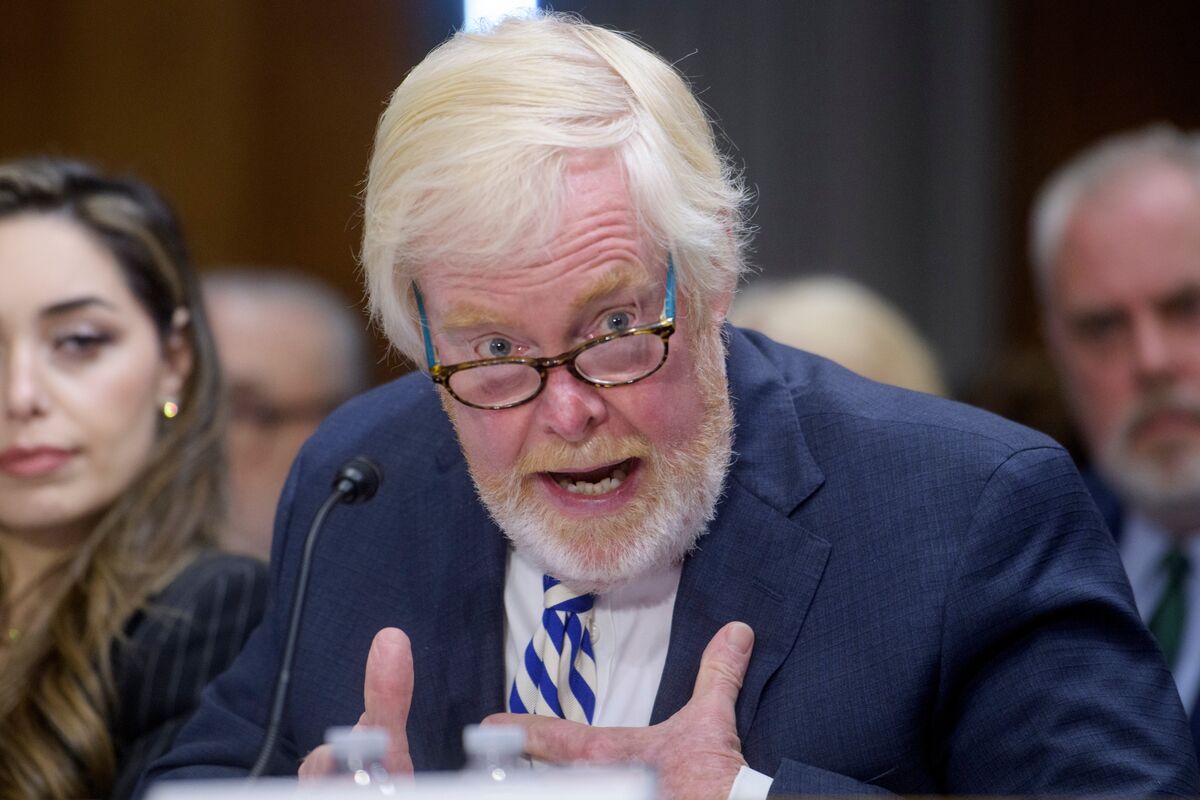
US ambassador to South Africa Leo Brent Bozell warned that President Trump is running out of patience with Pretoria over its failure to address Washington's demands, citing lack of clarity on the anti-apartheid 'Kill the Boer' chant (seen by the US as hate speech) and a foreign policy viewed as harmful to bilateral relations. The comments raise diplomatic strain and could modestly increase political risk for South Africa, potentially weighing on investor sentiment unless Pretoria provides clearer policy responses.
Near-term market mechanics: diplomatic tension tends to manifest first in capital flows and currency moves rather than immediate trade sanctions. A modest increase in political risk premium can push USD/ZAR ~5-10% weaker within 1-3 months, which mechanically boosts rand‑reported cash flow for commodity exporters while compressing margins for importers, lenders with FX exposure, and corporates carrying hard‑currency debt. Expect volatility spikes in SA sovereign spreads and local bond yields as non‑resident positions are re‑priced.
Second‑order industry effects: PGM and broad metal producers get a double tailwind from weaker ZAR and a likely tactical shift of international buyers toward spot purchases, improving local revenues even without a commodity price move; conversely domestic financials and consumer credit operators face rising NPL risk and margin pressure if inflation/import costs pick up. Supply‑chain dislocations are more likely in energy and capital goods that are dollar‑priced — expect delayed capex and slower equipment imports, which will depress industrials and construction demand over 3–9 months.
Risk, catalysts and reversal paths: the primary catalysts are (1) a visible hardening of US policy (weeks–months), (2) clarity or remediation from Pretoria (days–weeks) and (3) a sovereign rating action or large portfolio outflow (1–3 months) that forces mark‑to‑market selling. Tail risk is a credit shock that widens ZAR sovereign CDS by 100–200bps and knocks local bond markets, but the move can reverse quickly if diplomacy produces concrete concessions or if commodity cyclicality reasserts itself; mean reversion windows are often 3–12 months, not weeks. The consensus is pricing a one‑way deterioration; that overstates the probability of lasting sanctions but understates short term liquidity stress.
AI-powered research, real-time alerts, and portfolio analytics for institutional investors.
Request DemoOverall Sentiment
mildly negative
Sentiment Score
-0.25
