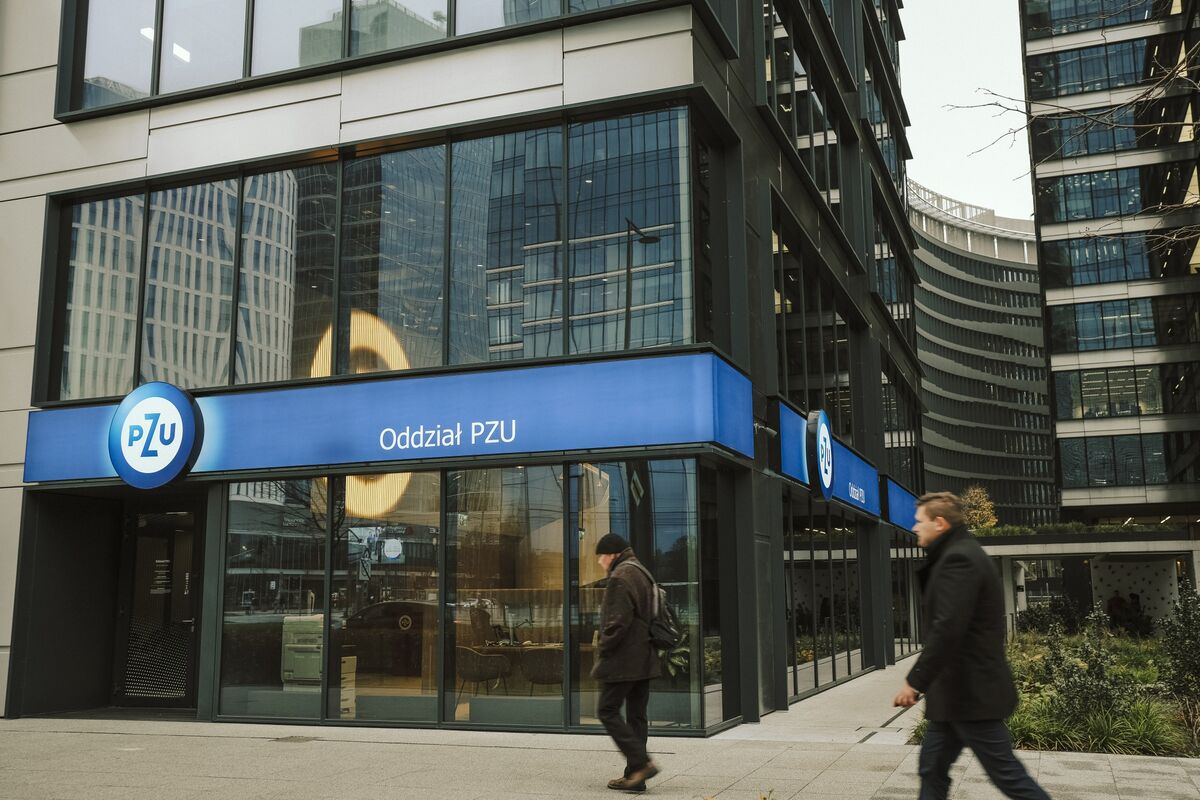
Polish insurer PZU SA plans to establish a new fund with 20 billion zloty ($5.5 billion) in capital freed up from its merger with Bank Pekao SA. Led by CEO Andrzej Klesyk, this fund aims to finance significant Polish energy and infrastructure projects while also attracting crucial foreign investment, including from sovereign wealth funds. This strategic initiative positions the state-controlled insurer as a key facilitator for national development and a potential magnet for international capital in Poland's strategic sectors.
Polish insurer PZU SA is strategically repositioning itself to become a central financing vehicle for Poland's national development projects following its merger with Bank Pekao SA. The plan, articulated by CEO Andrzej Klesyk, involves channeling a portion of the expected 20 billion zloty ($5.5 billion) in capital released from the merger into a dedicated fund. This new entity will have a dual mandate: to provide seed funding for large-scale domestic energy and infrastructure initiatives and to act as a catalyst to attract foreign capital, specifically targeting sovereign wealth funds. This move leverages the synergies from the consolidation of the two state-controlled firms to create a powerful investment platform, effectively transforming PZU from a traditional insurer into a key player in private markets and national industrial strategy.
AI-powered research, real-time alerts, and portfolio analytics for institutional investors.
Request DemoOverall Sentiment
moderately positive
Sentiment Score
0.65
